
Khartoum Locality Launches Buri Al-Mahas Social Center and Mobile Community Protection Program
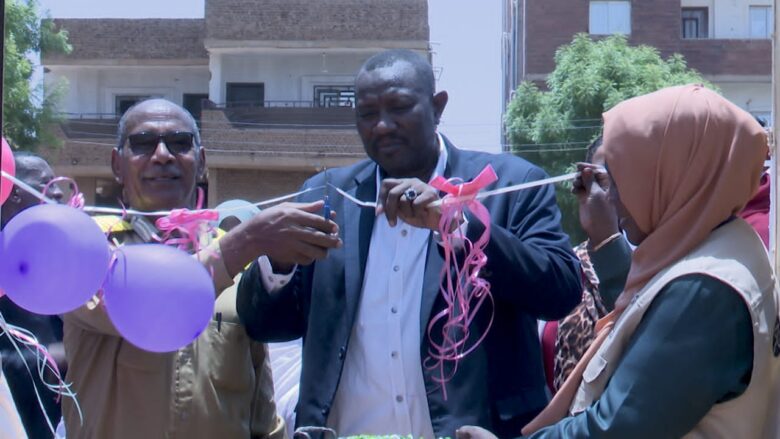
Under the patronage of Siddig Hassan Fraini, Acting Minister of Social Development of Khartoum State, and in the presence of Abdel Moneim Ahmed Al-Bashir, Executive Director of Khartoum Locality, the locality witnessed a broad social initiative through two parallel tracks aimed at strengthening social protection and empowering communities.
Inauguration of the Buri Al-Mahas Social Center
The Buri Al-Mahas Social Center was inaugurated through a strategic partnership with the French humanitarian organization ACTED.
Fraini emphasized that the center represents a cornerstone in expanding the social safety net, providing psychosocial support, and building the capacities of vulnerable families. Meanwhile, Mona Abdallah Al-Faki, Director of Social Development in Khartoum Locality, highlighted the center’s role in transforming beneficiary families from aid recipients into productive contributors.
For her part, Mona Qurashi, Deputy Program Manager at ACTED, explained that the center will provide counseling services, training opportunities for women and youth, and promote the values of social solidarity and community cohesion.
As part of the same day’s activities, the Ministry launched a mobile social protection and community awareness program in the Al-Deim area of Khartoum Locality, in coordination with the United Nations High Commissioner for Refugees (UNHCR).
The initiative aims to deliver awareness-raising activities, strengthen community safety networks, and provide social and legal support to the most vulnerable groups through mobile outreach centers.
Emtinan Osman Khamis, Director of the Social Development and Poverty Reduction Department, explained that the mobile centers are designed to overcome geographical barriers by bringing protection and awareness services directly to communities, making services more accessible while reducing the burden on beneficiaries.
She further noted that the program prioritizes vulnerable groups—particularly women, children, and older persons—by providing them with the legal, social, and psychosocial support they need amid the exceptional circumstances currently facing Khartoum State.