
Robotic Talk: Fast Food!
By: Alaa Babiker
Convenience, Culture, and Health Implications
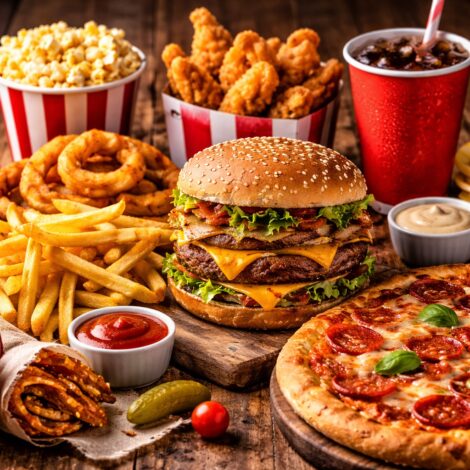
Fast food has become an integral part of modern life, offering quick, affordable, and easily accessible meals for people with busy schedules. From burgers and fries to pizzas and fried chicken, fast food is widely popular across the world. While it provides convenience and satisfies cravings, its impact on health and lifestyle is a topic of growing concern.
The Rise of Fast Food Culture
The popularity of fast food is closely linked to changing lifestyles. As people juggle work, family, and social commitments, the demand for quick meal options has increased. Fast food restaurants provide a solution by offering ready-to-eat meals that save time and effort.
In addition, aggressive marketing, attractive pricing, and consistent taste have made fast food especially appealing to younger generations. It has also become a social experience, where friends and families gather to enjoy meals together in a casual setting.
Convenience and Affordability
One of the biggest advantages of fast food is convenience. Meals are prepared quickly, require no cooking, and are available almost everywhere. For individuals with limited time or cooking skills, fast food offers an easy alternative.
Affordability is another factor. Many fast food options are priced lower than meals at traditional restaurants, making them accessible to a wide range of people. This accessibility contributes to its widespread consumption across different communities.
Health Concerns
Despite its convenience, frequent consumption of fast food can have negative effects on health. Many fast food items are high in calories, unhealthy fats, sugar, and salt. Regular intake of such foods can lead to weight gain, obesity, and an increased risk of chronic conditions such as heart disease and type 2 diabetes.
Fast food often lacks essential nutrients like vitamins, minerals, and fiber, which are necessary for maintaining good health. Over time, relying heavily on fast food can result in poor dietary habits and nutritional imbalances.
Moving Toward Healthier Choices
In response to growing health awareness, many fast food chains are now offering healthier alternatives, including salads, fruit options, and low-calorie meals. Consumers are also becoming more conscious of their food choices, seeking balance rather than complete avoidance.
Preparing meals at home, planning ahead, and incorporating fresh, whole foods into daily diets are effective ways to maintain a healthy lifestyle while still enjoying occasional fast food.
Fast food is a reflection of modern living – fast, convenient, and accessible. While it offers clear benefits in terms of time and cost, its health implications cannot be ignored. The key lies in balance and awareness. By making informed choices and practicing moderation, individuals can enjoy the convenience of fast food without compromising their long-term health and well-being.