
SAPA Restores Hope: A Comprehensive Plan to Rebuild Sudan’s Health System
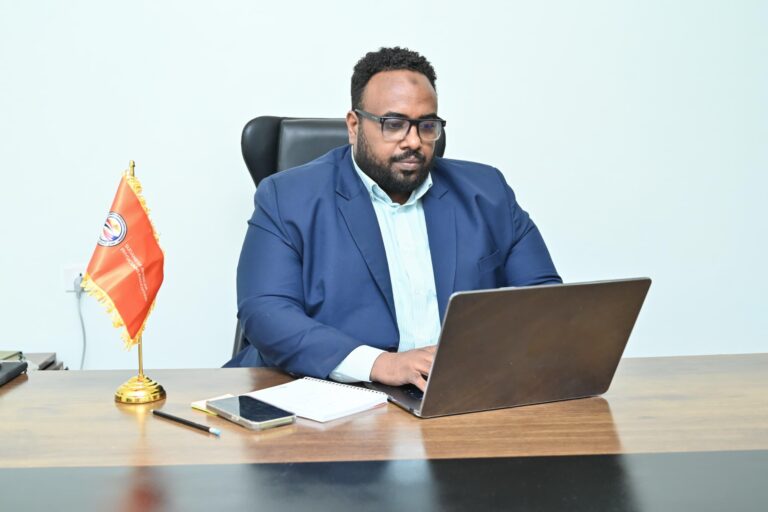
In a press statement, Dr. Faisal Ahmed Al-Nour, Country Director of the Sudanese American Physicians Association (SAPA), revealed a strategic vision aimed at rebuilding and rehabilitating all health institutions in Sudan. This initiative is part of the organization’s efforts to strengthen the country’s health system, especially given the exceptional circumstances it is facing.
Dr. Al-Nour explained that SAPA began its work in Sudan in 2019, coinciding with the COVID-19 pandemic, providing direct support to the Federal Ministry of Health by supplying oxygen and urgent medical needs. With the outbreak of war on April 15, 2023, the organization intensified its humanitarian interventions, particularly in Khartoum State, where it supported Al-Naw, Saudi, and Al-Buluk Children’s Hospitals, which had ceased operations due to the departure of medical staff. SAPA provided women’s health and obstetrics services, performed free surgeries, and rented and fully equipped Al-Nada Hospital to provide free services until September of that year.
In June of the same year, SAPA established its first office in Gezira State in Wad Madani, where it set up a hospital specifically for displaced persons and provided free services, including fixed and mobile clinics. With the militias’ takeover of Wad Madani, the organization relocated to Port Sudan and expanded its services to include Khartoum, Gedarif, and Gezira states.
Dr. Al-Nour noted that SAPA transitioned from providing direct services to supporting the health system through partnerships with the Federal Ministry of Health and state ministries, in collaboration with UN agencies such as UNICEF and the World Health Organization. These efforts included funding ministry activities, training and developing medical personnel, and providing health services in Sennar, White Nile, Gedarif, and Red Sea states.
He emphasized that SAPA is one of the few organizations working in the development field alongside humanitarian work. Its interventions are not limited to providing services or supporting staff, but also include rehabilitating hospitals and improving their working environment, as was the case in Al-Buluk, Al-Fath, and Al-Shaheed hospitals, and other facilities that were under siege.