
More Dangerous Than a Flood
By: Mohammed Ahmed Al-Filabi
(Environmental Affairs Specialist)
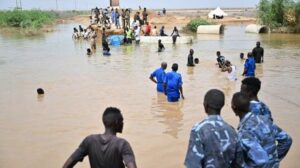
On this day in 2024, heavy rains in Sudan caused destruction to several vital facilities, including the Arbaat Dam (40 kilometers north of Port Sudan). The death toll exceeded hundreds, while the number of affected families rose to more than 31,000 within a few days, comprising approximately 130,000 people.
Floods swept through ten of Sudan’s 18 states, with some areas still unrecognizable due to the destruction. The floods also destroyed water pipes and electricity poles in many areas, leaving residents in darkness and suffering from thirst, especially in Port Sudan, where the collapsed dam is the main source of water. Port Sudan also houses the country’s main port and only functioning airport, through which most of the much-needed aid shipments arrive amid escalating war and displacement.
At the time, the United Nations Office for the Coordination of Humanitarian Affairs (OCHA) expressed grave concern, noting that the floods could significantly hinder access to affected areas, making it more difficult to deliver essential supplies to those in need. Sudan is experiencing a severe shortage of humanitarian funding, limiting organizations’ ability to pre-position vital supplies, further exacerbating the situation, especially given that nearly half a million people were affected by floods last year.
The rainy and flooding season typically extends throughout the country until October of each year. In the absence of monitoring and reporting services, the loss of life this year could exceed that of last year, coupled with widespread hunger and disease. Sudan is showing clear signs of vulnerability to climate change.
According to the Global Adaptation Initiative at the University of Notre Dame, Sudan ranks eighth in vulnerability to climate change out of 185 countries worldwide, and 175th in preparedness. This indicates major challenges and an urgent need for action.
Sudan scores high in vulnerability and low in preparedness, which hinders the ability to achieve food security or sustainable development, even in the absence of the current conflict. It also hinders the degradation of the country’s ecosystems, depletes its natural resources, and impedes the country’s ability to address poverty and inequality, before confronting natural disasters.
Although the fear of flooding remains, there is nothing left in Sudan that hasn’t been drowned in blood or water. People are powerless to cope, given officials’ preoccupation with war and the rampant chaos. May God be with you, my country.