
Former Kenyan Deputy President Demands Ruto Publicly Respond to Multiple Allegations Linking His Administration to the War in Sudan
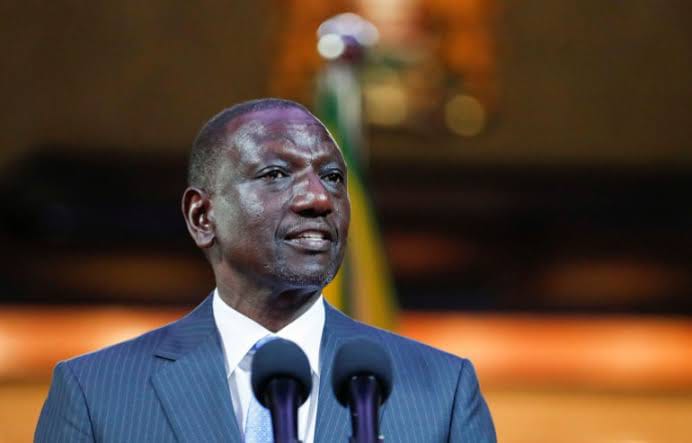
Former Kenyan Deputy President and leader of the Citizens’ Democracy Party, Regate Gatshagwa, has demanded that President William Ruto publicly respond to allegations linking his administration to the war in Sudan. He challenged Ruto to clarify the claims surrounding the ownership of De La Rue, a company specializing in currency printing. Gatshagwa also raised other issues, such as Sudanese gold and the issuance of Kenyan diplomatic passports to Rapid Support Forces commanders, suggesting that widespread counterfeiting of Sudanese currency may have occurred.
The Kenyan newspaper The Standard published an article on July 27th titled “Gatchagwa Challenges Ruto to Clarify His Interests in Sudan,” in which former Kenyan Deputy President and leader of the Citizens’ Democracy Party, Regati Gatchagwa, challenged Prime Minister William Ruto to publicly respond to accusations linking his administration to the war in Sudan and to clarify claims surrounding the ownership of De La Rue, a company specializing in printing currency.
According to the Kenyan newspaper, Gatchagwa stated during a speech at a church service in the Kyo New area of Meru County that Kenya is being used as a conduit for smuggling gold from war-torn Sudan and that the government is facilitating the transfer of weapons to the Rapid Support Forces militia. He also accused Kenyan Interior Minister Kipchumba Murkumina of issuing diplomatic passports to individuals he described as “war criminals.”
Gatchagwa demanded that President Ruto clarify whether he had purchased De La Rue through intermediaries, urging him to reassure Kenyans about the company’s use before the upcoming general election. He stated, “We want Ruto to confirm whether he bought De La Rue and to assure Kenyans that he will not print money for election purposes.”
He added that Kenyans fear a repeat of the 1992 election experience, noting that printing large quantities of money at that time contributed to high inflation.
The Kenyan leader expressed surprise that Kenya had become “a major exporter of gold despite its limited domestic production,” suggesting that the precious metal was being imported from Sudan and then exported as Kenyan gold.