
Ed Daein University Steps Up Digital Transformation and Academic Development
Kosti /
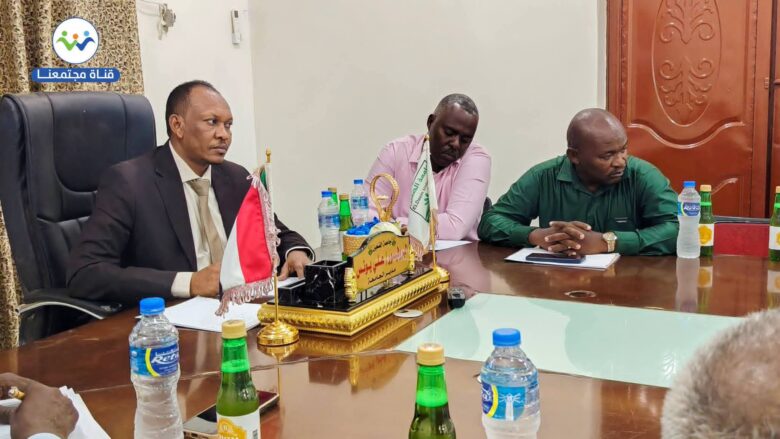
The Deans’ Council of the University of Ed Daein held its third meeting for the year 2026 in Kosti, White Nile State, chaired by the University Vice-Chancellor, Professor Ali Younis Breima Juma, with the participation of the University Registrar, Dr. Yahya Al-Haj Musa Abdullah, the Secretary of Academic Affairs, Dr. Abdullah Abdelkarim Abdullah Adam, the Director of the University Center in White Nile State and Dean of Distance Education, Dr. Osama Hussein Mohamed Yousif, in addition to college deans and directors of administrative units.
The Council reviewed performance reports from various colleges and administrative units and discussed the progress of academic and administrative activities, the implementation of educational and research plans and programmes, and community service initiatives. It also addressed challenges affecting performance and explored solutions to improve efficiency and advance the university’s work.
The Council reaffirmed the university’s commitment to the approved academic calendar and reviewed the progress of studies and the delivery of lectures according to the scheduled timelines. It reiterated its commitment to completing the current academic year on time, ensuring the stability of the educational process and safeguarding students’ rights.
The meeting also discussed a number of strategic issues, including the development of the educational environment, improving the quality of academic programmes, strengthening scientific research and publication, and monitoring the implementation of the university’s strategic plan to achieve its institutional objectives.
Regarding digital transformation, the Council reviewed progress on the electronic archiving project for university files and records, stressing the importance of completing the required technological infrastructure to secure data and enhance electronic services.
The University Vice-Chancellor affirmed the administration’s commitment to providing the necessary equipment and technologies to improve academic and administrative efficiency, support institutional governance, e-learning, and scientific research.
The Council also placed emphasis on human resource development, highlighting the importance of internal and external training and capacity-building programmes, as well as strengthening academic partnerships that contribute to improving the skills and professional and scientific capabilities of university staff.
The Council further stressed the importance of securing the university’s databases and preserving academic and administrative records to ensure information integrity and continuity of institutional operations.
The University Vice-Chancellor praised the efforts of college deans, faculty members, and staff at university centres, commending their role in maintaining the stability and continuity of the educational process despite the existing challenges.
At the conclusion of the meeting, the Council approved the performance reports after incorporating the required observations and directed the acceleration of the completion of the digital transformation and electronic archiving project, strengthening quality assurance, evaluation, and academic accreditation programmes, supporting scientific research and publication, and expanding academic and research partnerships.
The Council also reaffirmed the importance of adhering to the academic calendar and developing the academic and administrative work environment in a manner that enhances performance efficiency and improves the quality of the university’s outputs.
The Deans’ Council confirmed its continued commitment to teamwork in achieving the university’s objectives, strengthening its role in community service, and contributing to national development efforts.