
Beyond Addiction: Healing Sudan’s Wounds and Protecting Its Youth
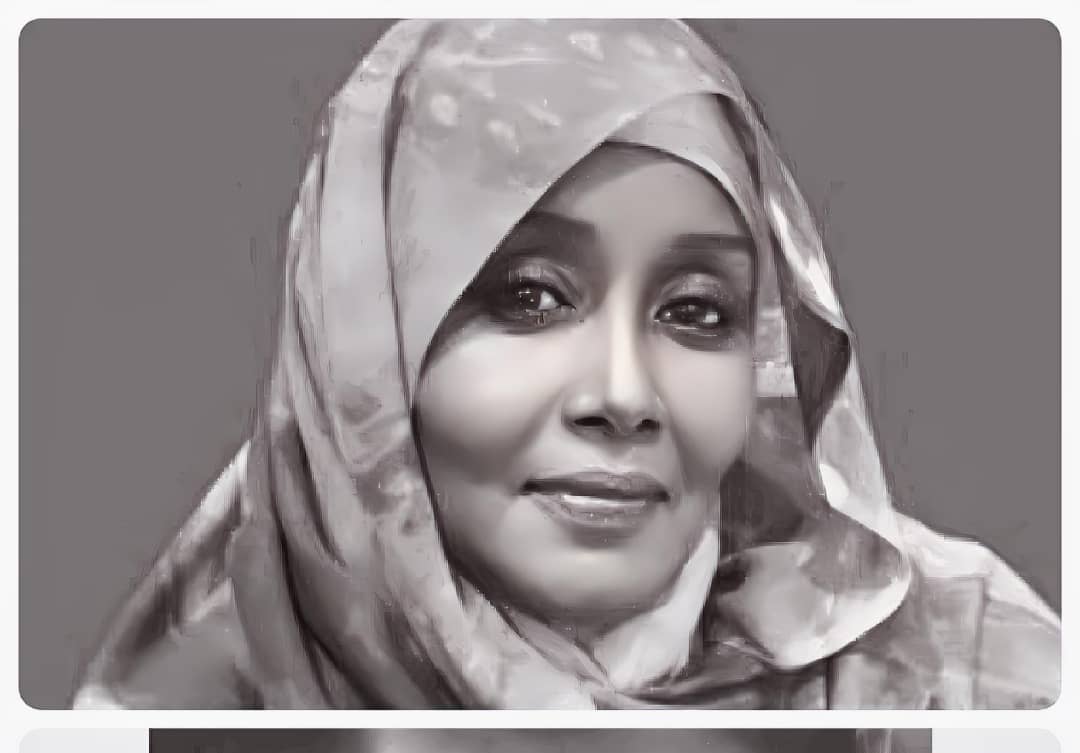
By: Haffiya Elyas
Addiction is more than a personal struggle. It is a public health challenge, a social concern and, increasingly, a test of how societies protect their most vulnerable members. In Sudan, where war has disrupted lives, displaced families and placed enormous pressure on communities, addressing addiction has become more urgent than ever.
Against this backdrop, Khartoum State is preparing to host the Ninth International Conference on Addiction Treatment and Rehabilitation Challenges in the Arab, Islamic and African Worlds, scheduled for November 3–6, 2026, at Omdurman Ahlia University. Organised by the National Bet Makli Organization under the theme “Addiction Treatment Challenges in the Age of Globalization and the Digital Revolution: Protecting Youth,” the conference comes at a critical moment for Sudanese society.
The timing matters. War does not leave its consequences on battlefields alone. Its effects reach homes, schools, workplaces and the inner lives of individuals struggling to cope with fear, grief, uncertainty and loss. Under such circumstances, some people may become more vulnerable to substance abuse and other addictive behaviours, making prevention, early intervention and accessible treatment essential.
Young people deserve particular attention. They are navigating a world shaped by conflict, economic hardship, rapid technological change and uncertain prospects for the future. Without adequate support, guidance and opportunities, some may turn to harmful coping mechanisms.
Protecting them requires more than warnings about the dangers of drugs and other addictive behaviours. It requires safe environments, mental health support, meaningful education, recreational activities and realistic opportunities to rebuild their lives.
The challenge is also changing. Addiction is no longer discussed solely in terms of alcohol and drug abuse. Excessive internet use, pornography, compulsive shopping and gambling are among the behaviours that feature in contemporary discussions of addiction and its effects on individuals and families. The digital revolution has created new opportunities for learning and communication, but it has also introduced risks that demand informed public awareness and appropriate responses.
This is why the upcoming conference should be viewed as more than a scientific gathering. It offers an opportunity to connect research with practical solutions, bringing together specialists, families, educational institutions, media professionals, civil society organisations and policymakers around a shared responsibility.
Families, in particular, have a crucial role to play. Early signs of addiction can be overlooked, misunderstood or met with anger and blame. Yet stigma and social isolation can make it harder for people to seek help. Families need reliable information and professional guidance to recognise warning signs, encourage treatment and support recovery without humiliating those affected.
Treatment, however, cannot end when a person leaves a rehabilitation centre. Recovery is a continuing process that often requires psychological support, family involvement, follow-up care and opportunities to return to education, employment and community life. Without these foundations, the risk of relapse may increase, while individuals who have made progress can find themselves struggling to regain their place in society.
Sudan must therefore move towards a more comprehensive approach that links prevention, treatment, rehabilitation and aftercare. This means strengthening specialised institutions, improving public awareness, supporting evidence-based interventions and expanding cooperation between government bodies and community organisations. It also means recognising that addiction is a health and social issue that requires informed, compassionate and sustained action.
The role of media is equally important. Responsible reporting and public education can challenge misconceptions, encourage people to seek help and remind communities that recovery is possible. Media coverage should avoid sensationalism and the language of shame, focusing instead on prevention, available support and the human realities behind addiction.
The conference programme, which includes awareness, cultural and sporting activities, reflects the importance of engaging communities beyond conference halls. The Fifth Annual Recovery Marathon, alongside cultural evenings in Khartoum State, provides an opportunity to promote solidarity, celebrate recovery and encourage public participation in the fight against addiction.
Ultimately, the success of this gathering will not be measured only by the number of papers presented or recommendations adopted. Its real value will depend on whether those recommendations translate into accessible services, stronger partnerships, better-informed families and meaningful support for young people and those seeking recovery.
As Sudan works towards rebuilding its institutions and healing the wounds of war, protecting young people must remain a national priority. No society can afford to lose the potential of its youth to preventable harm, untreated trauma or the absence of adequate support.
The message behind the conference motto, “Together Towards a Healthy Society,” is therefore both timely and necessary. Addiction cannot be addressed by individuals or specialised institutions alone. It demands a collective response grounded in knowledge, compassion, responsibility and hope.
Healing Sudan requires more than rebuilding what war has destroyed. It requires protecting lives, restoring dignity and ensuring that every person struggling with addiction has a genuine opportunity to recover, rebuild and belong.