
UN Report: External Supply Networks Boosted Rapid Support Forces’ Military Capabilities
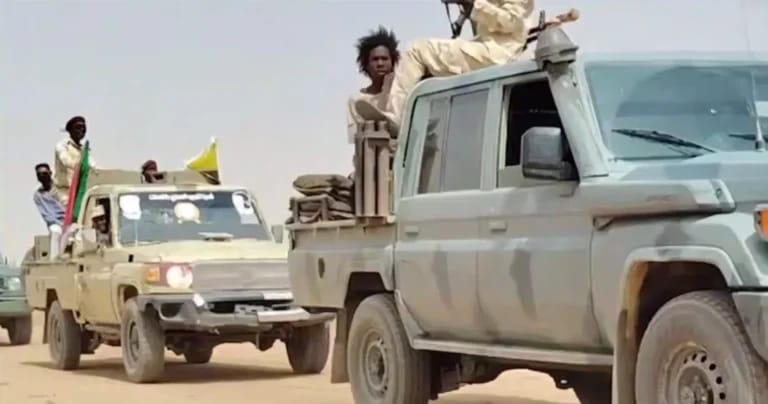
A new United Nations report has brought the issue of crimes in Sudan back to the forefront of international attention, broadening the scope of political and legal pressure related to the widespread violations committed by the Rapid Support Forces (RSF) militias and increasing scrutiny of external support networks, particularly those from the United Arab Emirates.
The UN report documented a wide range of serious violations, including rape, gang rape, sexual slavery, torture, cruel treatment, ethnic targeting, forced displacement, and systematic attacks against civilians. It confirmed that the RSF and allied militias are responsible for the vast majority of verified incidents of conflict-related sexual violence.
The report concluded that there are reasonable grounds to believe these violations may amount to war crimes, and in some cases, crimes against humanity. It noted that sexual violence was systematically used as a weapon of war in organized operations targeting women and girls in several areas, particularly in the Darfur region.
The significance of the UN findings extends beyond simply documenting field crimes. They also raise questions about the entities that enabled the Rapid Support Forces (RSF) to continue their military operations, whether through funding, arming, logistical support, or providing supply lines.
The report indicated that crimes of this scale could not persist for years without external networks providing weapons, ammunition, transportation, logistical support, and political cover. It argued that this reality makes the Sudan situation even more embarrassing for the UAE, which has faced repeated accusations from international parties and investigative reports for months of providing support to the RSF—accusations that Abu Dhabi continues to categorically deny.
The report explained that the UN findings came within the context of broader international investigations into the existence of external supply routes and regional support networks that contributed to bolstering the Rapid Support Forces’ military capabilities. These investigations included reports of supply lines through Chadian territory and clandestine logistical channels.
The UN report described the crimes committed as systematic, documenting testimonies from women and girls who were abducted and detained in conditions described as “sexual slavery.” They were bound, blindfolded, repeatedly raped, and transported from their places of detention. The report also documented the systematic ethnic targeting of the Masalit, Zaghawa, and Fur communities in Darfur.
The report emphasized that this pattern of violations reflects systematic operational planning, not isolated or random acts. This expands the scope of potential legal responsibility to include all those who contributed to enabling these forces to carry out their operations.
The crisis for the UAE is no longer limited to media accusations; it has become a challenge to its political credibility. Abu Dhabi is keen to present itself as a partner for stability and humanitarian work, while international questions are mounting about who provided support to the Rapid Support Forces (RSF) during the years of conflict.
The report noted that while the United Nations has not directly accused the UAE of war crimes, its findings have strengthened calls for expanding investigations into the external support networks surrounding the RSF. It pointed out that international criminal law allows for the prosecution of anyone proven to have provided funding, facilitation, or support, knowing it could be used to commit international crimes.
The report considered El Fasher to be one of the most sensitive cases, after the United Nations and international investigators described the violations committed there as bearing indicators that could amount to genocide, given the continued targeting of civilians, the imposition of a siege on the population, and the perpetration of widespread violence against women and girls.
The report indicated that political pressure is also mounting within Western capitals, with European governments warning against a repeat of the atrocities committed in El Fasher. Human rights investigators have accused some Western governments of hesitating to take a firmer stance due to their strategic and economic ties with Abu Dhabi.
These latest UN findings directly reinforce previous warnings that the Sudan situation has transformed into an international accountability crisis, rather than simply an internal conflict. The report emphasizes that investigations are no longer solely focused on the perpetrators of the crimes, but are increasingly targeting the networks of financing, arming, and external support.
This comes as the International Criminal Court continues its investigations into crimes committed in Sudan, while the UN Security Council has imposed sanctions on several leaders of the Rapid Support Forces. The United States has previously accused the forces of committing genocide, further complicating any future investigations into these external support networks.
The testimonies of the victims and the findings of the United Nations are placing increasing international pressure on those responsible for supporting the Rapid Support Forces, and confirming that Sudan has become one of the issues that most casts a shadow on the UAE’s international image, with continued demands to expand the investigations to include all parties that may have contributed to the continuation of the conflict.