
The Hidden Casualty of Sudan’s War: Rebuilding Families Amid Conflict
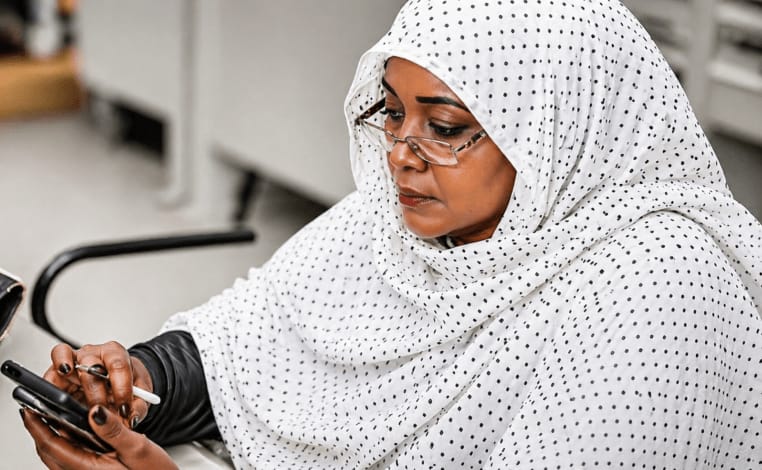
By: Haffiya A. Elyas
While Sudan’s ongoing conflict has inflicted immense physical destruction, another crisis is quietly unfolding behind closed doors—the disintegration of family life. Reports indicating that nearly 35,000 divorce cases have been registered since the outbreak of war reveal a social emergency that deserves urgent attention.
War does not only destroy buildings and infrastructure; it also strains the relationships that hold communities together. For many Sudanese families, the conflict has meant the loss of jobs, savings, homes, and livelihoods. With salaries interrupted for years and economic uncertainty becoming the norm, countless households have been pushed to the brink.
The sharp rise in divorce cases reflects the immense pressures facing couples. Men, traditionally viewed as primary providers in many Sudanese families, have found themselves unable to meet basic household needs due to displacement, unemployment, and soaring living costs. At the same time, women have been forced to shoulder increasing responsibilities while coping with insecurity, displacement, and the challenges of caring for children in difficult circumstances.
The crisis is particularly evident in states that have received large numbers of displaced families. Courts in Khartoum, Gezira, Darfur, River Nile, Northern State, Red Sea, Gedaref, and Kassala have witnessed growing numbers of divorce, alimony, and custody-related cases. These figures highlight how displacement has transformed family dynamics across the country.
Women and girls remain among the most affected. According to international estimates, they represent more than half of Sudan’s displaced population. Many have become heads of households overnight after losing contact with their husbands, being widowed, or experiencing family separation caused by the conflict. These women now carry the burden of providing food, shelter, and security for their children in environments already overwhelmed by humanitarian challenges.
The growing number of divorces should not be viewed merely as a legal statistic. It is a warning sign of deeper social fractures emerging from prolonged conflict. Family breakdown often leads to increased poverty, reduced educational opportunities for children, psychological trauma, and greater vulnerability to exploitation and violence.
Yet this crisis is not irreversible. Sudan’s recovery strategy must recognize family stability as a national priority, not merely a private concern. The protection of families should be considered as important as rebuilding roads, hospitals, and schools.
One of the most urgent steps is expanding economic support programs for vulnerable households. Many marital disputes today stem directly from financial hardship. Cash assistance programs, livelihood projects, vocational training, and small-business grants can help restore a sense of economic security and reduce tensions within households.
Equally important is investing in psychosocial support and family counseling services. Years of war, displacement, and uncertainty have left deep emotional scars. Community-based counseling centers, mobile mental health teams, and family mediation initiatives can provide couples with tools to manage stress, resolve conflicts, and prevent unnecessary family breakdown.
Special attention should also be directed toward women-headed households. These families require targeted assistance, including income-generating opportunities, childcare support, legal protection, and access to education and healthcare services. Empowering women economically and socially strengthens entire families and communities.
Religious leaders, community elders, and civil society organizations can play a critical role as well. Sudan has a long tradition of community solidarity and conflict resolution. Local initiatives that encourage dialogue, family reconciliation, and mutual support can help rebuild trust and social cohesion at the grassroots level.
Children must remain at the center of any recovery effort. The effects of divorce and family separation often fall most heavily on young people. Expanding access to education, psychosocial support, recreational activities, and child protection services can help prevent a generation of war-affected children from carrying the long-term consequences of family instability.
International donors and humanitarian organizations should also broaden their focus. Emergency aid remains essential, but sustainable recovery requires investments in social protection systems, family welfare programs, and community resilience initiatives. Humanitarian assistance should not only keep families alive—it should help keep families together.
As Sudan looks toward recovery and reconstruction, rebuilding homes and infrastructure will not be enough. The country must also rebuild the social fabric damaged by years of conflict. Strong families are the foundation of stable communities, economic recovery, and lasting peace.
The true cost of conflict cannot be measured solely in damaged cities or economic losses. It must also be measured in broken families, disrupted childhoods, and weakened social bonds. Sudan’s future recovery depends not only on ending the war but also on healing the families that have borne its heaviest burdens. Without restoring family stability, sustainable peace and development will remain difficult to achieve.