
From Pledges to Achievement: A Roadmap for Stabilizing the Sudanese Pound and Reducing the Cost of Living
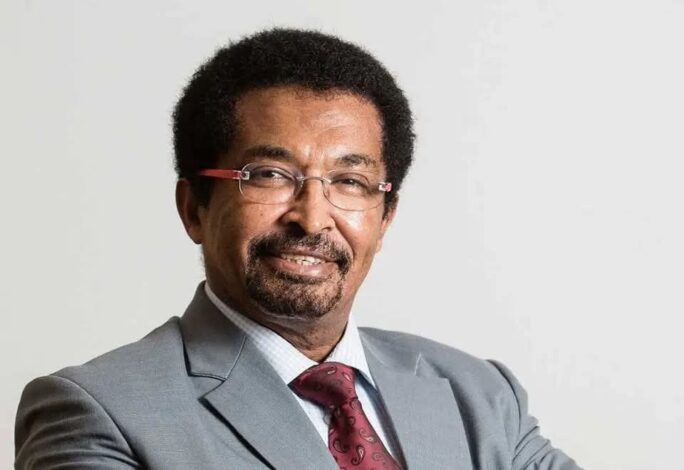
By: Professor Ahmed Al-Tijani Abdel-Rahim Al-Mansouri
The meeting of the Sovereignty Council at the Presidential Palace, chaired by Lieutenant General Abdel Fattah Al-Burhan, came at a highly sensitive time, as the country faces simultaneous economic and security challenges. Foremost among these is the continuous decline in the value of the Sudanese pound and the resulting unprecedented rise in the prices of basic commodities and the decline in citizens’ purchasing power.
The positive message that emerged from the meeting is the political and military leadership’s recognition that stabilizing the exchange rate and improving citizens’ living standards have become top priorities for the state. However, the success of these initiatives will not be measured by the number of meetings or statements issued, but rather by the government’s ability to move from the diagnostic phase to the implementation phase according to a clear economic program with specific performance indicators, defined responsibilities, and a binding timetable.
The exchange rate is not merely a monetary problem. The Prime Minister’s directives and keen interest in stabilizing the exchange rate, combating corruption and smuggling, and establishing one million profitable housing units confirm that the exchange rate is not solely a monetary issue. It is a common misconception that the exchange rate can be addressed solely through banking or security measures. International experience demonstrates that the value of a national currency ultimately reflects the strength of the real economy, the volume of production, the level of exports, and confidence in state institutions.
Therefore, stabilizing the Sudanese pound requires addressing the root causes of the problem through four integrated pillars: increasing real production; increasing foreign currency inflows; combating corruption and smuggling; and restoring the confidence of citizens and investors in the national economy.
First:
Production is the first line of defense for the pound.
The Prime Minister’s directives and keen interest in stabilizing the exchange rate, combating corruption and smuggling, and establishing one million profitable housing units place production at the forefront of the state’s priorities.
Every dollar saved through import substitution, or every pound produced locally, directly supports the national currency. Therefore, the state’s priorities should shift from an import-based economy to a production-based economy by increasing productivity, not just expanding cultivated land or livestock numbers. The goal should be: doubling the yield per acre using modern technologies, improved seeds, and scientific management; increasing cattle productivity from an average of 3–5 liters per day to higher levels on organized farms; improving the weights of sheep and goats destined for export through nutrition programs and genetic selection; and expanding agricultural and food processing to increase added value.
Every increase in production means an increase in supply, a decrease in prices, an increase in exports, and consequently, an increase in the country’s foreign currency reserves.
Second:
From Producer to Consumer Direction:
The Prime Minister’s directives and keen interest in stabilizing the exchange rate, combating corruption and smuggling, and establishing one million profitable housing units support the creation of producers’ markets. One of the main reasons for high prices is the multitude of intermediaries between farmers and consumers. Hence, the importance of establishing producers’ markets in all major cities becomes clear, enabling producers to sell their products directly to consumers without lengthy intermediary chains. These markets achieve several objectives simultaneously:
Reducing commodity prices for citizens.
Increasing producers’ income.
Limiting monopolies.
Reducing waste. Encouraging local production.
Providing fresh, high-quality products.
This model has proven successful in many countries worldwide and can be implemented in Sudan through partnerships between the states, the private sector, and cooperative societies.
Third:
Combating Corruption and Smuggling with Technology and Artificial Intelligence:
The Prime Minister’s directives and keen interest in stabilizing the exchange rate, combating corruption and smuggling, and establishing one million profitable housing units necessitate the adoption of modern tools to combat corruption.
No economic reform can succeed if state resources continue to be siphoned off through corruption and smuggling.
Therefore, the next phase must witness a complete digital transformation in public finance management, relying on the latest technologies.
Among the most important proposed measures are:
Utilizing artificial intelligence to analyze financial transactions and detect abnormal patterns.
Establishing a unified digital platform linking customs, taxes, ports, the Bank of Sudan, and regulatory bodies.
Implementing an electronic tracking system for exports and imports from the port of entry to the importer or exporter.
Utilizing drones and satellites to monitor borders and smuggling routes.
Implementing government electronic payment systems to reduce cash transactions.
Issuing daily digital dashboards for decision-makers illustrating the movement of exports, imports, and revenues.
Technology has become one of the most important weapons in the fight against corruption, as proven by the experiences of many countries such as Singapore, Estonia and Rwanda.
Fourth:
Increasing exports, not increasing taxes:
The directives of His Excellency the Prime Minister, and his keen interest in stabilizing the exchange rate, combating corruption and smuggling, and establishing one million profitable housing units, all point towards maximizing exports.
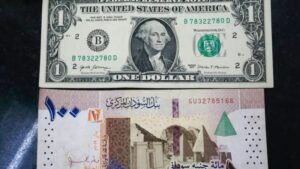
The fastest way to obtain foreign currency is not through imposing more fees, but rather through doubling exports. Sudan possesses significant competitive advantages in:
Meat.
Dairy products.
Gum arabic.
Sesame.
Peanuts.
Cotton.
Gold.
Fisheries.
Horticultural crops.
However, maximizing the benefit from these resources requires removing administrative obstacles, developing value chains, improving veterinary and agricultural services, and facilitating transportation and exports.
Fifth:
Attracting Expatriate Savings:
The Prime Minister’s directives and keen interest in stabilizing the exchange rate, combating corruption and smuggling, and establishing one million profitable housing units encourage attracting expatriate savings. Sudanese abroad represent one of the largest untapped sources of foreign currency. It is proposed to form a national committee comprising representatives from the Ministry of Finance, the Ministry of Agriculture, the Ministry of Animal Resources, the Ministry of Minerals, the Ministry of Investment, and the Sudanese Expatriates Affairs Authority. This committee would be responsible for preparing a package of ready-to-use investment projects for expatriates, along with organizing familiarization tours in the Gulf Cooperation Council countries, Europe, North America, and Australia to present these opportunities professionally.
Transforming expatriates from mere remittance senders into partners in investment and production will create sustainable flows of foreign currency and strengthen their connection to the national economy.
Sixth:
The Million Productive Housing Units Project:
The directives of His Excellency the Prime Minister and his keen interest in stabilizing the exchange rate, combating corruption and smuggling, and establishing one million profitable housing units make this project a strategic focus. It is one of the projects capable of bringing about a major economic and social transformation. This project combines housing with agricultural and livestock production and small rural industries.
Each unit becomes a small economic project that provides income for the family, increases local production, creates job opportunities, reduces migration to cities, and decreases the need for imports. With the expansion of this model, it can become one of the most important pillars of food security and economic stability.
Seventh:
Building Confidence in the Sudanese Pound:
The directives of His Excellency the Prime Minister and his keen interest in stabilizing the exchange rate, combating corruption and smuggling, and establishing one million profitable housing units strengthen confidence in the Sudanese pound. Confidence is not built on slogans, but on results.
When citizens see:
Lower prices.
Availability of goods.
Stability in electricity and services.
Increased production.
Combating corruption.
Improved value of the pound.
People will return to holding their savings in the national currency instead of converting them to dollars or gold.
This is where the positive cycle begins, strengthening the stability of the exchange rate.
In conclusion, the directives of His Excellency the Prime Minister and his keen interest in stabilizing the exchange rate, combating corruption and smuggling, and establishing one million profitable housing units require immediate translation into executive decisions. Time no longer allows for further diagnosis or hesitation.
What is needed now are decisive decisions and immediate implementation. Decision-makers must adopt a binding national economic program within 90 days, including clear objectives for increasing production and exports, a timeline for establishing producers’ markets, and the urgent implementation of digital transformation in customs and taxes, along with strict mechanisms to combat corruption and smuggling.
Furthermore, an investment package targeting expatriates must be launched within six months, and the productive housing units project must be activated on a large scale, with daily monitoring through publicly announced performance indicators.
Stabilizing the pound and reducing the cost of living will not be achieved through promises, but through organized action and rigorous accountability.
The decision today rests with the leadership:
Either act swiftly according to these priorities, or continue the decline. Historical responsibility demands choosing the former path without delay.