
Plan to Register 950,000 Refugees
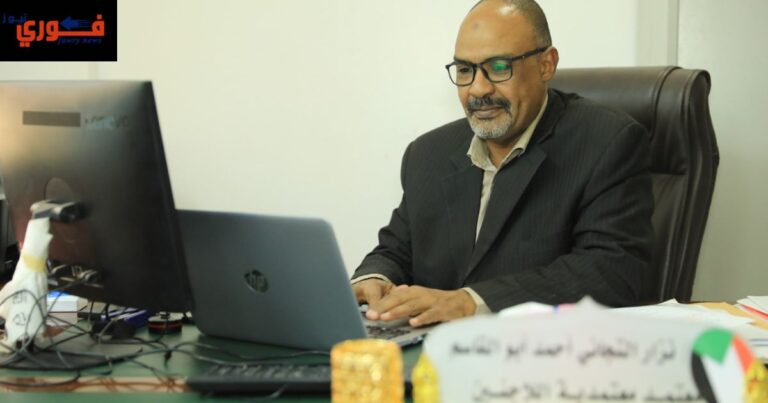
The Sudanese Refugee Commission announced the launch of a comprehensive strategic plan to review refugee records and implement a “foreign identification number” system. This aims to regulate the refugee population, verify identities, and enhance national security in light of the complex security challenges resulting from the ongoing war, which began in April 2023.
The Commissioner of the Refugee Commission, Nizar Al-Tijani Ahmed Abu Al-Qasim, confirmed that the new system seeks to address the clear discrepancies in refugee statistics and numbers among various entities. He noted that the current registry, as maintained by the UNHCR, includes over 950,000 refugees. Abu Al-Qasim explained that the registration and data collection process falls exclusively under the Commission’s jurisdiction, in cooperation with the UNHCR and the Passports and Civil Registry Authority of the Ministry of Interior. This is a prelude to issuing smart cards bearing the “foreign identification number” to distinguish refugees from other foreign residents in the country. Administrative Notice: The Commission clarified that the “Foreign Number” system was previously implemented, and its reactivation now aims to update and verify data and integrate it with modern systems.
Through this step, the Sudanese government seeks to achieve two main objectives:
National Identity Management: by updating, closing, and verifying population databases.
Regulating Population Presence: to manage security and immigration files and direct public services accurately and thoughtfully.
Eastern Sudan File and Legal Status
In a related context, Abu al-Qasim revealed that there are approximately 35,000 people in the eastern states currently classified as “asylum seekers,” confirming that their applications will be reviewed and legally decided upon in preparation for their official registration if they meet the specified conditions.
The Commission concluded its statement by emphasizing that the new procedures respect the “Sudanese Asylum Act of 2014” and international and regional agreements, noting that the primary objective of verification and issuing smart cards is to ensure humanitarian considerations and enable refugees to enjoy their fundamental rights and legal protection under the state’s umbrella.