
The Federal Emergency Operations Center reviews the epidemiological situation in the country
Khartoum/The Citizen
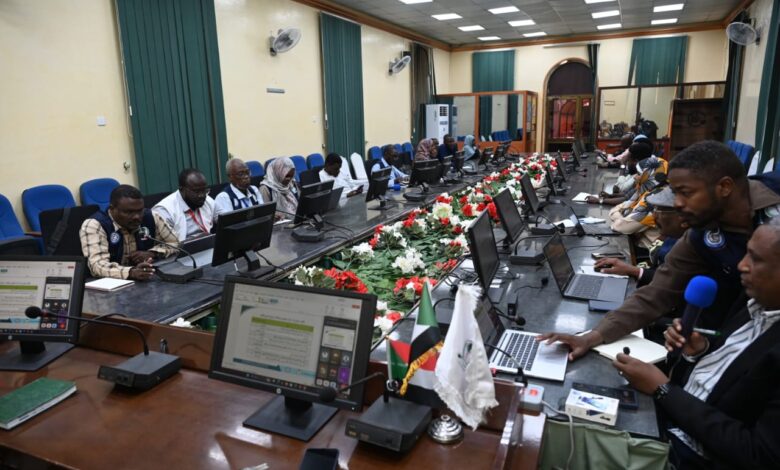
In its weekly meeting on Tuesday, at the Great Hall of the Federal Ministry of Health in Khartoum, the Federal Emergency Operations Center reviewed the epidemiological situation in the country and the activities carried out by the various departments to confront it. The Disease Surveillance and Information Report confirmed a decrease in the rate of dengue fever in all states except Khartoum, the Nile River, and the Northern State, which reported cases of the disease. Meanwhile, malaria infections were recorded in Khartoum, the Nile River, Gezira, and White Nile. The state of Gezira is still recording cases of hepatitis E, and measles infections were reported in White Nile, North Darfur, and Meningitis in the island and Khartoum.
The response report noted the activation of emergency rooms in the northern state and the dispatch of a federal response team from various departments following the emergence of dengue fever infections. In addition, a supply of medicines and testing aids was sent, noting the continuation of activities on the island to confront the epidemic. It revealed that the number of displaced people reached 30,740 families and 214,241 individuals in the host states.
Regarding the measles and rubella epidemics, the report from the immunization program confirmed that the cumulative number of infections is 839 locally specific infections, pointing out that the registered states include North Kordofan, North Darfur, and South Darfur, explaining the interventions through vaccination campaigns.
The National Public Health Laboratory announced the support of a locality technically irrigated to combat dengue fever by training local cadres on rapid examination and linking them with the reference laboratory, while confirming the preparation of the polio laboratory in the Red Sea to localize the diagnosis inside, while raising the technical readiness of the meningital emergency committee.