
Robotic Talk; Black and White: The Power of Contrast
By: Alaa Babiker
Black and white are more than just colors – or, technically, the absence and presence of light. Together, they form one of the most powerful visual and symbolic pairings in human culture. From art and photography to fashion, philosophy, and everyday language, black and white shape how we see, feel, and understand the world.
At their core, black and white represent contrast. White is often associated with light, purity, simplicity, and openness, while black is linked to darkness, mystery, elegance, and depth. When placed side by side, they sharpen each other. White appears brighter, black more intense. This contrast creates clarity, structure, and focus, which is why black and white designs remain timeless and effective.
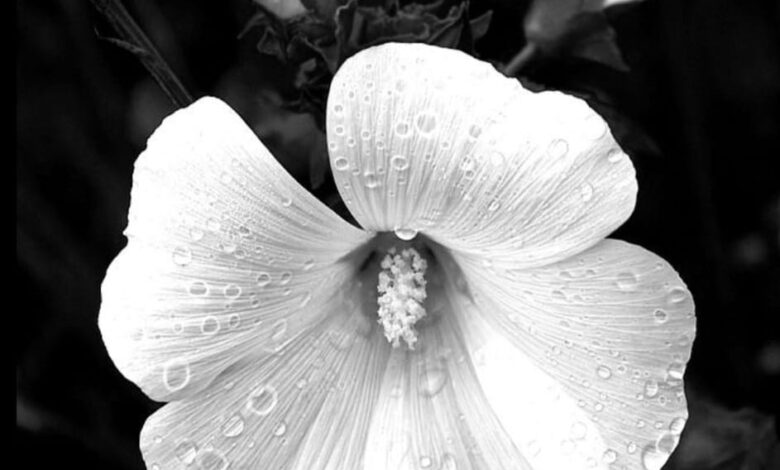
In art and photography, black and white strip away distraction. Without color, the viewer is drawn to shape, texture, shadow, and emotion. A black-and-white photograph can feel more dramatic or intimate than a color image because it asks us to look deeper. Lines become stronger, expressions more revealing, and moments more universal. Many photographers use black and white to emphasize mood rather than realism.
Fashion also embraces the strength of black and white. A black outfit can communicate sophistication, authority, or rebellion, while white often suggests freshness, cleanliness, or minimalism. Together, they create classic combinations that transcend trends – think of the black suit and white shirt, or the little black dress paired with white accents. These choices work because they are simple, bold, and endlessly adaptable.
Beyond aesthetics, black and white carry symbolic weight in language and thought. We often use the phrase “black and white” to describe clear rules or absolute judgments. Yet life itself is rarely that simple. This irony gives the pairing even more depth: while black and white suggest opposites, they also remind us that meaning often exists in contrast—and in the gray spaces between.
Ultimately, black and white endure because they are fundamental. They reflect balance, opposition, and harmony all at once. Whether used to create drama, elegance, or clarity, black and white prove that sometimes, removing color reveals the most powerful truths.