
NCCW issues a statement on the celebration of the International Day of Zero Tolerance for Female Genital Mutilation (FGM) February 2026
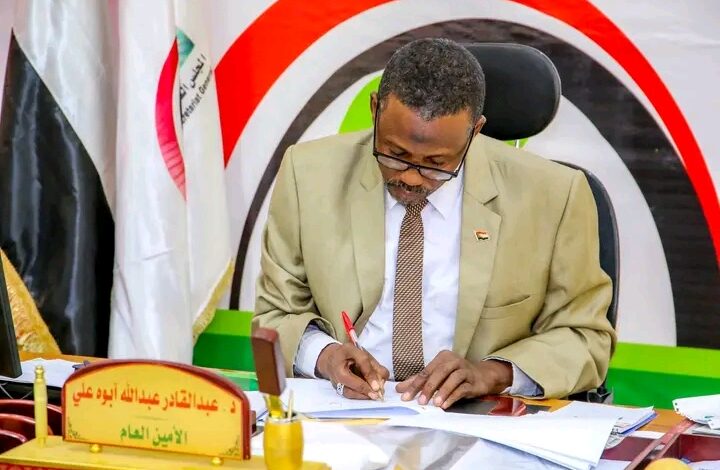
Khartoum/ The Citizen
The Secretary-General of the National Council for Child Welfare (NCCW), Dr. Abdel Gader Abdulla Abu Ali, said that the celebration of this day is an important occasion on which we stop to review and evaluate this year. We then review the progress made in legislation and protection laws in our country, in addition to assessing the efforts of international partners – UNICEF, UNFPA, the World Health Organization, and national civil society organizations – in the field of social awareness and spreading the culture of stopping violence and its repercussions against girls. This is considered one of the indicators of backwardness and social oppression that disrupts the health of girls, who are the mothers of the future.
He pointed out that February 6 is an international day adopted by the United Nations through resolution No. 67/145 in December 2002, dedicated to zero tolerance for female genital mutilation, which violates women’s rights. This practice is a negative social custom and against human rights, exposing millions of girls globally to the risk of amputation and mutilation within the framework of social backwardness, ignorance, and outdated cultures.
He stressed that the slogan for this year—February 6, 2026—global towards 2030 is “sustainable commitment and investment,” which is a condition for ending female genital mutilation (FGM). He also mentioned a national slogan: “Let the sustainable development goals and our values be a reference for the protection of our children.” He pointed out that the world is witnessing many economic, social, and climatic challenges, as well as emerging problems that negatively affect progress in the childhood sector. This sector is crucial as it represents the human capital that invests in raising the levels of education and health, i.e., activating comprehensive protection mechanisms. In this exceptional and suffocating situation in our country.
While the General Secretariat of the Council called on the Sudanese local community to continue the campaign to end and criminalize the practice of female genital mutilation in our dear country, as well as to end all the grave violations that have afflicted them in the current exceptional circumstances, it emphasized the need to protect our children in general and our girls in particular, as they are the mothers of the future. The statement pointed to the grave and heinous violations practiced by the rebel Rapid Support Militia and its aides since April 15, 2023, against our children, whose rights have been violated, and whose humanity and conscience have been broken, affecting the lives of the children’s community in our country.
Our country’s commitment to the rights and well-being of children at the national, regional, and international levels is escalating day by day until we reach the goal we have set for a safe and stable society that promotes the protection of its children.
He stressed the need to take advantage of all the options presented by national and international partners to buy time in order to achieve the goals and objectives of sustainable development, creating a better reality for children by concerting all local efforts at the official and popular levels, both national and international, to promote childhood in our country to the ranks of security, safety, and stability.
Additionally, he emphasized the importance of developing solutions to education and health issues as top priorities through official protection mechanisms and national civil society organizations. This should be followed by enacting national legislation and laws that deter violators of children’s rights by updating the laws protecting our children within the formal jurisdiction to ensure their rights in national legislation, as well as international obligations, treaties, and conventions.
The Secretary-General stated that the efforts made to eliminate female genital mutilation need more organized initiatives in all the states of our country, as there is a need to strengthen the coordination of these efforts and benefit from the regional experiences of friendly countries to eradicate this social practice that is harmful to the health and future of our girls. This can be achieved by activating the role of the technical committees for social norms, granting them significant powers, and ensuring sustained resources and logistical capabilities so that they can fully engage with local communities within the framework of activating the community committees for early warning alongside the legal control units to promote comprehensive prevention.