
Sinja’s Charter: The Era of Steadfastness to Build a Modern Health System Restores Hope to Sudan
Minister of Health: The Sinja Charter is a message of steadfastness to build a health system worthy of the dignity of the Sudanese people.
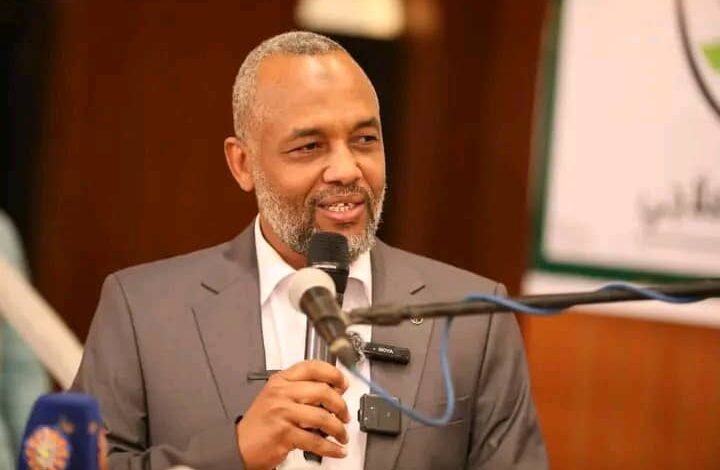
Sennar / Sinja / The Citizen
The Federal Ministry of Health (FMoH) concluded the activities of the Therapeutic Medicine Forum amid an atmosphere of pride in the steadfastness of medical staff.
The Federal Minister of Health, Prof. Haitham Mohamed Ibrahim, sent messages of thanks to the government and people of Sennar State, and to the health departments in the states for their exceptional efforts. He stressed that the outcomes of the forum represent a national charter that came at a critical time, emphasizing the need to enhance coordination between the center and the states to ensure the flow of health services and organized field work that ensures the quality of care in various circumstances.
He considered that the success of the forum is the fruit of collective work that opens a new door for pride, dignity, peace, and health for all Sudanese. Over the course of two days, the forum discussed working papers on pharmaceutical supply, emergency care, and human resources retention to form a roadmap for the recovery and sustainability of the health system with the final charter.
At the end of the forum, the Undersecretary of the Federal Ministry of Health, Dr. Ali Babiker Sayed Ahmed, announced the “Sinja Charter” as a roadmap to build a modern health system. The signatories of the Charter pledged to guarantee the right of citizens to safe and sustainable health, provide unlimited support to health workers, and build a resilient system capable of responding to crises and managing resources efficiently.
The charter included recommendations for governance and administrative system reform through rational decentralization, updating the health map, and controlling the expansion of the establishment of facilities, enhancing coordination between the center and the states, in addition to involving the community and local leaders in health decision-making.
He also called for redirecting health funding by establishing a fund for the reconstruction of hospitals, allocating protected budgets to cadres in underserved areas, activating partnerships with the private sector, and encouraging local investment in the production of medicines and medical supplies.
The document stressed the creation of a supportive environment for health cadres through attractive policies for retention, the qualification of intermediate cadres, the activation of continuous training programs, the attraction of Sudanese competencies abroad, the adoption of women-friendly policies, and the improvement of the work environment in terms of security and safety.