
The Ministry of Health discusses the unification of the pharmaceutical supply system
Khartoum/ The Citizen
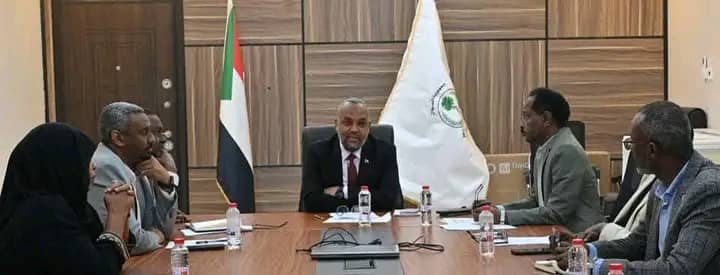
The Federal Minister of Health, Prof. Haitham Mohamed Ibrahim, held an extensive meeting in Port Sudan today, in the presence of the Director General of the National Fund for Medical Supplies, Dr. Badreddine Al-Jazouli, and the Undersecretary of the Federal Ministry of Health, Dr. Ali Babiker Sayed Ahmed, along with a number of directors of the General Departments of Federal Health and Medical Supplies.
The meeting discussed the unification of the management of the pharmaceutical supply system in Sudan, including free treatment medicines, donor medicines, and support provided by brotherly countries, within the framework of a national plan to secure free treatment and develop a unified procurement system.
In his statements, Dr. Sheikh El-Din Abdel Baqi explained that the meeting dealt with the mechanisms of financing treatment programs at the state’s expense in coordination with the Ministries of Finance and Economy, pointing out that the proposed lists include: life-saving accident medicines during the first 24 hours, cancer treatment, kidney transplant treatment, hemophalytic and peritoneal clearance, medicines and consumables for blood transfusion services, and medical consumables necessary to run health services in all medical facilities.
The total cost of providing these medical products has been estimated at more than $150 million, and is expected to be included in the 2026 budget.
The meeting also discussed the mechanism of unified procurement through the National Fund for Medical Supplies, to secure the needs of all government agencies, including:
Health Insurance, Medical Services in the Armed Forces, Medical Services in the Police, Medical Services in the National Intelligence and Security Service
The meeting also addressed unifying channels for the purchase of medical products from international donors, whether through global support, United Nations organizations, or countries with limited resources, with the aim of maximizing the use of scarce resources and improving the efficiency of health spending, in order to restore the Sudanese health system.