
Solidarity for the Future Initiative to Support Scientific Research in Arab Countries Affected by Conflicts
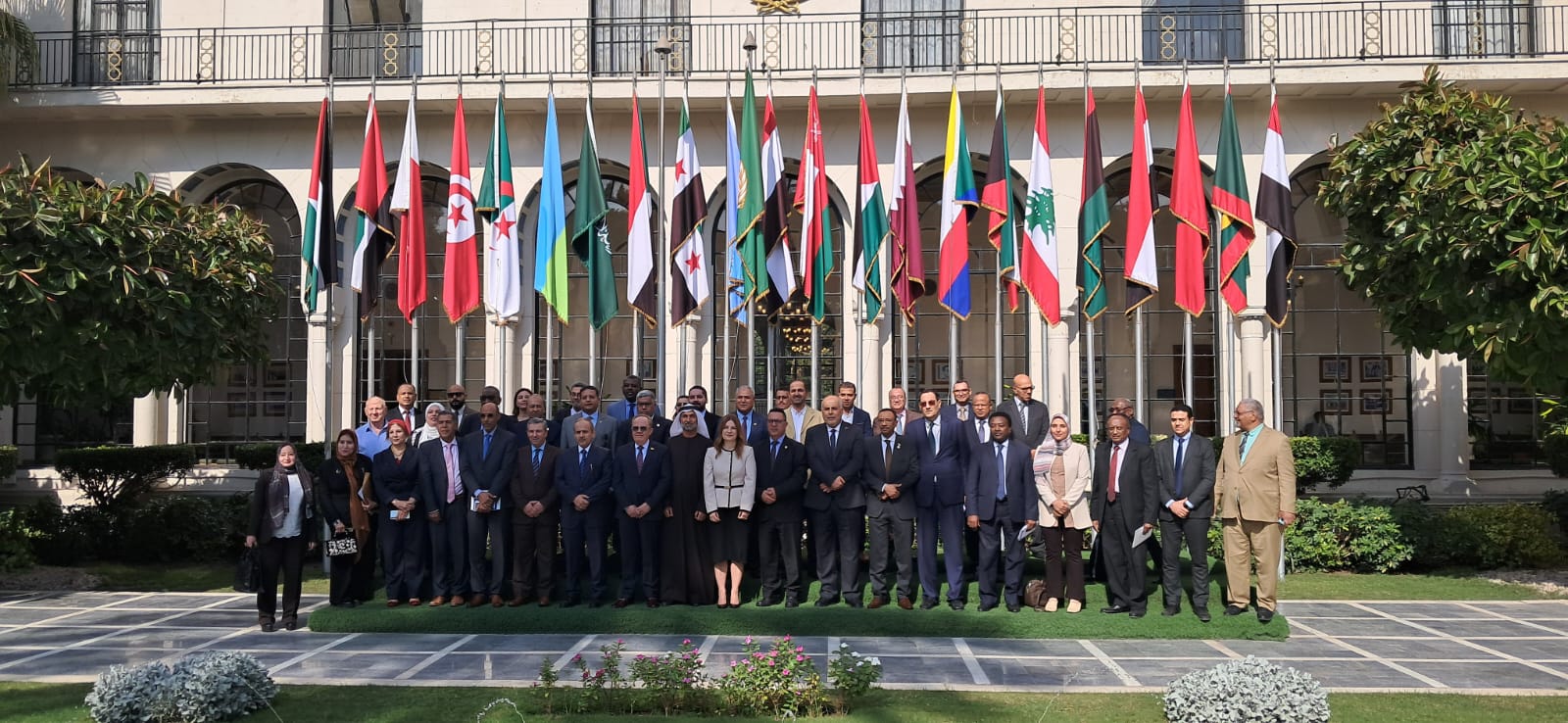
Cairo /The Citizen
The Minister of Higher Education and Scientific Research, Prof. Ahmed Mudawi Moussa, reviewed the suffering of Sudan during the period of war ignited by the Militias, which caused the systematic destruction of Sudanese higher education and scientific research institutions, which led to the destruction and comprehensive destruction of a large number of research centers, but pointed out that the will to give and challenge was present in educational halls, laboratories and halls, where researchers and students refused to surrender to the harsh conditions, and the educational and research process continued despite the destruction and deliberate sabotage.
This came when he addressed the official ceremony of the launching of the Solidarity for the Future Initiative to Support Scientific Research in the Arab Countries Affected by Conflicts, which was organized by the General Secretariat of the Union of Arab Scientific Research Councils under the auspices of the General Secretariat of the League of Arab States in the Egyptian capital, Cairo, under the slogan “Scientific Research Doesn’t Wait”, in the presence of the Ministers of Higher Education and Scientific Research in Syria and Yemen.
He added that the Solidarity for the Future initiative represents an important step to restore confidence and credibility to science in Arab societies affected by conflicts and wars, to provide an environment that enables researchers to continue their scientific research, explaining that the initiative should support researchers, research and academic institutions in conflict-affected areas to reconstruct and rehabilitate them in order to ensure the continuity of scientific giving.
He reiterated Sudan’s readiness to fully cooperate with the General Secretariat of the Union of Arab Scientific Research Councils to ensure the success of the initiative and turn it into practical programs and projects, pointing to the importance of providing sustainable Arab funding to rehabilitate what was destroyed by the war, especially research centers, and stressed the importance of strengthening international cooperation between researchers in conflict-affected countries and their counterparts from other countries.