
Robotic Talk: Flying Cars: Necessity or Entertainment?
By: Alaa Babiker
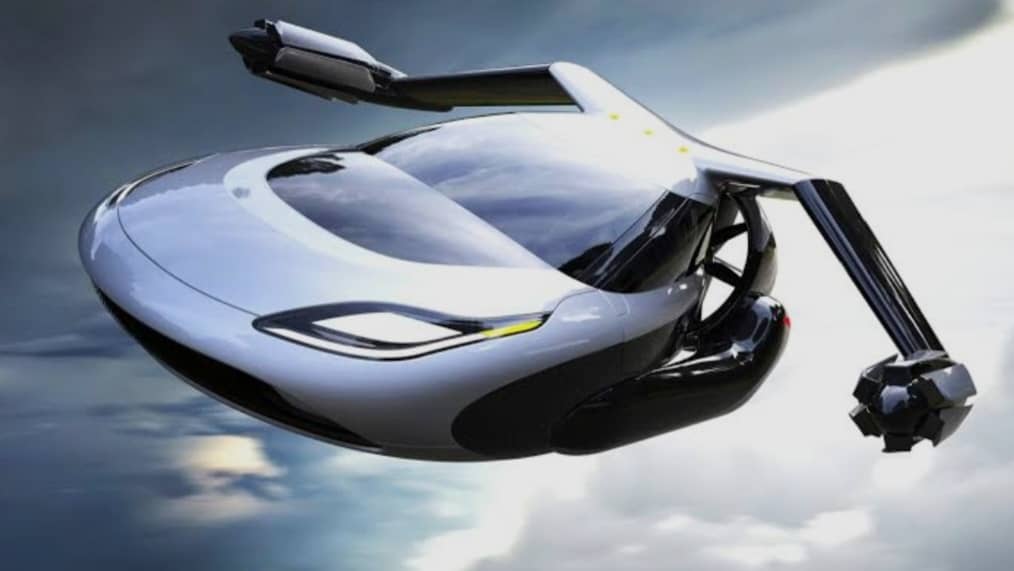
For decades, flying cars have symbolized the future — a vision drawn from science fiction movies, comic books, and bold imaginations. Once a distant dream, this futuristic idea is now inching closer to reality. With advancements in aerodynamics, electric propulsion, and artificial intelligence, several companies are developing vehicles that can both drive on roads and soar through the skies.
But as the dream turns into reality, an important question arises: Are flying cars truly a necessity, or are they simply a form of high-tech entertainment?
The idea of a car that can fly captures the essence of human innovation — freedom, speed, and adventure. Advocates argue that flying cars could solve some of the biggest problems facing modern transportation.
In large cities, traffic congestion wastes billions of hours each year and contributes heavily to pollution. Flying cars, in theory, could bypass this gridlock, reducing travel times dramatically. A 30-minute drive could become a 10-minute flight.
They could also revolutionize emergency services — allowing doctors, rescue teams, and firefighters to reach remote or crowded areas faster. For regions with poor infrastructure, flying vehicles could connect communities without the need for expensive roads or bridges.
From a technological perspective, flying cars represent the next step in personal mobility — merging the power of aviation with the convenience of automobiles.
Despite the excitement, the reality of flying cars is far more complex. Developing such technology is expensive, and making it safe and accessible to the public is even harder.
Flying vehicles must meet strict safety standards, avoid collisions, and operate in shared airspace already crowded with airplanes and drones. Urban areas would need new infrastructure — skyports, charging stations, and air-traffic control systems — to manage flying cars safely.
There are also environmental and energy concerns. Even electric flying cars require large amounts of power to lift off the ground. If not managed properly, this could increase the demand for electricity and carbon emissions, rather than reducing them.
Cost is another obstacle. Early models will likely be affordable only for the wealthy, turning flying cars into luxury toys rather than practical tools for everyday people. This raises the question: are we building a future for everyone, or for the privileged few?
For now, flying cars remain closer to entertainment and experimentation than necessity. They attract attention, fuel imagination, and symbolize human ambition — but they do not yet solve the broader challenges of transportation that most people face daily.
Much like private jets or high-end sports cars, flying cars may first serve those seeking exclusivity, thrill, or prestige. They will appear in movies, exhibitions, and tech shows long before they become part of ordinary life.