
Health insurance. An umbrella protects (15) thousand farmers in the Al-Rahad project
The Citizen/
The Sudanese farmer remains the backbone of the national economy, and has the upper hand in providing food and increasing exports, but on the other hand, it is one of the most exposed groups to health risks associated with the nature of their work in the fields under the sun, dust and the use of pesticides. This paradox has made the farmer in dire need of affordable health care services that reduce the cost of treatment and ensure the continuity of productive work.
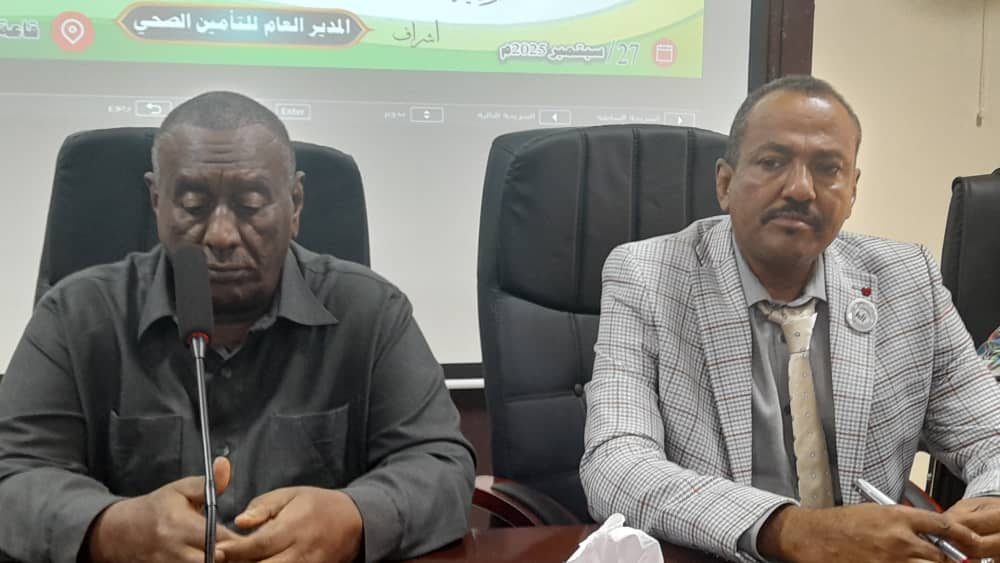
The decision came to include (15) thousand farmers from the agricultural project under the umbrella of the National Health Insurance Fund in the state of Gezira. It is not just an administrative measure, but a strategic and partnership step that has profound implications in the context of linking agricultural production to social and health development.
Protecting Human Capital
The agricultural sector in Sudan depends on the individual farmer before the machine, so taking care of the health of the farm necessarily means protecting the human capital on which the project is based. Health insurance here is not only a therapeutic service, but an investment in the power of production, and a means of ensuring the social and economic stability of thousands of families who depend on agriculture as their main source of income.
Implications for production
Health reassurance contributes to raising the morale of farmers, and pushes them to work with greater concentration away from the obsession with the disease and its costs. The more social security there is, the more we will be able to devote myself to agricultural work, which will reflect positively on the volume and quality of production. This is what the country needs in light of economic challenges and the growing demand for food security.
A step on the road to universal coverage
The state of Gezira is one of the leading states in the field of health insurance, with the coverage rate exceeding 80% of the population. The introduction of the farmers of the Al-Rahad project represents a new link in the horizontal expansion of the National Health Insurance Fund, reaching the strategic goal: universal health coverage by 2030.
Farmers’ Voice
Farmers, in turn, welcomed the move as a real win for them and their families. It reduces the risk of direct expenditure on health and gives them access to a network of medical services spread across the state. This step also opens the door to more partnerships between the Ministries of Health and Agriculture, in order to cover all workers in the agricultural sector under the umbrella of insurance.
Towards an Integrated Model
The introduction of farmers into health insurance could be the beginning of an integrated model linking agricultural production, social protection, and economic development. When the farmer finds health support, he is more able to give, and the society as a whole benefits from the abundance of food and the improvement of the national income.
Ultimately, what has been achieved in the Al-Rahad project is not just a number added to the insurance coverage records, but it is an affirmation that caring for productive human beings is the surest way to achieve sustainable development.