
South Sudan Security: We will continue to arrests, and no one is above the law
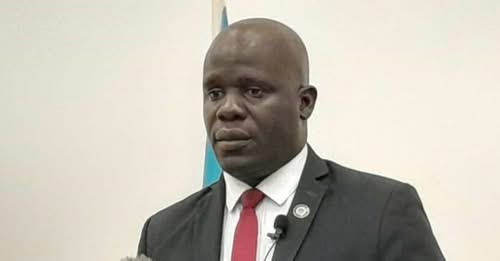
The Internal Security Bureau of South Sudan’s National Security Service has announced that it will continue its crackdown on individuals suspected of involvement in recent clashes in Nasir and Ulang counties in Upper Nile State.
These statements come after weeks of fighting between the South Sudan People’s Defense Forces and the White Army, an ethnic group from Nuer, whom the authorities believe has ties to the opposition SPLM led by South Sudan’s Vice President, Riek Machar.
The violence has led to the arrest of several senior military officers and government officials in the Machar movement, including Petroleum Secretary Bot Kang Chol and Deputy Chief of General Staff Gabriel Doub Lam, a close ally of First Vice President Dr. Riek Machar.
The authorities did not officially explain the arrests, which began earlier this week, but came in the wake of clashes between the army and the white army in the town of Nasser. The fighting has increased pressure on the already fragile peace agreement between President Salva Kiir and Vice President Machar, who is leading the Sudan People’s Liberation Movement (SPLM). Machar’s main allies have raised concerns about the potential destabilization of the South Sudan peace agreement.
The situation escalated on Friday when a United Nations helicopter trying to evacuate PDF members came under fire, killing a general and dozens of soldiers.
The security apparatus defends the arrests, and at a press conference in Juba, David John Commore, Director of Public Relations at the National Security Agency, stated that the arrests were part of the efforts to maintain national security and support the renewed 2018 agreement to resolve the conflict in South Sudan. (R-Arcss). “The arrests will continue,” Komori said. “Those who commit crimes against the state, conspire against the government, or relate to the events in Nasir will be held accountable.”
He stressed that the arrests were not based on political affiliation, race, or regional ties, but rather were directed by intelligence reports and evidence.
He said, “The Internal Security Office of the National Security Agency has arrested and detained many individuals with confirmed links to the escalating military confrontation in Nasser and Oolang and the surrounding areas. He added that these arrests came in the wake of intensive intelligence operations aimed at collecting information from individuals, both inside and outside the country, who were fueling the ongoing conflict in the aforementioned areas. Komori cited Articles 54 and 55 of the National Security Act, who give the National Security Agency the powers to arrest individuals without a warrant in cases related to espionage, sabotage, terrorism or threats to national security. “South Sudan, like any sovereign country, has the right to address threats to its security,” Komori said. The National Security Agency acts within its legal mandate to protect the nation and its citizens.”
Komori urged the public to calm down and trust the authorities to deal with the situation legally, and warned of any abuse of power by law enforcement officers, noting that such acts would not be tolerated. “The safety and security of our nation and its citizens remain our top priority,” he said. “We will take decisive action to ensure stability and hold anyone who undermine the peace process accountable.”
He concluded his speech by saying, “The important thing is that we maintain peace and security in the spirit of implementing the Comprehensive Peace Agreement. As the president said, we are committed to avoiding returning to war. However, the country is greater than the Comprehensive Comprehensive Peace Agreement, and no one is above the law.”