
Comments on the US accusation to Sudan’s army of using chemical weapons
The Citizen
According to news published in The New York Times, Sudan’s military has used chemical weapons on at least two occasions against the paramilitary group it is battling for control of the country, four senior United States officials said on Thursday.
The weapons were deployed recently in remote areas of Sudan, and targeted members of the Rapid Support Forces paramilitaries that the army has been fighting since April 2023. But U.S. officials worry the weapons could soon be used in densely populated parts of the capital, Khartoum.
The revelations about chemical weapons came as the United States announced sanctions on Thursday against the Sudanese military chief, Gen. Abdel Fattah al-Burhan, for documented atrocities by his troops, including indiscriminate bombing of civilians and the use of starvation as a weapon of war.
The U.S. decision is considered a significant move against a figure seen by some as Sudan’s de facto wartime leader, who also represents his country at the United Nations.
Although chemical weapons were not mentioned in the official sanctions notice on Thursday, several U.S. officials said they were a key factor in the decision to move against General al-Burhan.
Two officials briefed on the matter said the chemical weapons appeared to use chlorine gas. When used as a weapon, chlorine can cause lasting damage to human tissue. In confined spaces it can displace breathable air, leading to suffocation and death.
Sudan’s ambassador to the United Nations, Al-Harith Idriss al-Harith Mohamed, said in a text message that Sudan’s military had “never used chemical or incendiary weapons.”
On the contrary, it’s the militia that used them,” he added, referring to the Rapid Support Forces.
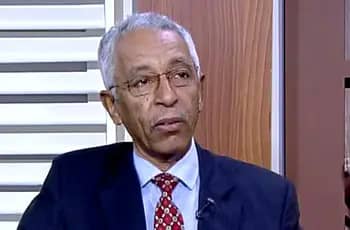
Within the Citizen’s endeavors to shed light on the issue, Dr. Khidir Haroum, who gave us the following comment:
It is noteworthy that the source of the accusation that the Sudanese Armed Forces had used chemical weapons in its war against the Rapid Support Forces was the two reporters of the New York Times and not mentioned in the official sanctions imposed by the American government. It is phony and laughable and reminded me of the pretext used to destroy Alshifa Pharmaceutical Plant in August 1998, which subsequently turned out to be false by the Organization of Prevention of Chemical Weapons (OPCW). That is the only body authorized to scientifically to determine the usage of the usage of chemical weapon.
◦ On sanctions on the Chairman of the transitional Sovereign Council the basis for the decision is terribly flawed and vague, motivated by intentions to please allies in the region and sadly be seen as impartial and not taking sides between SAF and RSP which was accused by the same government of genocide.
(Dr. Khidir Haroum is a prominent Sudanese diplomat and politician who is specialized in Sudanese/American relations. He served as Sudan’s ambassador to the US and other countries. Dr. Haroun is a lecturer of political science in several US universities besides his regular writing in several publications)
Comments on the US accusation to Sudan’s army of using chemical weapons
The Citizen
According to news published in The New York Times, Sudan’s military has used chemical weapons on at least two occasions against the paramilitary group it is battling for control of the country, four senior United States officials said on Thursday.
The weapons were deployed recently in remote areas of Sudan, and targeted members of the Rapid Support Forces paramilitaries that the army has been fighting since April 2023. But U.S. officials worry the weapons could soon be used in densely populated parts of the capital, Khartoum.
The revelations about chemical weapons came as the United States announced sanctions on Thursday against the Sudanese military chief, Gen. Abdel Fattah al-Burhan, for documented atrocities by his troops, including indiscriminate bombing of civilians and the use of starvation as a weapon of war.
The U.S. decision is considered a significant move against a figure seen by some as Sudan’s de facto wartime leader, who also represents his country at the United Nations.
Although chemical weapons were not mentioned in the official sanctions notice on Thursday, several U.S. officials said they were a key factor in the decision to move against General al-Burhan.
Two officials briefed on the matter said the chemical weapons appeared to use chlorine gas. When used as a weapon, chlorine can cause lasting damage to human tissue. In confined spaces it can displace breathable air, leading to suffocation and death.
Sudan’s ambassador to the United Nations, Al-Harith Idriss al-Harith Mohamed, said in a text message that Sudan’s military had “never used chemical or incendiary weapons.”
On the contrary, it’s the militia that used them,” he added, referring to the Rapid Support Forces.
Within the Citizen’s endeavors to shed light on the issue, Dr. Khidir Haroum, who gave us the following comment:
It is noteworthy that the source of the accusation that the Sudanese Armed Forces had used chemical weapons in its war against the Rapid Support Forces was the two reporters of the New York Times and not mentioned in the official sanctions imposed by the American government. It is phony and laughable and reminded me of the pretext used to destroy Alshifa Pharmaceutical Plant in August 1998, which subsequently turned out to be false by the Organization of Prevention of Chemical Weapons (OPCW). That is the only body authorized to scientifically to determine the usage of the usage of chemical weapon.
◦ On sanctions on the Chairman of the transitional Sovereign Council the basis for the decision is terribly flawed and vague, motivated by intentions to please allies in the region and sadly be seen as impartial and not taking sides between SAF and RSP which was accused by the same government of genocide.
(Dr. Khidir Haroum is a prominent Sudanese diplomat and politician who is specialized in Sudanese/American relations. He served as Sudan’s ambassador to the US and other countries. Dr. Haroun is a lecturer of political science in several US universities besides his regular writing in several publications)
Comments on the US accusation to Sudan’s army of using chemical weapons
The Citizen
According to news published in The New York Times, Sudan’s military has used chemical weapons on at least two occasions against the paramilitary group it is battling for control of the country, four senior United States officials said on Thursday.
The weapons were deployed recently in remote areas of Sudan, and targeted members of the Rapid Support Forces paramilitaries that the army has been fighting since April 2023. But U.S. officials worry the weapons could soon be used in densely populated parts of the capital, Khartoum.
The revelations about chemical weapons came as the United States announced sanctions on Thursday against the Sudanese military chief, Gen. Abdel Fattah al-Burhan, for documented atrocities by his troops, including indiscriminate bombing of civilians and the use of starvation as a weapon of war.
The U.S. decision is considered a significant move against a figure seen by some as Sudan’s de facto wartime leader, who also represents his country at the United Nations.
Although chemical weapons were not mentioned in the official sanctions notice on Thursday, several U.S. officials said they were a key factor in the decision to move against General al-Burhan.
Two officials briefed on the matter said the chemical weapons appeared to use chlorine gas. When used as a weapon, chlorine can cause lasting damage to human tissue. In confined spaces it can displace breathable air, leading to suffocation and death.
Sudan’s ambassador to the United Nations, Al-Harith Idriss al-Harith Mohamed, said in a text message that Sudan’s military had “never used chemical or incendiary weapons.”
On the contrary, it’s the militia that used them,” he added, referring to the Rapid Support Forces.
Within the Citizen’s endeavors to shed light on the issue, Dr. Khidir Haroum was contacted to comment on the issue.
Hereunder is the comments of Dr. Khidir Haroun:
“It is noteworthy that the source of the accusation that the Sudanese Armed Forces had used chemical weapons in its war against the Rapid Support Forces was the two reporters of the New York Times and not mentioned in the official sanctions imposed by the American government. It is phony and laughable and reminded me of the pretext used to destroy Alshifa Pharmaceutical Plant in August 1998, which subsequently turned out to be false by the Organization of Prevention of Chemical Weapons (OPCW). That is the only body authorized to scientifically to determine the usage of the usage of chemical weapon.