
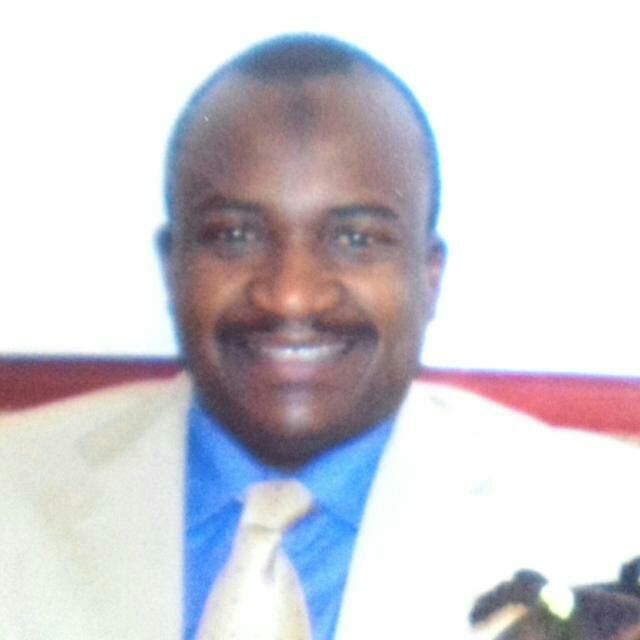
The surrendered commander of the RSF .. Will he be tried?
By: Al-Rekabi Hassan Yagoub
The surrender of the commander of the Rapid Support Forces(RSF) in Gezira State in central Sudan, Major General Abu Aqla Kikal, to the Sudanese army has received great and widespread attention in local, regional and international circles.
This event is considered the second most important in a series of events that occurred during this month in the diary of the war in Sudan.
Perhaps the first most important event during this period was the Sudanese army’s recovery of the strategic area of (Jebel Moya) from the grip of the RSF, in which the commander of the RSF accused Egypt of attacking his forces in the area.
The surrender of Kikal to the Sudanese army and the circumstances surrounding it besides the repercussions that accompanied it on the military situation on the ground in central Sudan, in which the balance of power shifted in favor of the Sudanese army, sparked widespread controversy among Sudanese public opinion in particular.
It also sparked great controversy within the corridors of both the RSF on the one hand, and the Sudanese army and government on the other.
The RSF, through their political advisors and the rest of their military leaders, described their former commander in Gezira State as a traitor, and that he “denied the cause”, and some of them said that he was planted in the RSF, and that he continued to work for the Sudanese army.
On the other hand, the Sudanese army announced in an official statement that the commander of the Rapid Support Forces in Gezira State and a group of his forces had sided with the right and the homeland, and left the ranks of the rebellion and fighting alongside the army forces.
The statement welcomed this step and described it as courageous, stressing that the doors are open to all who side with the homeland and its armed forces.
The statement indicated that the Sudanese army confirmed the amnesty of the Head of the Sovereignty Council, Commander-in-Chief of the Sudanese Armed Forces, 1st. Lieutenant General Abdul Fattah Al-Burhan, for any rebel who sides with the homeland and informs the nearest military command in all regions of Sudan.
However, this event created great confusion among the Sudanese public opinion, and had a double impact on the popular circles and on large sectors of the Sudanese public.
Immediately after the event, there were a significant amount of joy and relief among the Sudanese people in general, and the citizens of Gezira State in particular; as it leads to putting an end to their suffering from the violations, atrocities and war crimes committed by the RSF against them since entering the state in December of last year.
Also, the surrender of Major General Kikal to the army has military significance, as it represents a material and moral defeat for the RSF, and a painful blow to them, which have not yet recovered from their defeat – which their commander (Hemedti) admitted – by the Sudanese army in (Jebel Moya).
Also, Kikal’s surrender is a major deduction from the political balance of the RSF, and its civilian wing represented by the (Coordination of Civilian Democratic Forces) known in short as (Taqadum), as the discourse of these forces continued to claim that it represents the Sudanese people and the masses of Gezira State, and that it has broad bases in this important state, and that these popular bases represent the legitimate support for them in their quest to restore civilian rule, and bring democracy, peace, freedom and justice.
But despite the unified feeling of joy among Sudanese public opinion about Kikal’s surrender, the event sparked a difference in reactions to what should happen the day after the surrender, specifically about Kikal’s fate.
This difference began to grow since the first day of surrender, taking an escalating form towards transforming from a mere “difference” to a “disagreement” that is strongly likely to crystallize into a “schism” between two groups of people:
The first group says that Kikal is a deceitful man, and that he announced his surrender to escape a crushing defeat that surrounded him from every side after the army regained Jebel Moya and defeated the RSF, and its rapid advance in the field, and the omplete encirclement of Gezira State, so he announced his surrender in order to get out of this predicament.
This group believes that Kikal is dishonest, and only wants to escape punishment for the horrific crimes committed by his forces for nearly a year, and that he should be tried as a war criminal, not pardoned, celebrated, and portrayed as a national hero.
They believe that private rights take precedence over public rights, and that the government does not have the right to pardon private rights.
There are properties that have been looted, honor that has been violated, lives that have been unjustly lost, people who have been displaced, forcefully migrated and sought refuge, living in miserable conditions inside and outside the country because of Kikal, and therefore it is necessary to punish him by bringing him to justice.
On the other hand, a group led by the Sudanese government sees Kikal’s surrender as a resounding victory for the army, as it has caused a major rift in the ranks of the RSF, and was a backbreaker for the RSF, not only in Gezira State, but in all the other states in which it is present.
Kikal’s surrender also put the RSF on the brink of defeat and total collapse throughout Sudan.
What his surrender achieved saved and stopped a lot of blood that would have been shed in the battle to liberate Gezira State.
This group believes that 1st. Lieutenant General Burhan, as head of state and commander of the army, has the right to a general pardon by virtue of his position and according to his assessments as a military commander and legitimate president of the country, if he sees that this pardon is a reason to achieve the public interest and prevent harm, and that this pardon falls within the scope of his planning for military and intelligence operations and his management of the political situation in the country.
In light of the heated debate over the surrender incident and the clear division around it, and the validity of the arguments and justifications of both groups – which is a complex, confusing, bewildering situation and a real predicament – the question strongly arises about how to get out of this predicament safely, which may become more complicated in a way that could negatively affect the internal front in Sudan supporting the army, which has remained cohesive and strongly united in confronting the RSF since the first day of the war, which may lead to its cracking, and it is very close to victory!
I say that the only way out of this predicament that everyone found himself in overnight is in the hands of Kikal himself!
It is true that Kikal alone will untie the knot he tied, but solving the problem requires going back to the roots that caused it.
This difference began to grow since the first day of surrender, taking an escalating form towards transforming from a mere “difference” to a “disagreement” that is strongly likely to crystallize into a “schism” between two groups of people:
The first group says that Kikal is a deceitful man, and that he announced his surrender to escape a crushing defeat that surrounded him from every side after the army regained Jebel Moya and defeated the RSF, and his rapid advance in the field, and his complete encirclement of Gezira State, so he announced his surrender in order to get out of this predicament.
This group believes that Kikil is dishonest, and only wants to escape punishment for the horrific crimes committed by his forces for nearly a year, and that he should be tried as a war criminal, not pardoned, celebrated, and portrayed as a national hero.
They believe that private rights take precedence over public rights, and that the government does not have the right to pardon private rights. There are properties that have been looted, honor that has been violated, lives that have been unjustly lost, people who have been displaced, displaced, and sought refuge, and they live in miserable conditions inside and outside the country because of Kikal, and therefore it is necessary to punish him by bringing him to justice.
On the other hand, a group led by the Sudanese government sees Kikal’s surrender as a resounding victory for the army, as it has caused a major rift in the ranks of the RSF, and was a backbreaker for the RSF not only in Gezira State, but in all the other states in which it is present.
Kikal’s surrender also put the RSF on the brink of defeat and total collapse throughout Sudan.
What his surrender achieved saved and stopped a lot of blood that would have been shed in the battle to liberate Gezira State.
This group believes that 1st. Lieutenant General Burhan, as head of state and commander of the army, has the right to a general pardon by virtue of his position and according to his assessments as a military commander and legitimate president of the country, if he sees that this pardon is a reason to achieve the public interest and prevent harm, and that this pardon falls within the scope of his planning for military and intelligence operations and his management of the political situation in the country.
In light of the heated debate over the surrender incident and the clear division around it, and the validity of the arguments and justifications of both groups – which is a complex, confusing, bewildering situation and a real predicament – the question strongly arises about how to get out of this predicament safely, which may become more complicated in a way that could negatively affect the internal front in Sudan supporting the army, which has remained cohesive and strongly united in confronting the RSF since the first day of the war, which may lead to its cracking, and it is very close to victory!
I say that the only way out of this predicament that everyone found themselves in overnight is in the hands of Kikal himself!
It is true that Kikal alone will untie the knot he tied, and that solving the problem requires going back to the roots that caused it.
Kikal can solve this knot, and he is now at the test, having a wide opportunity to prove his honesty and patriotism and write his name in letters of light in the history of Sudan, erasing what his right hand has committed against his people and his country.
Great leaders always put the general before the private. Kikal has to announce today before tomorrow that he is voluntarily and willingly presenting himself to the justice apparatus to be tried according to the litigation procedures before the Sudanese judiciary.
By doing so, he will have proven the honesty of his intentions first, then purified himself of the rights and grievances of the people second, and then – and this is the most important as it relates to the future of his country – preventing the cracking of the internal front, which could – due to the disagreement over his surrender – develop into civil confrontations that no one wants and which consequences are destructive.