
The Sudan war and its effects on people with disabilities
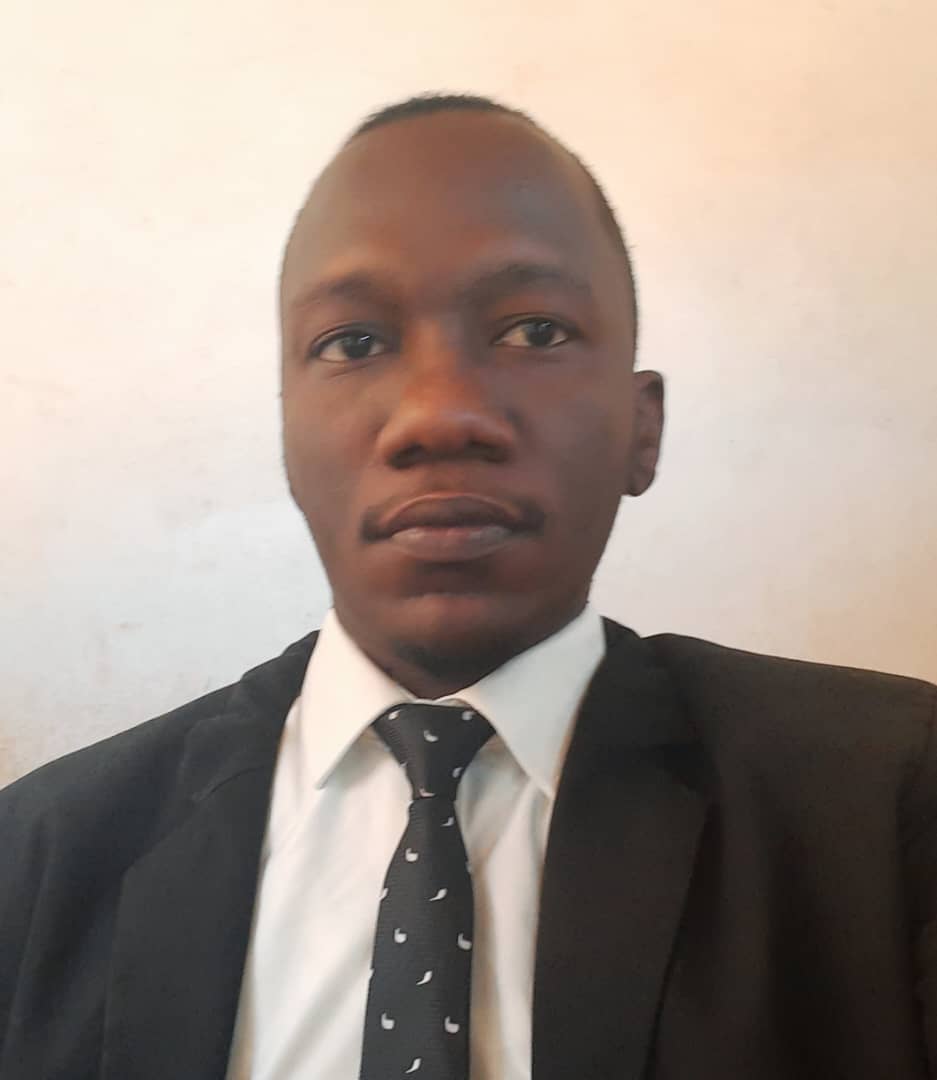
By: Muhammad Al-Muayyad Mubarak
There is no doubt that the peacebuilding process is a fundamental and important pillar of any society whose people seek security and stability.
No progress or development will take place unless all segments of society agree to implement the principle of peace and the culture of dialogue. People with disabilities are only part of the fabric of this society. They are directly affected by all the changes and events that occur in it. The specificity of disability prompts any society to be cautious in order to work to take that specificity into account and find facilities for it, especially whose disabilities resulted from armed conflicts in their various forms and manifestations.
Let everyone know that the statistics of persons with disabilities in Sudan amount to 4.8 percent of the total population of Sudan according to the 2008 census, which is the last population census in Sudan, and this percentage is not commensurate with the situation of persons with disabilities in Sudan, because Sudan experienced armed conflicts and civil wars before its independence. Until now, when this was confirmed, the United Nations says that the percentage of disability in countries that live in conditions such as those experienced by Sudan exceeds 15%, and most of these disabilities are due to armed conflicts, tribal fighting, or internal conflicts, which have undoubtedly contributed to increasing the number of people with disabilities.
With this large number, the state, society, and all civil society organizations, humanitarian and human rights organizations must do their duty towards people with disabilities as a result of the tragic situation of this war, which has fundamentally affected them and made them suffer more than others, especially in light of the absence of the minimum requirements. Basic life, including food and medicine, and their protection in accordance with international agreements, including: the International Convention for the Protection and Promotion of the Rights of Persons with Disabilities, which Sudan ratified in 2009. The agreement affirms in Article 10 the right of persons with disabilities to life, and in Article 11, to Situations of danger and humanitarian emergencies, stipulating the necessity of taking all necessary measures to ensure the protection and safety of persons with disabilities who are in dangerous areas. This is something that we did not see or hear about during more than eight months of the war between the Sudanese army and the Rapid Support Forces, which broke out on April 15, and this war claimed the lives of more than 12 thousand people, according to statistics. From the Acland Organization, which is specialized in counting victims of conflicts. This war caused the displacement of 7.1 million displaced people, causing the United Nations to describe this crisis as the largest displacement crisis in the world. This war also left a large number of refugees in a number of countries, the largest number of whom were in neighboring countries, especially Egypt and Chad. The segment of people with disabilities is considered the segment of society most affected by the war, and although there are no statistics on the extent of the damage inflicted on persons with disabilities, it is certain that there is an unknown number who lost their lives as a result of this war. Some of them died because of their inability to communicate with fighters due to… people with disabilities, and some of them died because of the lack of safe evacuation from areas of armed conflict. The lucky ones were evacuated by their relatives or some good people to relatively safe areas, and then new suffering began with displacement and asylum, as most of them fled with their families to reside in safe areas, and some of them to displacement camps, and in both cases they suffered.
There is lack of a welcoming environment for them, as there is severe crowding and difficulty in movement and access due to the nature of the buildings, roads, and bathrooms that do not contain the most basic building code requirements for people with disabilities. People with disabilities also suffered from others not understanding the issue of disability and that it required some special accommodations.
The war caused a scarcity of petroleum derivatives and high prices for transportation tickets, which made the movement of people with disabilities very difficult, especially since most of them need modern means of transportation that allow them to move between states in the event of displacement and between countries neighboring Sudan in the case of refugees. People with disabilities who were sent as refugees outside the country also suffered as they were subjected to harassment and their rights were violated…and now the damage has reached most of the rehabilitation centers, educational and service institutions, and their union homes, which have stopped because of it, as some of them are targeted by bombing, destruction, or entrenchment in them. What increased their pain and injuries was the interruption of medications and treatments, which led to the death of some people with disabilities. In addition to the violation of the rights of persons with disabilities to rehabilitation, education, and health, many of them lost their sources of income due to the cessation of employers in the public and private sectors and the cessation of the work of activists in the public and private sectors.
As a result, this led to a deterioration in the standard of living. All of this was accompanied by a deterioration in the psychological state of people with disabilities, which increases their suffering.
All of these factors and damages have increased the suffering of people with disabilities who live in wars and conflicts without taking into account their needs.
It is worth noting that the war is still ongoing, and its size is increasing every day, and the suffering of people with disabilities continues, and as of the moment of writing these lines, they are stuck in camps in the neighboring countries of Ethiopia and Uganda. And Chad.
War is not the only danger threatening people with disabilities, as there are many other risks such as environmental disasters (floods, earthquakes, volcanoes, etc.).
In light of all these risks, people with disabilities need special arrangements to ensure their safety, but war remains the greatest threat to the lives of people with disabilities, in addition to violating their rights.
War is one of the largest causes of disability, in which people with disabilities need urgent and special interventions. Therefore, at the conclusion of this paper, we put forward some recommendations that we believe will contribute to strengthening the right of persons with disabilities to protection and safety during danger and emergencies.
Recommendations:
1- Call on both sides of the conflict to stop the war immediately
2- Work to address the roots of the intractable Sudanese crisis and find unique solutions to it
3- Oblige the state and society to take the necessary measures to protect people with disabilities in situations of danger and humanitarian emergencies.
4- Raising awareness of the effectiveness of dealing positively with persons with disabilities in times of danger and encouraging Sudanese values and customs that are concerned with standing with the weak and helping the afflicted. 5- Working to enhance the capacities and capabilities of institutions for persons with disabilities so that they can play their effective role towards their employees in times of danger and humanitarian emergencies.