
The emeritus Professor Status: A Mark of Excellence or a Political Tool?
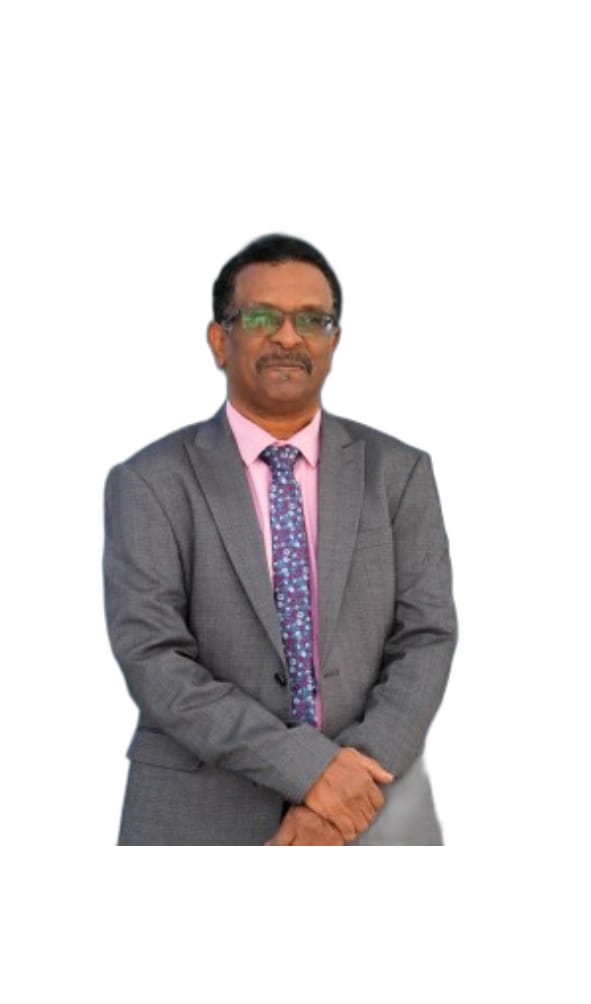
By: Dr. Elsir Ali Saad Mohamed
Academic and journalist
During one of the Cultural Dialogues, Umberto Eco, an Italian philosopher and novelist, was asked about the state of contemporary living. He answered the question brilliantly, adding, “Life today is not governed by good and wrong, morals, beliefs, or ideas. Life is dominated by the notion of strength and weakness, sometimes known as adaptation or extinction. Your right should be exercised via power, knowledge, and adaptation to reality.”.
This thought regarding evolving paradigms of power and influence prompts me to ponder on the current academic environment in academic honorifics such as emeritus Professor. Excellence in research, teaching, and community service are the clear criteria for receiving this honorary title. And the proof that must be presented is a strong publishing record, meaningful research outcomes, and significant service contribution, which will be evaluated by an authorized review committee.
The emeritus Professor title aims to promote innovation and leadership in higher education institutions. It promotes multidisciplinary collaboration, mentorship, and national educational goals. However, this procedure may have biases. Critics argue that the standards, which rely heavily on quantitative measurements such as the number of publications, may favor established scholars over emerging researchers. This may limit diversity in academic representation while overshadowing qualitative aspects of education and community participation.
However, this is not the situation in Sudan. What is generally recognized as a high scholastic qualification is a politically charged commodity in Sudan. In other cases, it appears that the emeritus Professor title is awarded based on political relationships and sycophancy rather than actual work. Talented scientists who exemplify research brilliance and intellectual rigor are sometimes overlooked in favor of individuals who excel at political maneuvering rather than scientific achievements. This large disparity raises serious concerns regarding the legitimacy and purpose of such a renowned designation. The emeritus Professor title in Sudan risks becoming a mark of political patronage rather than academic competence. This devalues the very ideal for which the term stands. Recognition for exceptional achievements to academia and society.
It is also extremely important that honorifics, such as the emeritus Professor title, keep their connected value and legitimacy while the community continues to expand relentlessly. This asks for a focus on actual research contributions and leadership rather than political ties or meaningless metrics. Only in this way can such titles continue to inspire and reflect true academic brilliance.