
The Impact of New Media on Foreign Policy A Systematic Look at Social Media Algorithms
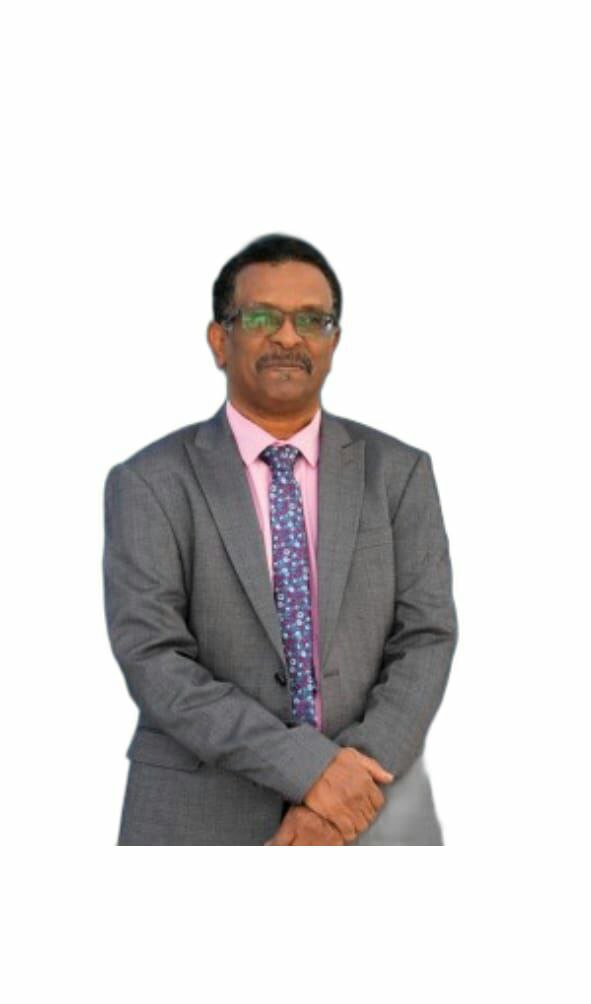
By: Dr. Elsir Ali Saad Mohamed
Academic and Journalist
“When, in most cases, foreign policy is sailing through hostile waters, like in the case of Sudan, it is an understanding of the algorithms and using them to the best that makes a serious difference in international perception and engagement.
Such provisions on algorithmic literacy and transparency place Sudanese policymakers in a better position to navigate global discourse and stiffen their diplomatic strategies.”
—
In the age of digital communications, social media has changed everything about sharing and consuming information. The effect is seismic on the practice of foreign policy; today, both governments and policymakers are forced to navigate endless digital channels. At the very heart of this sea change are the algorithms of social media companies, deciding what content users see and how that travels. The understanding of these algorithms holds the key to understanding the new dynamics of international relations in our digital age.
Social media algorithms use user preferences, behaviors, and interactions to curate information. While personalization enhances user experience, filter bubbles reduce the likelihood of users being exposed to a wide array of opinions. The confining of users in an echo chamber, in which their existing beliefs are further solidified, extinguishes the type of broad and diverse discourse needed for informed public opinion.
By design, algorithms drive the virality of social media toward high-engagement content. This often means sensational, polarizing, or even false information. The emphasis on engagement often means that popular content overshadows the less sensational yet hitherto more important voices, thus skewing public perception and debate.
The use of these algorithms comes with some huge concerns over ethics: major privacy concerns, algorithmic biases, and potential for manipulating user behavior that are quite troubling. Algorithmic bias can further enhance social inequalities and entrench existing prejudices. Content ranking will thus likely focus on amplifying harmful content at the root of many mental health issues and political polarizations.
The foreign policy consequences are enormous. It is incumbent upon diplomatic and political circles to really understand how algorithms shape public discourse. Algorithmic literacy is no longer a choice, it is a necessity. There needs to be advocacy by policymakers for more transparency in how these algorithms function and to adjust their communications accordingly. Public diplomacy needs to be aware of the ways in which digital platforms shape narratives and affect international relations.
This puts the evolving landscape into future research and proactive regulation on the importance of ensuring that social media algorithms do not undermine global public discourse. Policymakers ought to strive toward transparency, adjusting their strategies to address these powerful technologies. In countries like Sudan, where the foreign policy is sailing in hostile waters, understanding the algorithms and utilizing them to the best can make a serious difference in international perception and engagement. By creating conditions for algorithmic literacy and transparency, Sudanese policymakers are better placed to navigate global discourse and stiffen their diplomatic strategies.
The sophistication of managing the influence of social media algorithms makes it required to deal with an age of digital diplomacy. If we are to ensure that such algorithms serve the public good and work to enhance, rather than detract from, the effectiveness of international relations in moving forward, it will be a task of paramount importance.