
Intrigue and Unease of Zoom’s AI Doppelgangers
A Necessary Balancing Act
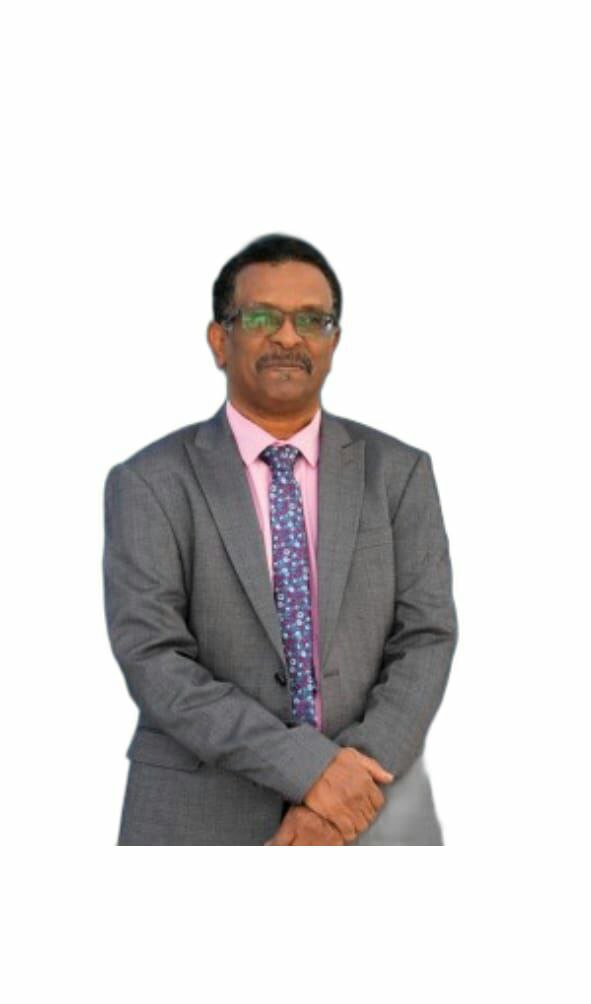
By: Dr. Elsir Ali Saad Mohamed
Academic and journalist
As I peruse bi-weekly what new media, AI, and the remote work revolution enable software vendors to propound, I find the prospect of AI-augmented “digital twins” of ourselves sitting in meetings in our place simultaneously both compelling and sinister.
It’s a productivity nirvana. Picture dodging the drudgery of back-to-back video calls, while your AI doppelganger slavishly attends, takes notes, and even makes pre-programmed decisions. No more meeting fatigue; now, laser focus on the things that really count. Tech like this should just be able to help our workflows be more streamlined, give us extra time, and allow remote collaboration to be a cinch.
Wait a minute here. Can you really trust the outcome of an AI to protect you in these kinds of things, especially when high-stakes decisions are involved? What if your digital twin screws up based on hidden biases in its programming? Who takes the fall then? The potential ethical nightmares are huge here.
Even more than an information exchange, meetings are about relationships, reading nonverbals, and team spirit. Could the same be truly replicated by any AI through those subtle human interactions? Life in that world, led by digital avatars, may turn out strangely alienating and adrift in a sea of cold transactions.
It is in the balance found between them. These kinds of innovations, by no means, should replace human interaction, but they will enhance it. We need AI that empowers rather than replaces us. This means rigorously training our digital twins, subjecting them to constant monitoring to weed out biases, and having clear ethical guidelines. There should also be transparency in decision-making processes and sound data security.
It can be considered the blueprint for a vision—perhaps one of an AI-future for meetings. Let’s make sure it’s not all about the tech glitters, though. Let us be careful to ensure that AI complements rather than takes away from our humanity. Only then shall we develop a work environment that is productive and humanely so—a perfect fit for the digital age that is changing as fast as we are changing it.
Your message has been sent
