
Sudanese University Professors: Between Strikes and the Guillotine of a Decent Living
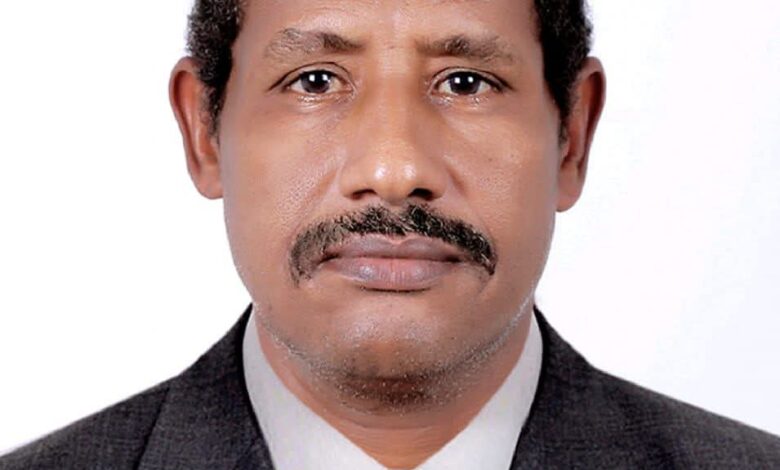
By: Abubakr Mutasim Mohammed
University professors in Sudan have never been merely employees receiving a salary for teaching hours. For decades, they have been guardians of awareness and beacons of enlightenment, from whose ranks leaders and scholars have emerged. Today, however, this venerable institution finds itself facing a fierce battle, not with curricula or lecture halls, but with the guillotine of a decent living, which now threatens both their professional and human existence. Stopping work is a necessity, not a luxury. When a university professor decides to strike, they are not engaging in political posturing or factional unrest, but rather resorting to the last resort. The strike here is a cry of protest against an economic reality that has rendered the salary of a professor who has dedicated their life to scientific research barely enough to cover transportation costs or the basic needs of an average family. The professor finds themselves at the height of a battle to reclaim their dignity, a battle that transcends mere bank account numbers. Professors represent the backbone of the middle class in Sudan. The collapse of this group’s ability to live with dignity simply means stripping society of its intellectual capital. When academics are forced to seek additional work in professions unrelated to their specialization or spend their days chasing bread and fuel lines, we are stifling scientific research in its infancy and transforming universities into mere empty buildings devoid of the spirit of creativity. Caught between the anvil of integrity and the hammer of reality, the Sudanese professor lives a bitter ethical dilemma. On one hand, there is the academic responsibility towards their students, who represent the future of the country. On the other hand, there is the familial obligation imposed by rampant inflation and the collapse of the national currency. This places the university professor in a struggle with several questions: Should they continue teaching with a distracted mind under the current economic pressures?
Or should they stop and make their voices heard by those who have turned a deaf ear to their pleas for their most basic rights?
Or should they succumb to the reality, accepting that their thoughts and efforts will be scattered at the expense of their performance and the future of their families? Answering these questions places the entire state apparatus before a historic responsibility. Neglecting the demands of professors is not merely a financial matter; it is a betrayal of future generations.
The demand for a special and equitable salary structure is not a selfish one, but a truly patriotic act. Securing the financial well-being of university professors means:
* Reducing the brain drain that has depleted Sudanese universities, benefiting neighboring countries and the world.
* Ensuring the quality of education, as professors who are psychologically and financially stable are better equipped to give, research, and innovate.
* University independence and protecting academics from need safeguards the independence of their decisions and protects their knowledge from subservience. In conclusion, there is no nation without knowledge, and any authority that forces university professors to choose between striking or enduring a life of hardship is gambling with the nation’s future. The noose of dependency hanging over the necks of scholars must be lifted immediately, not for the sake of the professor as an individual, but for the sake of the university as a mission and for the sake of Sudan’s dream of renaissance. The dignity of the university professor is the dignity of the nation, and the loss of their rights is the final nail in the coffin of development. Will anyone answer this call before the classrooms become mere shells of their former selves?