
Robotic Talk: The Preservation of Our Cultural Heritage
By: Alaa Babiker
Cultural heritage is the memory of humanity — the bridge that connects our past to our present and guides us toward the future. It includes the traditions, art, music, language, architecture, and values passed down through generations. Preserving this heritage is not only about protecting old buildings or artifacts; it is about keeping alive the identity, wisdom, and spirit of the people who came before us.
Cultural heritage is what defines a community’s soul. It tells the story of who we are and where we come from. From ancient monuments and traditional dances to local crafts and oral stories, every culture carries unique beauty and meaning. Together, these expressions form the colorful fabric of human civilization.
There are two main types of heritage: tangible and intangible.
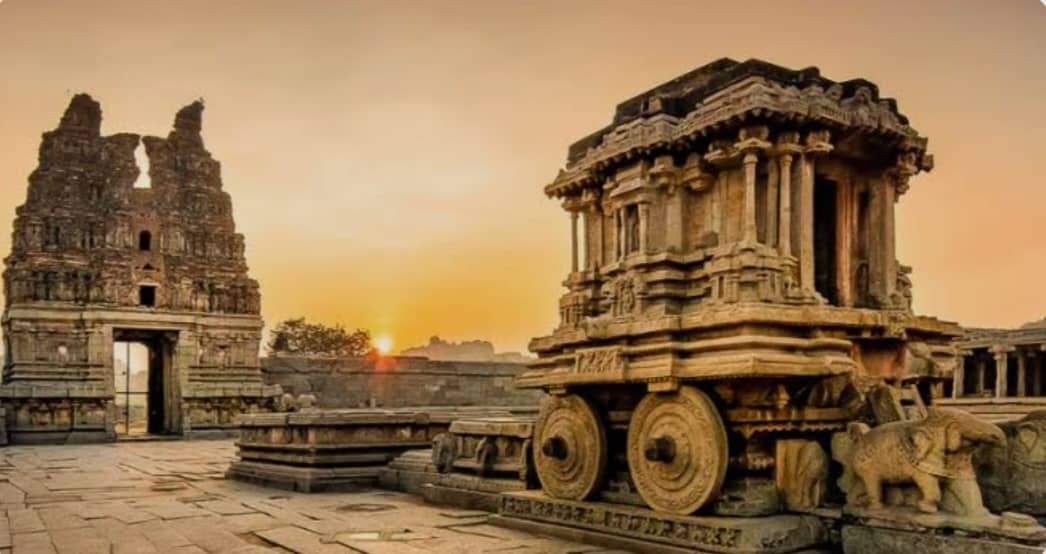
• Tangible heritage includes physical objects like temples, manuscripts, sculptures, and historical cities.
• Intangible heritage includes traditions, languages, rituals, folklore, and skills that are passed on through generations.
Both are equally important, for they give people a sense of belonging and continuity in a changing world.
When we protect cultural heritage, we are protecting identity. In a rapidly globalizing world, cultures can easily blend or disappear. Languages die, traditions fade, and historical sites are lost to modernization or neglect. Each loss weakens humanity’s collective memory — like tearing a page from the book of our shared story.
Preserving heritage helps us:
• Understand history: It reminds us of the struggles, achievements, and values of those before us.
• Inspire creativity: Artists, architects, and thinkers draw endless inspiration from traditional culture.
• Strengthen unity: Cultural pride fosters community spirit and mutual respect.
• Promote peace: When we appreciate the heritage of others, we build tolerance and understanding among nations.
Sadly, our heritage faces many threats. War and conflict often destroy historical monuments and museums. Climate change, pollution, and urban development damage ancient sites and artifacts. Modernization can also lead to cultural loss, as young generations move away from traditional lifestyles.
Globalization, while bringing people closer, sometimes replaces local customs with global trends. When cultural practices are no longer valued or taught, they risk disappearing forever.
The responsibility to protect cultural heritage belongs to everyone — governments, organizations, and individuals alike.
• Governments should enforce laws to protect historical sites and fund restoration projects.
• Communities can pass down traditions, teach local languages, and celebrate cultural festivals.
• Individuals can support museums, learn about their own culture, and respect the heritage of others.
Education plays a vital role. When young people understand the value of their culture, they become its protectors. Modern technology also helps — digital archives, 3D scanning, and virtual museums make it possible to preserve heritage even in the face of physical loss.
International organizations like UNESCO work tirelessly to safeguard global heritage, recognizing sites such as the Pyramids of Giza, the Great Wall of China, and Petra in Jordan as World Heritage Sites — treasures belonging not just to one nation, but to all humanity.
Preserving culture doesn’t mean rejecting progress. In fact, heritage and innovation can coexist beautifully. Traditional music can blend with modern sounds; ancient designs can inspire new architecture; storytelling can thrive online. The goal is not to freeze culture in time, but to allow it to grow while keeping its roots alive.
Every generation must rediscover its heritage and reinterpret it in its own way. That is how culture stays relevant, dynamic, and alive.
Our cultural heritage is the living memory of who we are. It teaches us wisdom, connects us to our ancestors, and enriches the world with diversity and beauty. To preserve it is to honor the past, strengthen the present, and protect the future.
When we safeguard our heritage — through care, respect, and education — we ensure that the stories, songs, and spirit of humanity continue to inspire generations to come.