
Religious Obligations (1/2)
By: Alaa Babiker
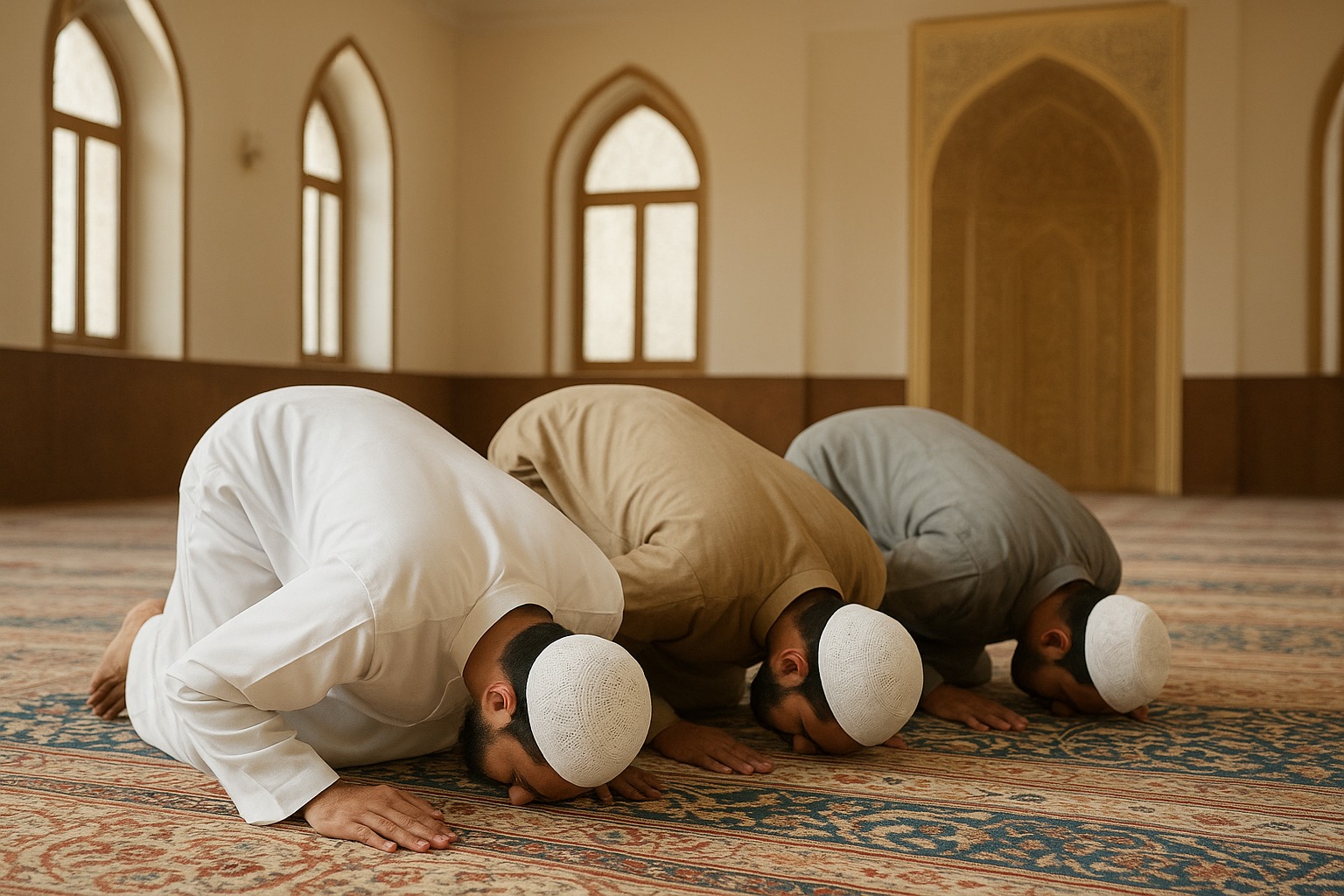
Sudan has always been the hub of strict religious Muslims. Over the history, Islam has been the first and most dominant religion, with more than 95% of the population being Muslin as of recent 2020 statistics, and up to date, Islam is overall increasing in the country regardless of all the other factors that might affect the population.
Religious obligations are the core duties and practices that followers of a faith are required to observe. They serve as guiding principles for living a life of devotion, morality, and discipline. Across different religions, these obligations are designed to strengthen the believer’s connection with the divine, shape ethical behaviour, and foster a sense of community.
The Nature of Religious Obligations:
Religious obligations differ across faiths, but they often share common purposes:
• Worship and devotion – honouring God through prayer, rituals, or acts of remembrance.
• Moral guidance – shaping behaviour to reflect justice, kindness, honesty, and compassion.
• Community responsibility – fostering unity, charity, and mutual support among believers.
• Spiritual growth – nurturing inner peace and closeness to God.
Examples from Major Religions
1. Islam: The Five Pillars of Islam (Shahada, Salah, Zakat, Sawm, Hajj) form the foundation of a Muslim’s faith and actions. These obligations emphasize belief, prayer, charity, fasting, and pilgrimage.
2. Christianity: Obligations include faith in God, love for others, participation in sacraments, prayer, and following the teachings of Jesus Christ. Many Christians are also called to charity and spreading the message of the Gospel.