
Finance Ministry pledges to pay higher education arrears
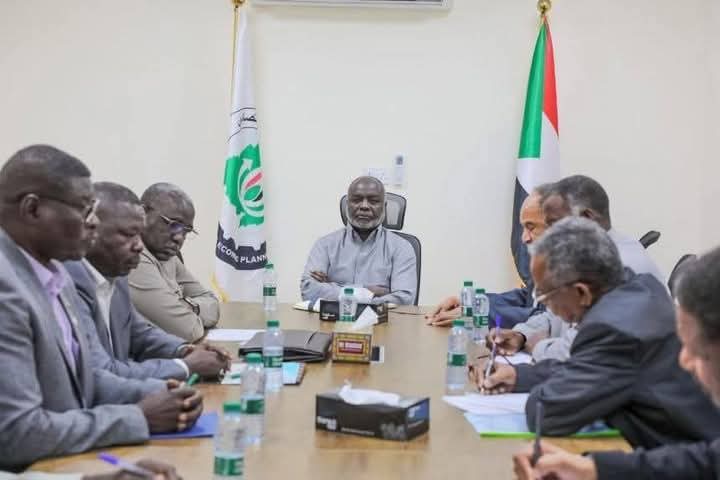
Ministers of Higher Education and Scientific Research, Professor Mohamed Hassan Dahab, and Finance Minister Dr. Gibril Ibrahim, met in the presence of representatives of university professors and leaders of the two ministries at the headquarters of the Ministry of Finance, where the two parties discussed the arrears of higher education on the part of the Ministry of Finance and the dues of those sent abroad to study.
During the meeting, Professor Dahab presented a comprehensive presentation of the impact of the war on higher education institutions and the systematic destruction of their infrastructure, pointing out the commitment of university teaching staff to the academic process despite the partial salaries that they sometimes received, but out of their concern for the academic future of the students, they did not stop.
He also provided an explanation of the suffering of those sent abroad to study and the failure to pay their dues for several months.
The Minister of Finance promised to address arrears and pay the dues of those sent abroad to study, as part of the government’s interest in building the capacities of professors, stressing his ministry’s interest in these issues and their support for ways and mechanisms to develop higher education and scientific research and prepare the required infrastructure for digital transformation in coordination with the Ministry of Communications and relevant authorities, while the Ministry of Higher Education is responsible for providing software for the purpose of developing the educational process.
Dr. Gibril called on the Ministry of Higher Education to prepare a vision for specialized training programs and identify projects with a clear budget in preparation for submitting them to benefit from external funding opportunities allocated to education, especially through the windows of the World Bank and the African Development Bank and coordination with the third party implementing from the United Nations organizations represented by UNICEF, the World Food Program and UNESCO to employ funding according to the country’s priorities.