
Weaponizing Gold: How New EU Sanctions Target Sudanese Sovereignty
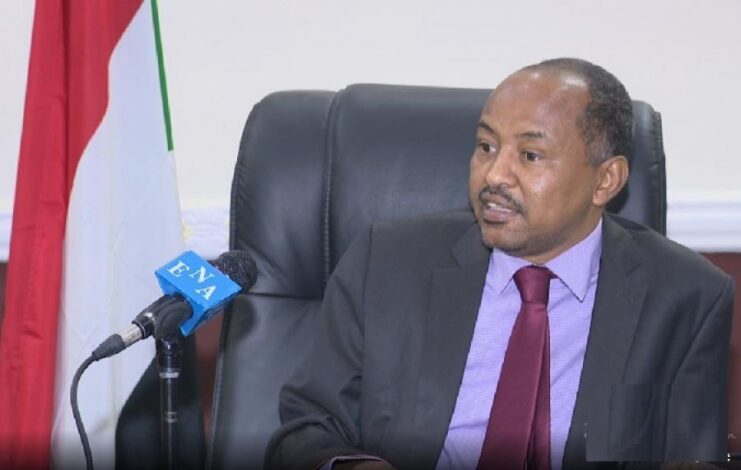
By: Ambassador Mukhtar Bilal Abdelsalam
The European Union recently escalated its geopolitical pressure on Sudan by imposing a comprehensive ban on the purchase, import, and transfer of Sudanese gold. To stifle production at its source, Brussels also banned the export of essential mining chemicals, such as mercury and cyanide.
While this measure is portrayed as a humanitarian effort to deprive warring factions of funding, this aggressive economic maneuver has far-reaching regional and international implications and reveals a troubling double standard in Western diplomacy.
The EU attempts to rationalize the decision in theory, arguing that the conflict that erupted in April 2023 requires significant funding, and that artisanal mining accounts for approximately 80% of Sudan’s gold production. By cutting off access to the chemicals needed for processing, the EU aims to cripple the entire industry. However, the reality on the ground paints a very different picture. Because Sudan does not officially export its gold to European markets, the public treasury will not be directly and immediately affected.
Instead, the real blow will be felt directly by the local economy. Millions of ordinary Sudanese citizens depend on artisanal mining for their livelihoods. By targeting this sector and indirectly prohibiting the purchase of Sudanese gold through third countries, the EU is strangling Sudan’s ability to monetize its assets through intermediary regional markets. This cuts off the main financial lifeline the government uses to import essential goods such as fuel, wheat, and medicine.
What makes this decision particularly controversial is its departure from traditional international sanctions. Historically, Western interventions have sought to isolate rebels and illegitimate actors. In 2012, for example, the UN imposed an arms embargo on the M23 rebel movement in the Democratic Republic of Congo while actively supporting the central government as a legitimate partner. With Sudan, the EU has chosen to sanction the sovereign state apparatus itself, even as the national army struggles to maintain public services and alleviate a catastrophic humanitarian crisis. This “blame-shifting” approach is not entirely new. We witnessed similar European and UN decisions in South Sudan between 2014 and 2018, in Libya after 2011, and in Côte d’Ivoire under Laurent Gbagbo in 2004. In each case, Western powers chose to treat legitimate authorities and rebel forces as equals, systematically dismantling state funding networks under the guise of neutrality.
The fundamental flaw in the EU’s current strategy lies in its refusal to respect national sovereignty. While the Sudanese people and official state institutions view the national army as the legitimate defender of the state against any violent rebellion, the West adopts a one-sided perspective. For Brussels, the sole priority is an immediate ceasefire, even if it means forcing the state to negotiate as an equal with the very rebel forces that ignited the war.
Looking beyond the humanitarian rhetoric, the true political dimensions of these sanctions become clear. This crippling economic blockade is a calculated attempt to weaken Khartoum’s diplomatic leverage. The Sudanese government has already put forward a balanced peace initiative, but at the same time, it has expressed serious reservations about Western-backed peace plans that jeopardize its national sovereignty and post-war arrangements. By denying Sudan access to global gold markets, the West is using financial blackmail to force the government into unconditional compliance.
This decision confirms beyond any doubt that we are still living in an era where the West relies on carrot-and-stick tactics to exert control over developing African nations. By tightening the economic noose while hinting at a gradual easing of sanctions, the EU is using gold not only as a measure of wealth but also as a political weapon to control Sudan’s future.
At the same time, the EU is completely ignoring the massive and unlimited support that Abu Dhabi provides to the rebellion. This complicit silence on the part of European diplomacy continues despite mounting evidence, including United Nations reports, documents from international organizations, field investigations, and warnings from international observers.