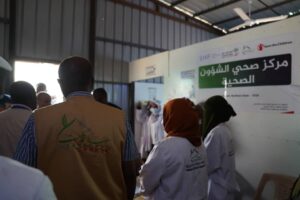
Sadagaat-Canada Strengthens International Partnerships to Attract Support and Localize Humanitarian Work in Sudan.
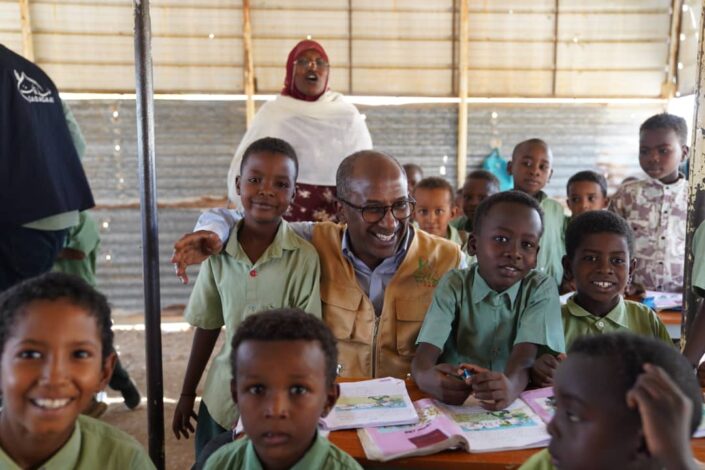
Eng. Elamin Sobair:
“Our vision is centered on attracting larger funding to support recovery and reconstruction in Sudan.”
“We praise the growing role played by the Sudanese community in Canada.”
Khartoum, June 2026
Sadagaat-Canada continues to strengthen its presence on the international humanitarian scene by expanding its network of partnerships with global organizations and institutions. This move aims to attract more funding and support for humanitarian and development programs within Sudan, building on the growing trust in the field performance of the Sadagaat Charity Organization on the ground.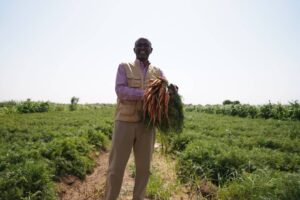
Within the framework of its strategy to expand the umbrella of humanitarian aid and develop crisis response mechanisms, Sadagaat-Canada has successfully built effective alliances and partnerships with several prestigious international institutions. These include International Development and Relief Foundation (IDRF), Droplets of Mercy, Hands for Charity and Other support organizations in Canada.
These alliances have helped attract high-quality funding to support humanitarian interventions in Sudan.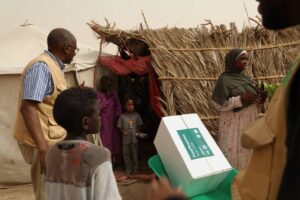
Sectors and Implementation
This support is directed toward funding an integrated package of emergency programs and sustainable development projects. These cover vital sectors such as:
* Food security and feeding programs
* Water, sanitation, and hygiene (WASH)
* Healthcare services
* Education
* Support for the most vulnerable groups affected by conflict and displacement
The Sadagaat Charity Organization in Sudan handles the field implementation of these projects through specialized national personnel and offices spread across several Sudanese states. This ensures rapid response, efficient execution, and direct reach to the communities most in need.
This integration between Sadagaat-Canada and Sadagaat in Sudan reflects an advanced model of what is known as the “localization of humanitarian work.”International resources are directed toward national institutions that possess local contextual knowledge and the capacity to lead recovery and reconstruction operations in a more sustainable and impactful manner.
Statement by the Chairman
In a press statement, Eng. Elamin Sobair, Chairman of the Board of Directors of Sadagaat-Canada, stressed that the complex humanitarian crisis in Sudan has placed doubled responsibilities on the organization to act internationally and exert greater efforts to mobilize support for those affected.
Eng. Sobair stated that over the past period, the organization has worked to establish its presence as a trusted partner for donors and as a genuine voice reflecting Sudan’s needs in international forums. He noted that building strategic relationships with global partners represents one of the core pillars of the organization’s vision.
“Our pride at Sadagaat-Canada stems from our success in building strong partnerships with prominent international institutions,” Sabir added. “These partnerships do not just represent financial support; they reflect growing confidence in the operational model we provide and in the efficiency of Sadagaat’s field execution in Sudan.”
He explained that the impact of these partnerships is directly reflected in the lives of thousands of dignified and displaced families, as fundings are translated into tangible projects that provide food, water, healthcare, and basic services in affected areas.
Future Vision: From Relief to Development
Eng. Sobair pointed out that the future vision of the organization is based on expanding the international partnership base and attracting larger funds. This will enable Sadagaat-Sudan to transition from the emergency response phase to the sustainable development projects phase.
He confirmed that the upcoming phase will see a greater focus on reconstruction programs, especially in core service sectors. This includes:
* Rehabilitating damaged hospitals and schools
* Developing clean water sources
* Supporting farmers and small producers to enhance local production and achieve community stability
He also praised the growing role played by the Sudanese community in Canada, describing them as an authentic partner in the organization’s efforts, owing to the material and moral support they provide, which helps enhance the institution’s capacity to expand its humanitarian interventions.
He concluded his statement by emphasizing that investing in the Sudanese people is a top priority, stressing that the ultimate goal of these efforts is to empower communities to remain resilient and restore the foundations of a dignified life.
“Today, we are working with our partners to provide the necessary resources to enable our teams inside Sudan to fulfill their humanitarian mission, giving our people a real opportunity for recovery, resilience, and building a better future for generations to come.”
Conclusion
The experience of Sadagaat-Canada stands out as a growing model for linking international humanitarian work with national capacities. This approach enhances response efficiency and establishes a more effective phase in Sudan’s recovery and reconstruction path, at a time when the need for sustainable international partnerships that match the scale of current humanitarian challenges is steadily increasing.