
Federal Health Minister Directs Focus on Priority Rapid Interventions to Combat Ebola and Cholera
Health situation reports in Sudan indicate a decline in dengue fever cases across most states, particularly in Khartoum, River Nile, and Northern states, while a relative increase has been observed in White Nile State. The reports also show a decrease in measles cases in the states affected by the disease, while cholera cases continue to be reported in West Kordofan.
According to the Surveillance and Information Report presented during the weekly meeting of the Federal Emergency Operations Center at the Ministry of Health headquarters, covering the epidemiological week of May 23–29, malaria cases have continued to decline. The report noted ongoing cases of Hepatitis E in Gezira State, while meningitis cases were recorded in Khartoum, Gezira , and South Kordofan states. Cases of heatstroke were also reported at the Argeen border crossing.
The Response Report highlighted that an emergency meeting was convened following the cholera outbreak in West Kordofan, leading to the dispatch of supplies from partner organizations and interventions across several response areas. The report further indicated that an urgent preparedness plan was developed to address the Ebola threat following outbreaks reported in the Democratic Republic of the Congo and Uganda. Isolation centers are being established in Khartoum, White Nile, and Red Sea states.
The Environmental Health Report stated that states have implemented campaigns to dispose of sacrificial animal waste, while federal activities continue, including vector control operations inside and outside homes at various stages, in addition to routine food safety inspections.
Results from entomological surveillance for dengue fever and malaria showed a decline in positive indicators at monitoring stations in Khartoum and Gezira following vector control campaigns.
The Health Promotion Report highlighted activities in West Kordofan carried out in collaboration with KAFA Organization, including the development of Ebola awareness messages in coordination with quarantine authorities and the preparation of a public awareness plan.
The Supply Report revealed disparities in the availability of epidemic-related medicines and medical consumables in state warehouses managed by the National Medical Supplies Fund. However, improvements were noted in the availability of malaria and dengue fever medications, alongside UNICEF support to several states.
Regarding precautionary measures to prevent the entry of Ebola into Sudan, the Quarantine Report outlined several actions already implemented, including preparedness and response planning, dissemination of guidance to the Civil Aviation Authority and the Ministry of Transport, and provision of some personal protective equipment.
The report identified urgent needs, including screening devices, awareness materials, and additional support for Khartoum and Port Sudan airports, as well as the Joda and Al-Muqayniss border crossings. It also revealed that 33,342 individuals had voluntarily returned through Argeen and Joda crossings by epidemiological week 17.
The National Public Health Laboratory reported that reference laboratories have been designated for Ebola testing and that requirements have been submitted to the World Health Organization. The laboratory confirmed its readiness to conduct necessary testing.
The Directorate General of Health Emergencies in Khartoum State also presented its weekly epidemiological report, response interventions, event-based surveillance activities, and monitoring of travelers arriving from Uganda.
The meeting further reviewed an assessment report on response interventions to the Hepatitis E outbreak in Blue Nile State.
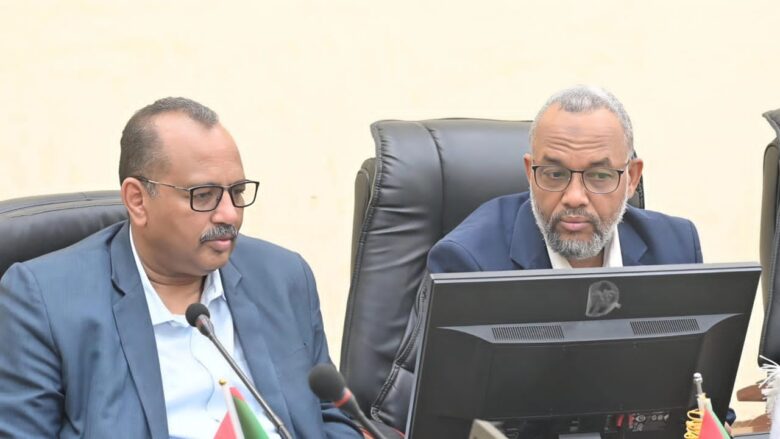
For his part, Federal Minister of Health Dr. Haitham Mohamed Ibrahim directed health authorities to prioritize rapid interventions for Ebola and cholera, stressing that the situation requires intensified efforts and increased involvement of partner organizations in West Kordofan. He emphasized the need for close monitoring of travelers arriving from Uganda and the Democratic Republic of the Congo.
The Minister also called for an inventory of available rainy season preparedness supplies and identification of shortages to facilitate timely procurement. In addition, he instructed that the laboratory’s requirements be addressed to ensure that all necessary diagnostic tests can be conducted within Sudan.