
Conclusion of the TOT Workshop on Non-Communicable Disease Guidelines
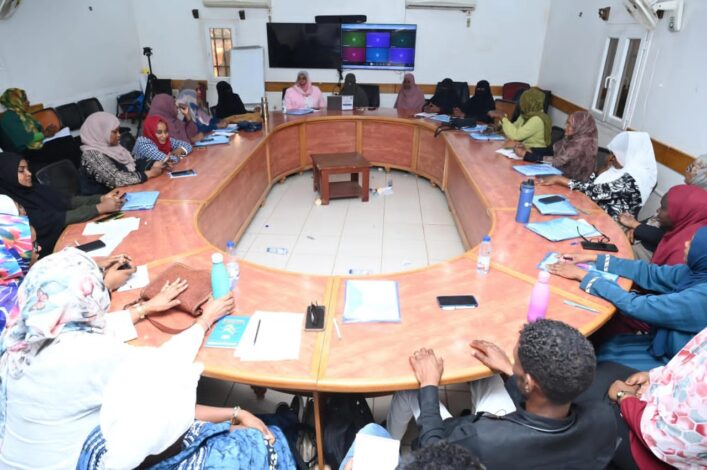
The Non-Communicable Diseases (NCDs) Department of the General Directorate of Primary Health Care concluded today a six-day Training of Trainers (ToT) workshop on NCDs guidelines at the Nutrition Hall of the Federal Ministry of Health in Khartoum. The workshop was organized in collaboration with the World Health Organization (WHO) and brought together participants from 12 states under the slogan: “Standardizing Practice for More Efficient Health Care.”
Dr. Asmahan Al-Khair, Acting Director of the General Directorate of Primary Health Care, described the training as highly specialized and significant, noting that it focused on NCD guidelines, which represent a major burden on the health system. She emphasized the need for a unified vision and coordinated efforts to strengthen services for NCDs, which continue to suffer from limited resources. She affirmed the Directorate’s commitment to mobilizing support from both the federal government and development partners, including international organizations.
Dr. Al-Khair encouraged participants to take advantage of available opportunities to secure additional support and reaffirmed the Directorate’s backing of the plans developed during the workshop. She urged trainees to transfer the knowledge and skills acquired to their respective states and colleagues, thereby contributing to improved service delivery and ensuring equitable access to health services.
Dr. Zeinab Al-Rayeh, Director of the NCDs Department, stated that the training aimed to strengthen the response to non-communicable diseases and ensure that services reach those who need them most. She highlighted the importance of knowledge-sharing, experience exchange, and equipping participants to train health workers in their states, ultimately enhancing the quality of care. She expressed her appreciation to the facilitators, the leadership of the General Directorate of Primary Health Care, and the World Health Organization for their support and cooperation.
For her part, Dr. Nahaa Saleheen, representative of the World Health Organization, described the training as an important step toward strengthening the capacities of the health system. She noted that the growing number of people living with NCDs presents a major challenge and places a significant burden on health services, requiring a comprehensive and integrated approach. She reaffirmed WHO’s commitment to supporting Sudan’s health sector, including efforts related to non-communicable diseases.
Representing the participants, Dr. Rehab Al-Zein stated that the workshop came at a critical and timely moment, particularly in light of the challenges and disruptions caused by the ongoing conflict. She stressed the need for updated clinical protocols and continuous training to ensure the provision of high-quality services. She added that participants had developed ambitious plans to replicate the training in their respective states.
Meanwhile, trainers Dr. Suad and Dr. Dina commended the participants for their dedication and commitment to achieving the workshop’s objectives. They described the training as a promising beginning that will contribute to advancing and strengthening Sudan’s health sector.