
Mobile Phones and the Digital Wars of the Future
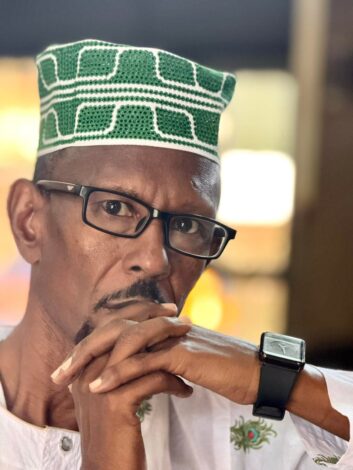
Dodi Kajam
Television director and professional mobile journalism trainer
General Introduction…
The world has been undergoing a natural evolutionary transition from the age of tradition to the digital realm, driven by advancements in information technology and the rapid pace of change. This acceleration in the digital world has sparked a major revolution in modern media. The open space has been dubbed “cloud space,” and the transfer of information has become faster than the human mind can imagine. This has led to significant advancements in various media fields, including production, transmission, reception, influence, and transformation. The shift to the digital space and the transformations of interactive digital media, particularly visual media, with its impact on images and their ability to shape the viewer’s mindset and evoke their desires and aspirations for a better future, has produced a visual media phenomenon with a powerful influence. This is achieved through mobile applications and new social media platforms, giving rise to the term “mobile journalism” or “citizen journalism,” recognizing the citizen as a partner in the creation, reception, and dissemination of news across the open and shared digital space.
However, those interested in new media and its developments have found that the creator of impactful news must always be a professional, capable of exerting influence from the perspectives of professionalism and media credibility, while maintaining the purity and quality of the image in its final transmission across the digital sphere. This is especially true given the presence of social media platforms on the internet, satellite channels via the web and the internet, and the shift towards handheld television through real-time viewing of events on mobile phone screens.
This term, associated with the handheld mobile device, has significantly impacted visual media creators, reflecting the changing structure of human society. This has presented a new challenge in keeping pace and transitioning to the digital sphere of influence. The mobile phone is no longer just for chatting and communication; it has become an effective media tool for influencing and changing modern societies. Therefore, the transition to mobile journalism requires us all to learn and acquire mobile production skills, including photography, editing, storytelling, selecting impactful tools, analyzing and measuring the content of media images received by users on digital media platforms, and how to deal with them in a constantly evolving world characterized by modern technology and the rapid pace of global development in all fields. These changes in the new media landscape marked a significant milestone in technological development, prompting those interested in information selection and the rapid pace of events to fully embrace new (electronic/digital) media, considered more influential and responsive to the evolving landscape of modern media. Media institutions also focused on building the capacity of their staff to keep pace with the rapid advancements in the field. Investing in human resources became a key factor in keeping up with and developing television, given that media has become a dynamic industry driven by the accelerating pace of life, the evolution of reception and transmission methods, and the selection of impactful and transformative content in a highly competitive environment.
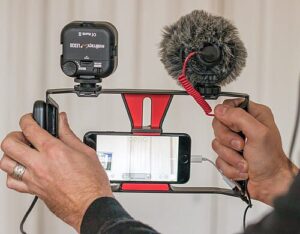
Training and capacity building are among the most crucial elements for the success of media institutions; without them, channels become uncompetitive and lose their appeal to live audiences.
Interactive media is no longer to be underestimated in the context of change and its impact on societies in all aspects of life, whether political, social, or economic. The mobile phone has become an effective tool for change and influencing public opinion.
The role of mobile journalism in mobilizing the public and shaping public opinion has become very clear.
It is evident that the phone is no longer just a means of communication; it has acquired a new and more effective function: television production.
Many satellite channels have focused on mobile journalism, which has been termed “Mojo” as a future technology in media production.
Few use mobile journalism technology professionally for live broadcasting. Therefore, media professionals and their institutions must pay attention to mobile journalism, train their staff, and equip them with the skills to produce reports and films so they can compete in the future of media.
Mobile journalism, as a science, skills, and technology, shapes the future of media, especially interactive media.
(Simple tools and effective skills make you a professional journalist)
@ Mobile Phones and the Sudanese War!!
Mobile phones have played a significant role in global warfare, influencing public opinion, shaping international policies, shaping public perception, impacting psychological and emotional inclinations, and projecting the strength of combatants, their capabilities, and the potential for decisive battles on social media platforms and news channels before the actual fighting on the battlefield.
Drone Warfare and Cyber Warfare
Remote control via mobile phone technology has played an increasingly prominent role in drone warfare, prompting military technology companies to focus on integrating mobile phones into functions beyond communication, photography, and production. These functions include remote combat through the control of drones, a crucial combat unit that can be decisive in battles and minimize casualties for those with the upper hand.

A visual report on the internet indicated that Russia benefited from drone warfare in its war against Ukraine, making it a very important element in military operations. Consequently, the mobile phone has become a control device playing a significant role in global warfare.
@ The Phone and Documenting War Violations…
The Khartoum War, and indeed the Sudanese War in general, was not immune to the influence of technological media warfare. The phone was used in the Sudanese conflict from a media perspective, as much of the media message was delivered via the phone, which served as the decisive tool in shaping the awareness of those following the events of this war.
Mobile journalism became a crucial factor for some journalists who possessed the skills to use phones. Television production served as a medium and channel for broadcasting quality content through social media platforms and the internet. Furthermore, citizen journalism became an important element in this war, particularly in documenting human rights violations committed by combatants against civilians or prisoners of war. This documentation also served as evidence of human rights violations before the United Nations and international organizations.
Many of those interested in current political events discuss political issues on social media platforms and satellite channels without analyzing and measuring the media impact of mobile journalism. They forget that what is captured by a mobile phone camera is a fundamental element in influencing issues and their stability or change, thus becoming a very important factor in the future of global and regional conflicts. Images (videos and photographs) captured by a phone camera are a fundamental element in the process of future planning, through their analysis, measurement, and assessment of their impact on both the average user and the active participant across various digital platforms.
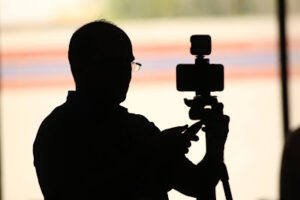
@ The Future of the Phone and the Changes of the Era…
In my personal opinion, we must pay attention to the concept of mobile journalism as a means, tool, and platform for digital broadcasting within the structure of media institutions. Those with specialized knowledge and expertise in communication must analyze and measure the visual impact of content produced via smartphone applications, especially now that we live in an age of digitalization.
Media content creators must focus on acquiring the skills to use mobile applications to produce content professionally. This will enable them to follow events and transmit them in real time, allowing them to surprise and influence the audience through social media platforms.
The state, represented at the highest levels, must pay attention to digital media and the changing tools for producing impactful images. It must establish a framework and rules to govern the open space for production that contributes to building a comprehensive and cohesive nation. This is especially important given the influx of mobile content across open platforms, the lack of self-censorship by content creators, and the absence of professionalism and ethics in broadcasting, handling, and sharing content within the shared production triangle (influential creator, active publisher, and harmful publisher). Therefore, it is essential to control the impactful visual product across satellite channels and various digital platforms.