
A Network of Suspicious Documents: African Passports in the Hands of Militia Members
By: Staff Reporter
In a development revealing alarming dimensions of the regional role in the Sudanese conflict, reports and documents surfaced in early 2026 indicating the involvement of neighboring countries in facilitating the movements of rebel militia leaders and members by granting them official passports. This occurred despite these countries’ awareness of these leaders’ extensive record of violations amounting to war crimes and crimes against humanity within Sudan.
Details of Passport Issuance… A Map of Regional Involvement
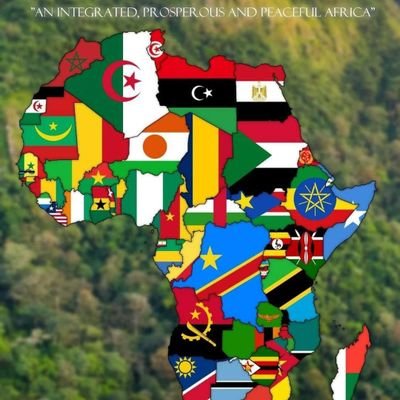
The available information indicates that at least three countries—Kenya, Chad, and South Sudan—were involved in this process, granting passports to a number of rebel militia leaders in a move that sparked widespread shock.
For example, Al-Qoni Hamdan Dagalo Musa obtained a Kenyan passport, a fact revealed by data from the US Treasury Department’s Office of Foreign Assets Control (OFAC). The Standard newspaper republished the details, confirming that the matter goes beyond mere leaks and is documented in official international records. In South Sudan, reports indicate that passports were granted to Mohamed Mukhtar and Joseph Teka, both figures associated with the rebel militia, raising questions about the nature of the political cover Juba provided for these movements.
In Chad, reports have surfaced of passports being issued to a number of leaders, including Al-Qoni Hamdan Dagalo and others, in what appears to be a direct facilitation of their movement across the border.
Implications that cannot be ignored: This geographical distribution of passport issuances does not appear isolated or random. Rather, according to observers, it reflects a pattern of organized facilitation that grants rebel militia leaders the ability to move and reposition themselves, at a time when these leaders are subject to international sanctions and prosecutions related to serious human rights violations. Furthermore, the inclusion of some of these names on sanctions lists, most notably the brother of rebel militia leader Mohamed Hamdan Dagalo, makes granting them sovereign travel documents an administratively unjustifiable step. Politically, it is interpreted as a blatant disregard for international obligations.
Issuing official passports to rebel militia leaders accused of widespread violations against civilians is not merely a breach of diplomatic norms; it amounts to granting sovereign cover to individuals implicated in crimes against humanity. These documents are not simply travel papers, but rather tools that enable their holders to evade restrictions and continue moving freely within a regional space that is supposed to reject such violations.
The continuation of these practices places the countries involved—Kenya, Chad, and South Sudan—in direct confrontation with their legal and moral responsibilities and raises suspicions of complicity with parties accused of committing serious crimes. In light of this reality, silence or justification is no longer acceptable. Rather, it has become imperative to open transparent investigations and hold accountable all those who contributed to turning sovereign passports into a cover for the movements of the rebels, at the expense of the blood of the victims in Sudan.