
Promising Investment Opportunities in Sudan After the End of the War
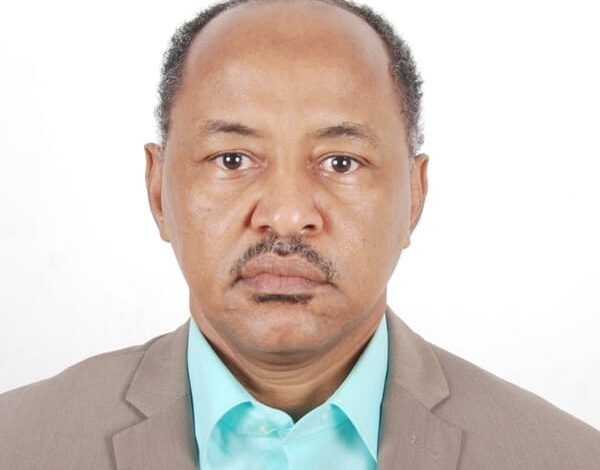
By: Ambassador Mukhtar Bilal Abdelsalam
Last January, Prime Minister Dr. Kamil Idris arrived in Khartoum, accompanied by some of his ministers. This marked the return of the government of hope to the capital and the resumption of its official activities. The Governor of Khartoum, Ahmed Osman Hamza, also arrived in Bahri, along with several ministers, state officials, and a group of citizens. Addressing the gathering at Al-Kadaro Square in Bahri, Dr. Kamil Idris officially announced the government’s return to Khartoum. On this occasion, he praised the patience, sacrifices, and patriotism of Khartoum’s residents and heralded the imminent victory of the Sudanese Armed Forces in regaining control of the entire nation.
Observers of Sudanese affairs note that Dr. Kamil Idris is actively engaged in restoring essential services, particularly in the health and education sectors, and improving access to electricity and water. He also pledged to guarantee security and improve living conditions for citizens, and to support the return of universities to their normal operations. The Prime Minister declared 2026 the “Year of Peace,” promising to achieve development and national reconstruction. In fact, Sudan is expected to become a promising investment destination by 2026, once the security situation stabilizes. Reconstruction needs to cover a wide range of sectors. Targeted sectors include infrastructure, agriculture, and mining. The International Monetary Fund projects economic growth of 8.8% in 2026, presenting a favorable investment opportunity.
In this regard, Turkey will host a major conference on the reconstruction of Khartoum State on February 14th, with the participation of more than 200 Turkish organizations and international figures. This conference is part of efforts to support recovery and rehabilitate vital facilities damaged by the armed conflict. The Turkish delegation that visited Khartoum State last January announced directives from President Recep Tayyip Erdoğan to support Sudan’s reconstruction.
It is worth noting that certain sectors will be of utmost priority for the Sudanese government at present, foremost among them reconstruction and infrastructure. For example, Khartoum State alone is suffering from an unprecedented deterioration in basic services due to the systematic looting and destruction of electricity infrastructure, water stations, universities, and markets, making reconstruction a major challenge for the current government.
In addition to rebuilding what the war destroyed, investment opportunities also include the development of ports, railways, and air transport. The Ministry of Transport recently announced that Saudi companies will be given priority in developing ports and logistics zones. Promising opportunities also exist in the water and energy sector, where investment can be made in damaged water stations and electricity networks, with a strong focus on solar energy and off-grid energy solutions. Citizens resorted to these alternative solutions throughout the war, as the Rapid Support Forces militia deliberately sabotaged state institutions on a large scale and stole copper and power stations.
Agriculture is the backbone of the Sudanese economy, representing more than 60% of its size. Even in the current situation, the agriculture and livestock sector is still seen as the fastest path to economic recovery. The Minister of Livestock and Fisheries, Ahmed Al-Tijani Al-Mansouri, recently announced anticipated investment inflows of $121 billion in the agricultural sector. These funds are intended to finance strategic projects in the livestock, poultry, and aquaculture sectors. The plan includes 37 strategic projects, among them integrated livestock production cities in various states, aimed at restructuring the sector and boosting exports.
Revitalizing large-scale agricultural projects and expanding both horizontally and vertically, along with utilizing modern production methods, will increase output, especially given the promising agricultural sector with 60 million hectares of uncultivated arable land. Statistics indicate that only 25% of this arable land is currently under cultivation. The current economic downturn presents a suitable opportunity to launch a major agricultural renaissance, adopting the right approach by prioritizing agriculture as a catalyst for economic growth in other sectors.
Following this, industry becomes indispensable for economic development. Investment opportunities in this sector include agro-processing, livestock value chains, and agricultural modernization. Sudan also possesses vast, largely untapped natural resources, with promising opportunities in the exploration and development of copper, silver, chromium, and zinc mines, in addition to gold mining, of which the country is the third largest producer in Africa.
Investment opportunities extend to the industrial and service sectors, including pharmaceuticals, consumer goods, and vocational training. Furthermore, the government, operating from Khartoum, has pledged to improve the investment climate and offer incentives to investors, and is working with international organizations to boost the economy and attract foreign investment.
Sudan’s current population is approximately 50 million. This makes it a promising market and investment opportunity in areas such as developing telecommunications infrastructure, expanding transportation networks, establishing commercial and logistics hubs, and investing in tourism and technological development. Despite current economic challenges, Sudan stands out as one of the most promising markets in the region for financial technology and digital services, driven by a significant financial inclusion gap and an ambitious youth population. Key investment opportunities lie in the digital financial services (FinTech) sector, including e-wallets and digital credit, remittances, payment and collection gateways, mobile application development (such as government services), e-commerce and logistics, digital investment, and technological infrastructure (such as cybersecurity, data centers, and agent networks). Market statistics and indicators (early 2025) suggest that mobile phone penetration has reached approximately 20 million users, while internet penetration has reached 14.6 million users, representing a penetration rate of 28.7%. The fintech sector currently comprises more than 10 major companies and is a resilient and scalable sector. Existing challenges include currency volatility risks, conflict-damaged infrastructure, and the ongoing need for the Central Bank of Sudan to develop regulatory frameworks—issues the current government is working to overcome. While the challenges remain significant, the opportunities and hopes are even greater.