
SAF between the Test of the State and the Opportunity for Comprehensive Peace
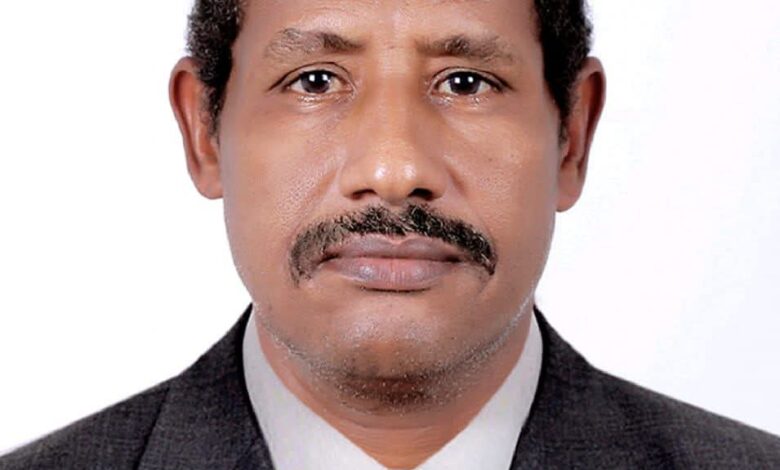
By: Abubakr Mutasim Mohammed
There is no doubt that Sudan today stands at a pivotal moment, where the will to build a state intersects with the complexities of a war that extends beyond the battlefield.
The Sudanese army is not merely engaged in a military confrontation; it faces the very test of the state itself: how to end the rebellion, prevent the disintegration of society, and pave the way for a comprehensive and sustainable peace.
The first challenge lies in the complexity of the national landscape, where the fragility of the political structure, the multiplicity of decision-making centers, and the depth of social wounds are compounded by a depleted economy and a collective memory burdened by the accumulation of past grievances.
In this context, the army operates within an environment of sharp polarization, where the military battle is inseparable from the battle for public awareness and trust-building.
The situation is further complicated by regional and international pressures and the entanglement of interests, necessitating a robust diplomatic effort, grounded in reasoned argument and evidence, to uncover the nature of the rebellion and its sources of support.
Nevertheless, this moment is not without genuine opportunities. The foremost of these is the rallying of society, across its diverse spectrum, around the armed forces in pursuit of a state-led peace, not a militia-driven peace. This approach grants the army moral and political support if it is effectively utilized within a progressive strategic vision. This vision must be based on accumulated experience, avoid fragile deals, and, secondly, on public trust in the army’s professionalism and patriotism. This is contingent upon the army remaining a guarantor of the political process, not a substitute for it, and maintaining a clear distance from polarization.
The third opportunity lies in dismantling the war economy by drying up sources of illicit funding, combating smuggling, and confining weapons to state institutions. Without ending the economy of violence, no peace can endure.
Comprehensive peace is certainly not solely a military decision. The post-conflict phase is the most challenging, requiring genuine civilian partnership and efficient transitional options with clear mandates.
These options must contribute to building a fully integrated state that incorporates qualified personnel from all segments of society, transcending tribal and political divisions. This will lead to security reform that is inclusive, not exclusionary.
A state that defies the possible and the impossible is one that recognizes the limits of power and invests in the power of opportunities to build a state based on sound and systematic planning that places the state at the center of compelling power.
The international community must support the state, not militias, and back efforts to dismantle the war economy. It must also press for a purely Sudanese political process that respects the country’s unity and sovereignty.
The current opportunity is unique; it must either be seized to build a unified, institutionalized state, or squandered, with the entire nation paying the price.