
Sudanese-American Physicians Association (SAPA) leads initiatives to rescue health institutions
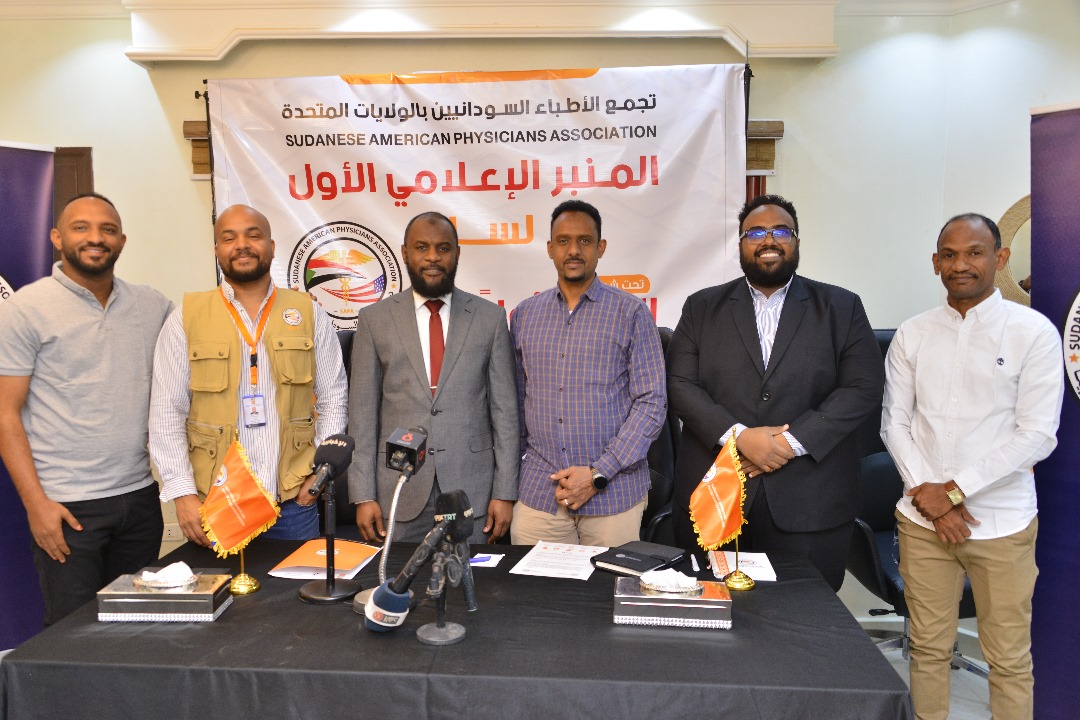
Khartoum – Omdurman / The Citizen
The Regional Director for Africa for the Sudanese American Physicians Association (SAPA), Dr. Mohamed Al-Amin, revealed a partnership with the Federal Ministry of Health, Khartoum State, and other partners aimed at supporting the health system. During the first media platform of SAPA, he said that the ‘SAPA priorities are represented in a number of axes, focusing on reconstruction and achieving justice in the provision of services.
The Regional Director pointed out that the restart of health institutions represents the biggest challenge, in addition to the migration of health workers, noting that there is a large deficit. He stressed the need to encourage and retain existing cadres, as well as to encourage migrant cadres to contribute to the reconstruction and support of the health system through initiatives and visiting medical missions.
Dr. Mohamed Al-Amin, stressing that resources needed to be mobilized with further efforts and noting that SAPA had offices in Chad and Uganda.
Dr. Faisal Ahmed Al-Nour, Country Director of the Sudanese Physicians Association (SAPA), stated that the most difficult phases the country has gone through have been documented, and SAPA has been a witness to them. It has not hesitated to provide services and restore what has been destroyed by the war as a moral obligation aimed at supporting the health system through collective action.
The Country Director emphasized that they stand with the people and continue to provide support and services, noting that Sudan is capable of rising and restoring what was destroyed by the war. He revealed a strategic vision aimed at reconstructing and rehabilitating all health institutions in Sudan, as part of the organization’s efforts to strengthen the health system in the country, especially in light of the current exceptional circumstances.
Dr. Al-Nour explained that SAPA started its activity in Sudan in 2019, in conjunction with the Corona pandemic in 2021, where it provided direct support to the Federal Ministry of Health by supplying oxygen and urgent medical needs. With the outbreak of war on April 15, 2023, the organization intensified its humanitarian interventions, especially in Khartoum State, where it supported Al-Nu, Saudi , and Al-Bulk Children’s Hospitals, which had stopped working due to the departure of medical staff. Saba also provided obstetrics and gynecology services and performed free surgeries.
In June of the same year, SAPA established its first office in Gezira State in the city of Wad Madani, where it set up a hospital for displaced people and provided free services, including fixed and mobile clinics. With the militias overrunning the city of Wad Madani, the organization moved to Port Sudan and expanded its services to include the states of Khartoum, Gedaref, and Gezira.
Dr. Al-Nour pointed out that SAPA has moved from providing direct services to supporting the health system through partnerships with the Federal Ministry of Health and state ministries, in cooperation with UN organizations such as UNICEF and the World Health Organization. These efforts included funding the Ministry’s activities, training and qualifying medical staff, and providing health services in the states of Sennar, White Nile, Gedaref, and the Red Sea.
Dr. Al-Nour stressed that SAPA is one of the few organizations that work in the field of development in addition to humanitarian work, as its interventions are not limited to providing services or supporting cadres, but also include the rehabilitation of hospitals and improving the work environment in them, as happened in Al-Bulk, Al-Fath, Al-Shaheed, and other facilities that were under siege.
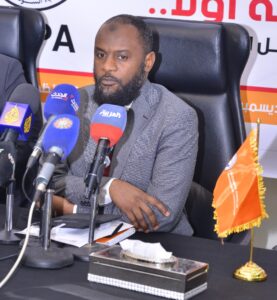
Kabashi Hashim, Programs Associate Director at SAPA, said that Sudan is experiencing a displacement crisis due to the effects of the war, describing it as a forgotten war globally , explaining that t
SAPA works on a number of axes, including health, protection, emergencies, water, environment, and food support.
The WHO has implemented 35 projects since the beginning of 2026, he said, noting that the WHO provides health services through mobile clinics, as well as water , food, and psychological support to communities affected by war and conflict.