
Understanding Sudan’s Greatest Tragedy
By: Alaa Babiker
War in Sudan has shaped the course of human history for hundreds of years to come. It has built empires and destroyed civilizations, brought innovation and caused devastation, united people in courage and divided them in hatred. It stands as both a symbol of human power and a reminder of human weakness. To understand war in Sudan is to explore one of the deepest contradictions of our existence — our capacity to create and to destroy at the same time.
The Roots of the Conflict: The war does not begin instantly. Long before the first shot is fired, tensions merge beneath the surface. Political clashes, competition for land, resources, economic inequality, and clashing ideologies often plant the seeds of conflict. For sometimes, the war was born out of fear — the fear of losing power, freedom, or identity. And at the same time, it grew from greed — the desire for dominance, wealth, or revenge.
In ancient times, wars were fought for survival and territory. But now, they are often fought over ideals — democracy versus domination, freedom versus control, justice versus oppression. Yet, beneath every noble justification lies a painful truth: when dialogue fails, humanity resorts to violence.
Behind every statistic of war that is happening in Sudan are real people — families who lose everything, children who grow up too soon, soldiers who return changed forever. The destruction of war is not only physical but emotional and psychological. It tears apart societies and leaves deep scars that last for generations.
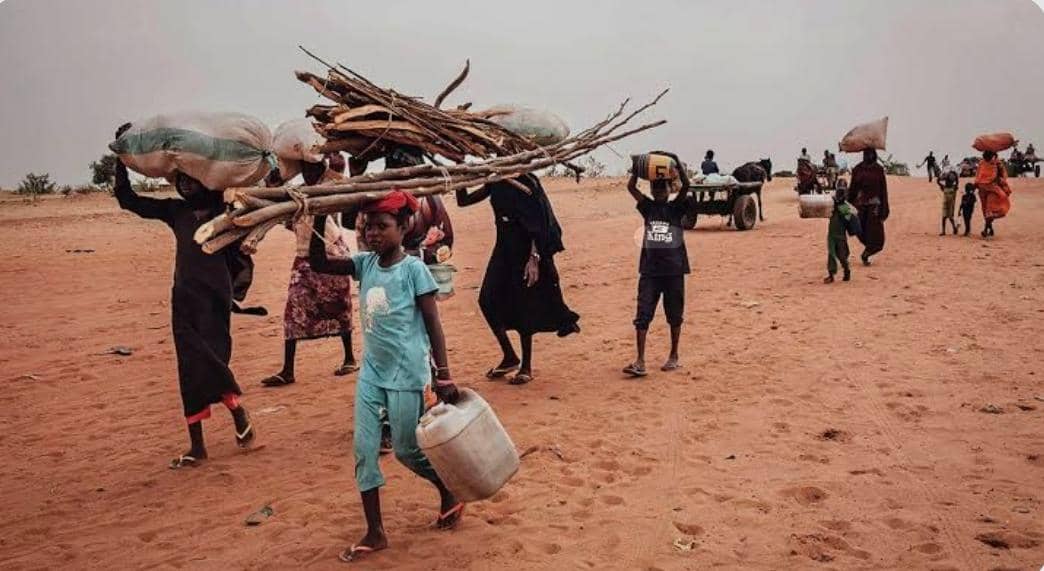
In Sudan; cities that once thrived with culture and life are reduced to ashes. Farmers became refugees. Parents buried their children. In the noise of explosions and the silence of grief, the true cost of war was revealed — not in victory or defeat, but in the pain it leaves behind.
The trauma of this war does not end when peace is declared. It remains in the memories of those who survived — in nightmares, in loss, in the quiet moments when they remember what life was like before everything changed.
In general, war exposes both the worst and the best of human nature. It reveals cruelty, hatred, and destruction — yet it also brings forth courage, sacrifice, and compassion. In the darkest moments, people show extraordinary strength. Soldiers protect one another like family. Civilians risk their lives to save strangers. Medical workers run toward danger instead of away from it.
May this war be a constant remainder to all the Sudanese leaders – inside the country and out – that we have lost too many and can not lose any more of the people, land and the resources.