
From Nineveh to El Fasher: The War on Sudan’s Ancient Soul
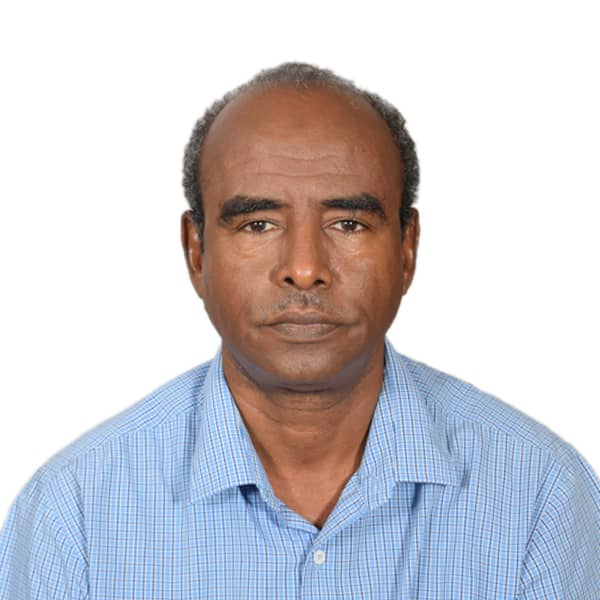
A personal journey through memory and geopolitics reveals why Africa’s last Kushite civilization faces eradication
By Abdelrahman Mohamed Zain (Magdi)
Special to The Citizen
The Buses That Carried Dreams
In the 1970s, the yellow Mercedes-Benz buses traversed Khartoum’s roads, carrying the dreams of an entire generation. We moved between Berri Primary School and the British Council library, from Hamtou’s sweet shop to debate open halls at the University of Khartoum. Little did we know we were living through Sudan’s golden days, before the storms of destruction began to gather.
Those buses didn’t just take us to schools, but to a new consciousness – though they couldn’t protect us from the coming storm.
The Prophecy Fulfilled
“They devour like locusts… and multiply like locusts… But the locusts strip the land and then move on…”
These words are from the Book of Zephaniah, quoted by Dr. Abdelwahab El-Affendi in his revolutionary 1982 article, is no longer just ancient religious text but a prophecy unfolding before our eyes. The biblical description of Assyria’s fall bears a terrifying resemblance to what’s happening today.
History repeats itself, but this time with more deadly and destructive tools.
Kush’s Sacred Treasures: Witnesses to Greatness
Jazira Slang: Kush’s Open-Air Museum
North of Omdurman lies Jazira Slang,where recent archaeological missions have revealed:
· Iron smelting furnaces dating back to the Kushite Kingdom
· Stone inscriptions showing expertise in engineering and astronomy
· Advanced irrigation systems centuries ahead of their time
Here, beneath every stone, lies a story of our ancestors’ glory.
Jebel Musa: The Eastern Fortress
In eastern Sudan,Jebel Musa stands witness to:
· Ancient trade routes connecting Africa to the Arab world
· Rock inscriptions from prehistoric civilizations
· Strategic defensive sites showing Kushite military planning genius
Every rock in Jebel Musa tells a story of resistance and perseverance.
Jebel Marra: The Beating Heart
In the heart of Darfur,Jebel Marra guards its secrets:
· Twelve eternal springs that never run dry
· Fertile soil and unique agricultural systems
· Rare ecological diversity combining plains and highlands
These springs didn’t just quench thirst, but nurtured an entire civilization.
Gum Arabic: The Sacred Secret of Life
Fruit of the Gods:
· Known in Jewish tradition as “the fruit that produces no waste”
· Those who eat it don’t defecate, urinate, or sweat
· Symbolizes absolute purity and immortality
The Stolen Secret:
· Ancient texts mention this fruit as food for kings and prophets
· Possesses unique healing properties found in no other plant
· Has become a hidden cause of conflict over Sudanese lands
The Hashab tree is no longer just a source of livelihood, but a tree at the center of conflict over the secrets of life and death.
The Heart of Kush: A Legacy That Refuses to Die
Professor Abu Salih was right: we are descendants of the Kingdom of Kush, heirs to one of Africa’s greatest civilizations. These sites – Slang, Jebel Musa, Jebel Marra – are not just places, but living testimonies to a greatness unknown to modern generations.
We carry a civilizational legacy that has become a crime in the eyes of new colonizers.
The Vicious Cycle: From Assyria to Israel to Sudan
What Dr. El-Affendi revealed four decades ago is happening now: the same imperial pattern repeats. Assyria fell, Israel follows the same path, and Sudan has become the next target. Names change but the logic remains the same: eradicate competing civilizations.
Empires come and go, but the lust for control remains eternal.
Why Such Ferocious Targeting?
Sudan represents everything coveters dream of:
· Strategic locations controlling ancient and modern trade routes
· Water wealth that never runs dry, like Jebel Marra’s springs
· The gum arabic tree representing the “secret of life” in ancient beliefs
· A civilizational legacy proving Africans built great civilizations
They hate us because our existence exposes their false superiority.
El Fasher: Modern-Day Nineveh
What’s happening in El Fasher isn’t a passing tribal war. It’s a chapter in a long series aiming to:
· Fragment the last strongholds of Kushite Very
· Erase the authentic African identity
· Control areas rich in natural resources and gum arabic trees
Cities fall, but the will of the people remains.
The Path to Renaissance: Reclaiming Our Memory
The solution begins with:
· Protecting our archaeological sites in Slang, Jebel Musa, and Jebel Marra
· Preserving the gum arabic tree as a sacred heritage
· Documenting traditional knowledge about springs and agriculture
· Transferring our ancestors’ consciousness to new generations
People who know their worth and appreciate their history cannot be erased.
Conclusion: From Jebel Marra’s Springs to the Fruit of Immortality
The twelve springs of Jebel Marra haven’t dried up over thousands of years, and the gum arabic tree still offers the secret of life as it has for millennia. We face a fateful choice: either become guardians of this great heritage, or witness its end.
The locusts will move on as they always have, water will keep flowing from Jebel Marra’s springs, and the Hashab tree will continue to offer the fruit of life, nurturing a new land pulsating with hope and immortality.
Final Word:
A people who built pyramids,carved trade routes through Jebel Musa, preserved water secrets in Jebel Marra, forged iron in Slang, and possessed the secret of the fruit of life – this people can build again.