
Sovereignty Council Member Nuwara Abu Mohammed: Sudan Can Become a Major Player in Maritime Transport
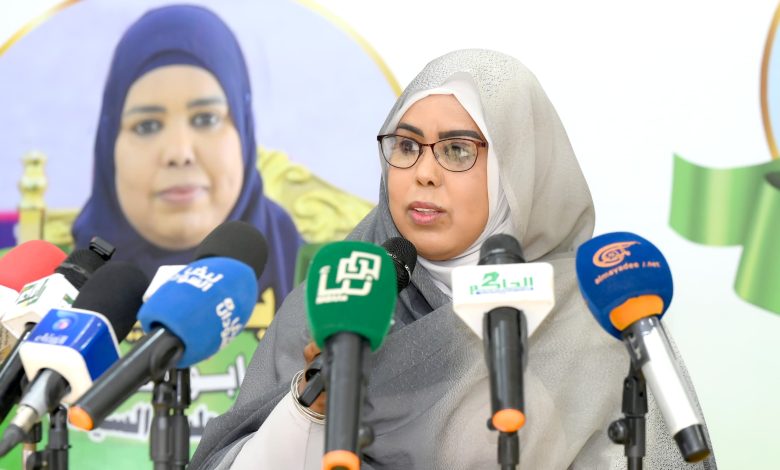
Port Sudan: Mohamed Babiker
Sovereignty Council Member Dr. Nuwara Abu Mohammed affirmed that the Sudan Coast is of great importance, enabling it to become a major player in maritime transport. She emphasized the importance of maritime transport in connecting peoples and highlighted the significant role maritime transport plays in the economy and achieving sustainable development.
Dr. Nuwara said during her address today, Tuesday, to the workshop on developing Sudanese maritime lines (the national maritime carrier), that this workshop comes at an important time given the importance of maritime transport. She indicated that the workshop represents the starting point for a strategic vision for developing the national maritime carrier. She recommended that the workshop emerge with a vision that restores the country’s leading role in global navigation and trade through the rehabilitation of maritime lines.
For his part, Minister of Infrastructure and Transport, Saif El Nasr Haroun, pointed out that the rehabilitation of the navy brings to mind what it was like in the past. He considered the maritime transport system a fundamental pillar of the national economy, given the long coastline.
He added, “Therefore, it is natural to own maritime lines because they were a symbol of national sovereignty and the economy.”
He continued, “We are now working to restore this.”
He pointed to the challenges faced in the past period, adding, “But today, we are moving on modern foundations that guarantee employment and quality of service.” He added, “Our vision is for Sudan to become a logistics center on the Red Sea.”
He added that this is achieved through partnerships with the local and international private sector, without compromising national sovereignty.
He affirmed that the navy reduces transportation costs and provides job opportunities for youth, and announced his support for the private sector for a transparent and clear partnership through which we can achieve the desired boom.
Haroun announced his commitment to following up on the implementation of the workshop recommendations and striving to develop this national maritime transport system.
He thanked Sovereignty Council member Dr. Nuwara and the workshop participants, and reiterated the government’s support for the maritime transport system so that the Sudanese flag can fly high at sea.
For his part, Omar Khalifa Ali, Director General of the Sudanese Shipping Lines, emphasized that the presence of a national carrier constitutes a strategic tool for ensuring the country’s sovereignty, enhancing its economic security, and reducing dependence on foreign companies, in addition to contributing to the provision of job opportunities for young people.
He revealed that the absence of the navy negatively impacted the country’s global trade, adding that this absence had a direct impact on the national economy. He added that the navy is one of the institutions that has been a blank slate since its establishment in 1962, and has continued to respond to the call of the Sudanese state and people to transport equipment and goods, in addition to transporting Sudanese during the Gulf War in the early nineties.
Khalifa pointed to the major economic roles it played in transporting Sudanese goods to the world.
He explained that the company inherited a qualified and advanced civil service system from Yugoslavia and that the company was one of the founders of the Arab Maritime Academy.
He added that the liquidation of the company in 2016 was a shock to its employees. He noted that the company was restored in 2021 and pledged to work on raising it despite the extremely complex circumstances and the presence of the private sector, which possesses large capital. He praised the role of the company’s qualified employees and explained that they are the spearhead in re-operating ships in all transportation sectors, especially since these sectors were dominated by the private sector, which affected the Sudanese people.
He announced the launch of the Navy to contribute to supporting the national economy by rehabilitating existing vessels and bringing in new ones.
He also pointed to efforts to establish partnerships with the local and international private sector without compromising the country’s sovereignty. He thanked the presenters of the scientific papers and their great efforts, explaining that the workshop’s recommendations will serve as a beacon and guide for the senior management to develop the shipping lines company.
He thanked Sovereignty Council member Dr. Nuwara Abu Mohammed for honoring the workshop and the Minister of Transport for sponsoring it.
Khalifa saluted the Armed Forces, the Joint Forces, and the mobilized forces as they water this good land with their pure blood and purify the country from the filth of rebellion.
He also offered his condolences to the late former Prime Minister Dr. Mohamed Taher Ela and noted the significant role he continued to play towards the citizens.