
Minister of Health: The ambulance is not just a vehicle but a package of services and medical staff to save lives
Port Sudan/The Citizen
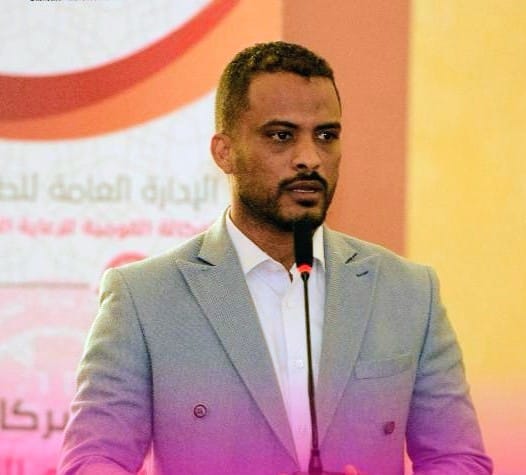
The Federal Minister of Health, Dr. Haitham Mohamed Ibrahim, stressed the importance of supporting the emergency care project and the National Ambulance to build a strong health system, pointing out that the ambulance is not just a vehicle, but a package of services, the most important of which is a specialized medical staff that referrals the patient to the appropriate hospital and rescues him.
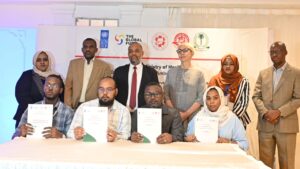
This came during addressing the workshop “Treating Cases within the Referral and Ambulance System”, organized by the National Agency for Emergency Care and Ambulance in cooperation with the United Nations Development Programme (UNDP) and the Global Fund, with the participation of therapeutic medicine and hospital directors from 11 states, on Monday at the Marina Hotel.
Dr. Haitham explained that the establishment of the National Agency for Emergency Care and Ambulance was carried out in difficult circumstances, with the aim of restoring ambulance services in the states, stressing the need to think about a law, regulations and an independent budget for the agency, in addition to providing a supply package for the project.
The Director of the National Agency for Emergency Care and Ambulance, Dr. Mohieddin Hassan, said that the National Ambulance Project contributes to the equitable distribution of medical services through the deployment of ambulances in various regions, as more than 146 ambulances were distributed after the last distribution in 2016, which included 400 equipped ambulances. He pointed out that the agency is in the process of digitizing the tracking system of working ambulances, adding that the project needs sustainable funding to cover all areas and reduce the mortality rate to less than 50% in the country.
The Director of National Ambulance, Dr. Tasneem Al-Fadel, said that the workshop aimed to disseminate operational standards to improve the treatment of emergency cases and ambulance transport, and to learn about successful experiences in emergency care services and the exchange of experiences between states.
UNDP Deputy Resident Representative in Sudan, Saari Bozerkova, said UNDP continues to support the activities of emergency care services and national ambulance, and invests in developing the capacities of health workers.