
Approval of the National Search and Rescue Plan in Sudan
Port Sudan /The Citizen
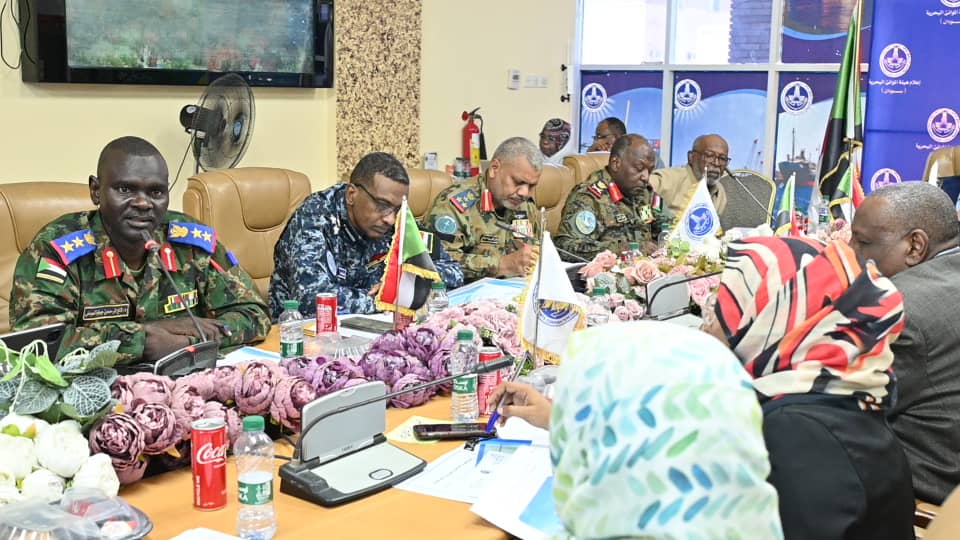
The meeting hall of the Presidency of the Sea Ports Authority in Port Sudan witnessed the signing of the national plan for search and rescue in Sudan by the Civil Aviation Authority and the relevant authorities and sectors during the first extraordinary meeting.
The meeting comes within the framework of the state’s efforts to meet national needs and fulfill international obligations in the fields of air, sea, and land search and rescue, where the attendees discussed the draft national plan and its implementation mechanisms, in addition to internal agreements with local and external partners, including the GCC countries.
The National Committee for Search and Rescue was formed by virtue of a decision issued by the Chairman of the Transitional Sovereign Council, chaired by the Director General of the Civil Aviation Authority, and with the membership of representatives of the following bodies: Sudan Airports Company Ltd.
the Search and Rescue Department, the Air Navigation Department, the Ministry of Defence, the General Staff Authority, the Air Force, the General Intelligence Service, the Ministry of Interior, the Federal Ministry of Health (member and rapporteur), the Sea Ports Authority, national and foreign airlines, and the Air Transport Chamber.
In a press statement after the meeting, Dr. Roaa Abdel Salam Mohamed, representative of the Federal Ministry of Health, affirmed the Ministry’s full support for the committee, noting that two ambulances were handed over to Khartoum International Airport, as part of responding to the needs of its recent opening.
Dr. Roaa considered that the integration of ministries and security and civil authorities within the committee constitutes “a golden opportunity to coordinate emergency care efforts and national ambulance”, explaining that two bilateral agreements were signed between the Civil Aviation Authority on the one hand, and the Federal Ministry of Health and Central Ambulance on the other.
This step comes within the framework of strengthening field coordination between air response and health preparedness, and ensuring effective medical support in search and rescue operations, as part of the ongoing efforts to raise the efficiency of the national response.