
Feel It: Children Not Soldiers
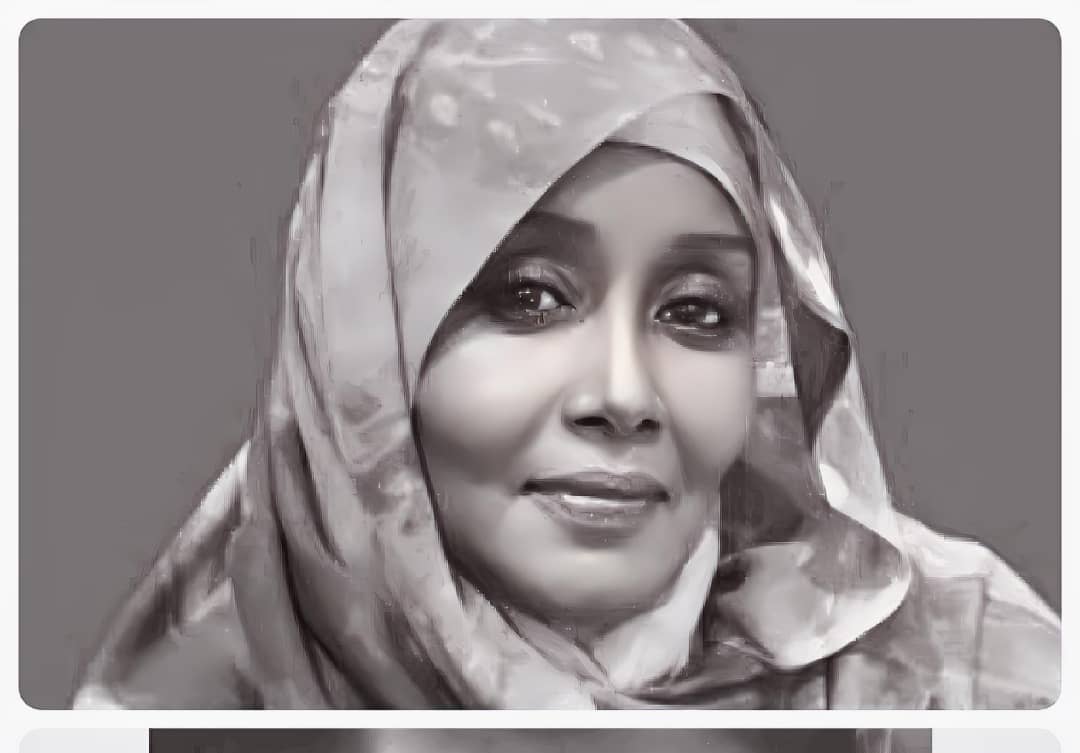
Haffiya Elyas
hafielyas@yahoo.com
The handover of 66 children recently by the intelligence of the Third Infantry Division in Shendi, River Nile State, in coordination with the National Council for Child Welfare (NCCW), was conducted by the Rapid Support Militia during the war. In addition, five other children were handed over by the artillery corps in Atbara to their families , the ideal model was embodied in moral and humanitarian treatment, especially when compared to the practices of the Rapid Support Militia, which committed the most heinous violations against civilians and regular prisoners. The children handed over to their families are healthy.
A child soldier is someone under 18 who is appointed, accepted into, or forced to join any military or paramilitary force, according to Sudan’s Children’s Act of 2010, Article 43, which prohibits the “recruitment, appointment, or employment of children in the armed forces or in armed groups or employment thereof to participate in war actions.”
The first clause of Article 4 of the Optional Protocol to the Convention on the Rights of the Child stipulates: “Armed groups that are distinct from the armed forces of a State should not, under any circumstances, recruit or use in hostilities persons under the age of 18 years.” However, “the RSF militias have run roughshod over these laws and agreements.”
Since the war broke out, the RSF has started recruiting children in camps in the eastern Nile neighborhood of Bahri city and in southern Omdurman, before the recruitment extended to areas in western Sudan.The Sudanese Criminal Code prohibits the recruitment of children, as does the Act of the National Council for Child Welfare and the Child Law.
According to Dr. Ikhlas Abbas Mohamed, the Director of the Psychological Counseling and Safety Unit in educational institutions at the Ministry of Education, “Children are used to drive combat vehicles, with no consideration for their psychological state, which deteriorates with this behavior.” and it impacts negatively on the personality of the child. There are psychological and social ramifications for child recruits, such as fear, feeling unsafe, anxiety, depression, recklessness, impulsive decision-making, hyperactivity, frustration, low self-esteem, and an inability to socially adapt.
We should promote the well-being of affected children, advocate passionately and vocally for their rights, strive for their protection and empowerment, implement educational programs, and mobilize resources to advance children’s rights and drive policy changes.