
The Annual Planning Evaluation Meeting of Malaria Control Programme Launches. The Citizen /Haffiya Elyas The annual review and evaluation meeting for the National Malaria Control Program for the year 2024 has been officially inaugurated in the city of Kassala. This crucial event is scheduled to continue until Thursday, January 16th, allowing participants to engage thoroughly in discussions and assessments. During the opening session of the meeting, Dr. Dalia Idris Hassan, who serves as the Director of the General Department of Basic Health Care at the Federal Ministry of Health, articulated the pressing issue of malaria as a continuing health burden within Sudan. She emphasized that the disease poses significant threats, particularly to vulnerable populations such as mothers and children under the age of five. In her address, Dr. Hassan highlighted that a substantial 40% of the total health resources allocated for the year 2024 have been directed towards one of the critical components of malaria control initiatives, particularly focusing on vector control strategies. She further underscored that the introduction of the malaria vaccine stands out as the most significant achievement within the past year, marking a pivotal advancement in the fight against this debilitating disease. The discussions during this meeting will likely shape future strategies for effective malaria mitigation in Sudan.
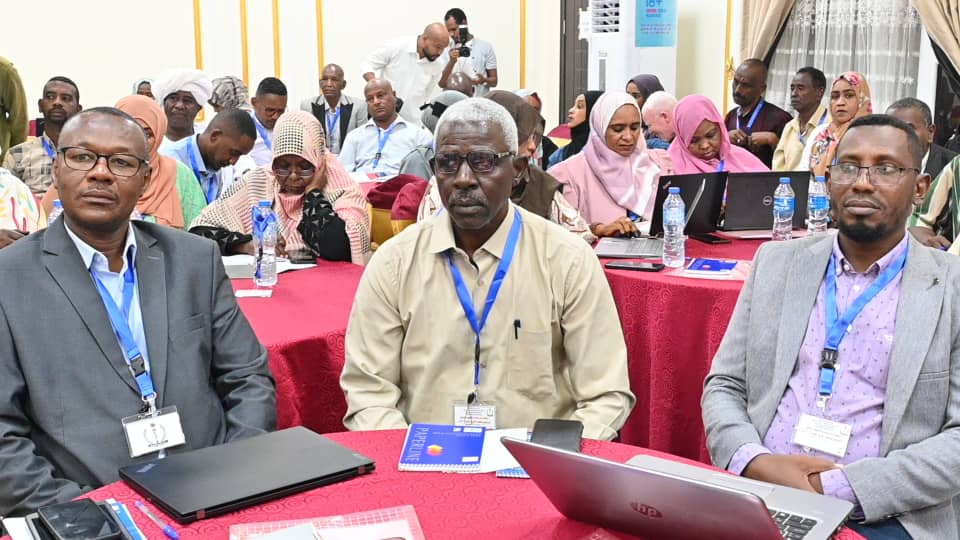
The Citizen /Haffiya Elyas
The annual review and evaluation meeting for the National Malaria Control Program for the year 2024 has been officially inaugurated in the city of Kassala. This crucial event is scheduled to continue until Thursday, January 16th, allowing participants to engage thoroughly in discussions and assessments. During the opening session of the meeting, Dr. Dalia Idris Hassan, who serves as the Director of the General Department of Basic Health Care at the Federal Ministry of Health, articulated the pressing issue of malaria as a continuing health burden within Sudan. She emphasized that the disease poses significant threats, particularly to vulnerable populations such as mothers and children under the age of five.
In her address, Dr. Hassan highlighted that a substantial 40% of the total health resources allocated for the year 2024 have been directed towards one of the critical components of malaria control initiatives, particularly focusing on vector control strategies. She further underscored that the introduction of the malaria vaccine stands out as the most significant achievement within the past year, marking a pivotal advancement in the fight against this debilitating disease. The discussions during this meeting will likely shape future strategies for effective malaria mitigation in Sudan.