
The Truth: The African Peace and Security Council understands the wishes of the Sudanese people
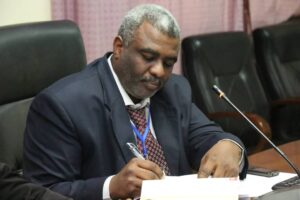
Ibrahim Shiglawi
Last week, we presented an optimistic reading in an article about the outcomes of the African Peace and Security Council’s visit to Sudan, titled *”Sudan is Close to Unfreezing its Membership in the African Union”*. We based this on several logical observations, including the clear discussion from the country’s leadership with the council’s delegation, highlighting that the African Union’s description of the events of October 25 was inaccurate and contradicted the facts. Moreover, the article pointed out the African Union’s and its organizations’ failure to support the Sudanese government in addressing the ongoing war in Sudan, alongside the weak positions the African Union has taken throughout the evolution of the war and its failure to condemn the violations committed by the militia against the Sudanese people, which has been met with widespread discontent from the Sudanese.
Many observers believe that the success of the delegation’s visit was largely based on their understanding of what happened in Sudan, independent of regional and international influences. Moreover, Sudan is a sovereign state with significant weight in the organization and is one of the founding members of the African Union. Therefore, it should receive considerable attention and play an active role in advancing the peace process and restoring security to the Sudanese through the African organization, which is relied upon to solve the continent’s problems, given its vast experiences.
Therefore, observers and Sudanese were not surprised when a statement was issued the day before yesterday by the Chairperson of the African Union’s Peace and Security Council, calling for the reopening of the African Union Liaison Office in Sudan. The statement also urged the Rapid Support Forces militia to lift the siege imposed on the city of El Fasher to ensure the safe and unhindered delivery of humanitarian aid.
The statement also contained important messages, including an emphasis on the need for communication between the African Union and the Sudanese authorities to hold discussions with Sudanese government representatives regarding the suspension of Sudan’s activities in the union. This suggests that Sudan is getting closer to having its membership in the African Union reinstated. Another significant point in the statement is a positive indicator that the council understands the background and reasons behind the war in Sudan, by accepting the proposals, according to the statement, submitted by the Chairman of the Transitional Sovereignty Council. These proposals include ending the war and establishing agreed-upon assembly areas. This is a clear reference to the roadmap prepared by the Sudanese government to implement the agreement signed in Jeddah on May 11 of last year, aimed at stopping the bloodshed and restoring security in Sudan.
Also noteworthy in the statement is the welcoming of the formation of a transitional government in Sudan led by civilians. Furthermore, the statement rejected any external interference in Sudan’s internal affairs, as this could prolong the conflict. These positive developments clearly show that Sudanese diplomacy has played an active role in recent times within the African Union and other important circles, enabling Sudan to present its perspective clearly, alongside the positive outcomes of the African Peace and Security Council delegation’s visit to Sudan earlier this _*The Truth*_
*Ibrahim Shiglawi.*
*The African Peace and Security Council understands the wishes of the Sudanese people.*
Last week, we presented an optimistic reading in an article about the outcomes of the African Peace and Security Council’s visit to Sudan, titled *”Sudan is Close to Unfreezing its Membership in the African Union”*. We based this on several logical observations, including the clear discussion from the country’s leadership with the council’s delegation, highlighting that the African Union’s description of the events of October 25 was inaccurate and contradicted the facts. Moreover, the article pointed out the African Union’s and its organizations’ failure to support the Sudanese government in addressing the ongoing war in Sudan, alongside the weak positions the African Union has taken throughout the evolution of the war and its failure to condemn the violations committed by the militia against the Sudanese people, which has been met with widespread discontent from the Sudanese.
Many observers believe that the success of the delegation’s visit was largely based on their understanding of what happened in Sudan, independent of regional and international influences. Moreover, Sudan is a sovereign state with significant weight in the organization and is one of the founding members of the African Union. Therefore, it should receive considerable attention and play an active role in advancing the peace process and restoring security to the Sudanese through the African organization, which is relied upon to solve the continent’s problems, given its vast experiences.
Therefore, observers and Sudanese were not surprised when a statement was issued the day before yesterday by the Chairperson of the African Union’s Peace and Security Council, calling for the reopening of the African Union Liaison Office in Sudan. The statement also urged the Rapid Support Forces militia to lift the siege imposed on the city of El Fasher to ensure the safe and unhindered delivery of humanitarian aid.
The statement also contained important messages, including an emphasis on the need for communication between the African Union and the Sudanese authorities to hold discussions with Sudanese government representatives regarding the suspension of Sudan’s activities in the union. This suggests that Sudan is getting closer to having its membership in the African Union reinstated. Another significant point in the statement is a positive indicator that the council understands the background and reasons behind the war in Sudan, by accepting the proposals, according to the statement, submitted by the Chairman of the Transitional Sovereignty Council. These proposals include ending the war and establishing agreed-upon assembly areas. This is a clear reference to the roadmap prepared by the Sudanese government to implement the agreement signed in Jeddah on May 11 of last year, aimed at stopping the bloodshed and restoring security in Sudan.
Also noteworthy in the statement is the welcoming of the formation of a transitional government in Sudan led by civilians. Furthermore, the statement rejected any external interference in Sudan’s internal affairs, as this could prolong the conflict. These positive developments clearly show that Sudanese diplomacy has played an active role in recent times within the African Union and other important circles, enabling Sudan to present its perspective clearly, alongside the positive outcomes of the African Peace and Security Council delegation’s visit to Sudan earlier this month.
The Sudanese Foreign Ministry issued a statement yesterday welcoming the council’s statement and agreeing with all the priorities outlined, especially regarding the full implementation of the Jeddah Declaration, as mentioned in the Foreign Ministry’s statement. In my opinion, this is a positive step as it places the African Union and the African Peace and Security Council before their responsibilities concerning what is happening in Sudan. This is seen as a significant development, according to observers, that could accelerate the end of the war and bring peace and security in the near future.
Despite this cautious optimism from all Sudanese, they were surprised by the criticism from Bakri Al-Jack, the official spokesperson for the Civil Forces Coordination (Taqadum), who described the African Peace and Security Council’s statement as lacking neutrality and giving the armed forces an advantage in any upcoming political arrangements. Al-Jack expressed his concerns during an interview with *Sky News Arabia*, stating that the statement could affect the future of the political process in the country. In my opinion, Al-Jack’s remarks were misguided because the Jeddah Agreement did not include any reference to a political process, as it only addresses security arrangements and humanitarian efforts. Unless “Taqadum” fears that the implementation of the Jeddah Agreement would mark the end of the militia, and thus seeks to prevent the implementation to protect the militia from disbandment. As for the political process, it was agreed upon in the Cairo Conference of Civil Forces and the Addis Conference of Sudanese political parties to be a separate path, to be discussed in a meeting involving all Sudanese political parties without exception, inside Sudan.
These developments come amidst the advance of the Sudanese Armed Forces on all fronts and battlefields to crush the rebellion, whose days are now numbered. Nonetheless, the truth remains in the importance of welcoming these positive developments from the African Peace and Security Council and continuing joint efforts and coordination among all parties to expedite the transition from war to the next day, which the Sudanese aspire to for the sake of restoring peace and security.
Wishing you all well and health.
Wednesday, October 16, 2024.
Shglawi55@gmail.com
The Sudanese Foreign Ministry issued a statement yesterday welcoming the council’s statement and agreeing with all the priorities outlined, especially regarding the full implementation of the Jeddah Declaration, as mentioned in the Foreign Ministry’s statement. In my opinion, this is a positive step as it places the African Union and the African Peace and Security Council before their responsibilities concerning what is happening in Sudan. This is seen as a significant development, according to observers, that could accelerate the end of the war and bring peace and security in the near future.
Despite this cautious optimism from all Sudanese, they were surprised by the criticism from Bakri Al-Jack, the official spokesperson for the Civil Forces Coordination (Taqadum), who described the African Peace and Security Council’s statement as lacking neutrality and giving the armed forces an advantage in any upcoming political arrangements. Al-Jack expressed his concerns during an interview with *Sky News Arabia*, stating that the statement could affect the future of the political process in the country. In my opinion, Al-Jack’s remarks were misguided because the Jeddah Agreement did not include any reference to a political process, as it only addresses security arrangements and humanitarian efforts. Unless “Taqadum” fears that the implementation of the Jeddah Agreement would mark the end of the militia, and thus seeks to prevent the implementation to protect the militia from disbandment. As for the political process, it was agreed upon in the Cairo Conference of Civil Forces and the Addis Conference of Sudanese political parties to be a separate path, to be discussed in a meeting involving all Sudanese political parties without exception, inside Sudan.
These developments come amidst the advance of the Sudanese Armed Forces on all fronts and battlefields to crush the rebellion, whose days are now numbered. Nonetheless, the truth remains in the importance of welcoming these positive developments from the African Peace and Security Council and continuing joint efforts and coordination among all parties to expedite the transition from war to the next day, which the Sudanese aspire to for the sake of restoring peace and security.
Wishing you all well and health.
Wednesday, October 16, 2024.
Shglawi55@gmail.com