
Medical Alert; Monkeypox!
By: Alaa Babiker
Since the start of Khartoum war on the 15th of April 2023, the country is witnessing a state of deterioration in the provision of medical care and gradual sabotaging for the medical facilities. The capital was the main centre for good medical care in the entire country which was one of the mistakes that needs serious considerations after the end of this war. Health system in Sudan has never been attacked and weaken like this before and the ability to overcome new waves or outbreaks of diseases is becoming more difficult every day. The continuity of fighting and the instability of security prevents many doctors from performing their duty and hardens the medical situation in all regions.
We currently witness serious waves of fever – some referred to as Dengue Fever – in many places inside Khartoum. But recent rumours are talking about new cases of Mpox – previously called Monkey Pox – in some places at the western states. It is very difficult to validate this information at the critical instability of the area, as the Ministry of Health is the authorised entity to make confirmation and declaration of the presence of such cases.
In this article I would like to mention few information about the disease, its prevention and control, and the treatment available as provided by the World Health Organization. The likely of this disease to occur if high as of “On July 31, 2022, Sudan recorded the first confirmed case of monkeypox in West Darfur State, for a 16-year-old student. It was confirmed on Thursday at the National Public Health Laboratory STACK, and there were no other cases. Although smallpox was eradicated in 1980, monkeypox still appears periodically in some parts of Africa” SUNA reported.
“Mpox (previously known as monkeypox) is a rare disease caused by a virus. It leads to rashes and flu-like symptoms. Like the better-known virus that causes smallpox, it’s a member of the genus Orthopoxvirus. Mpox spreads through close contact with someone who’s infected” Cleveland Clinic reported.
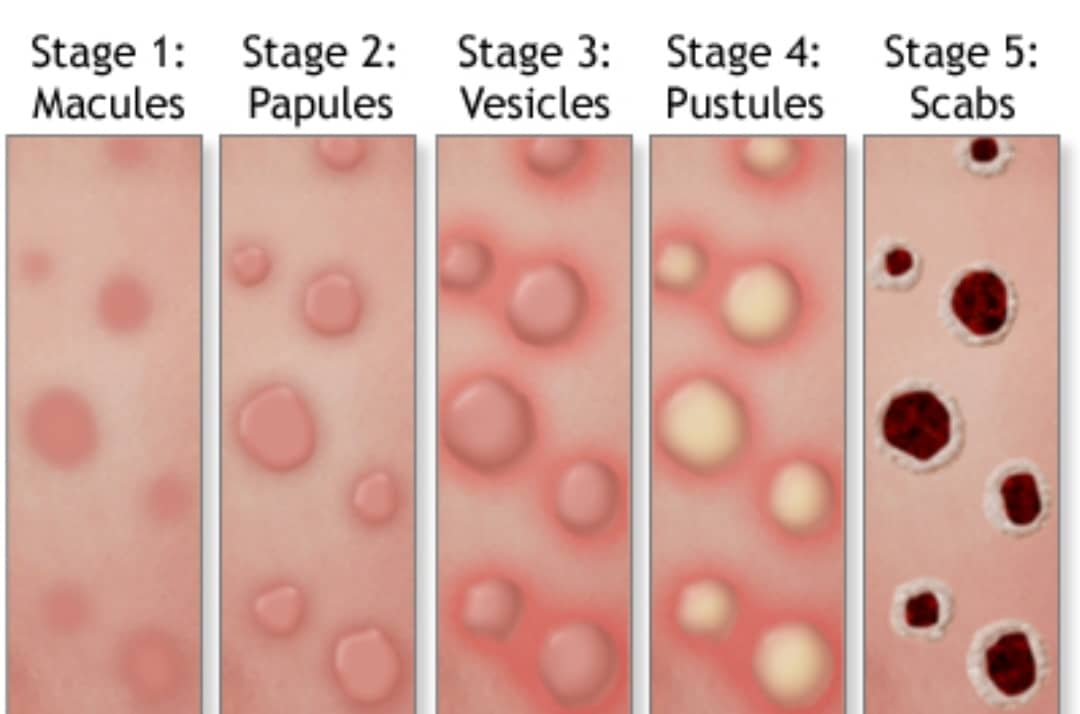
“Mpox causes signs and symptoms which usually begin within a week but can start 1–21 days after exposure. Symptoms typically last 2–4 weeks but may last longer in someone with a weakened immune system.
Common symptoms of mpox are:
• rash
• fever
• sore throat
• headache
• muscle aches
• back pain
• low energy
• swollen lymph nodes” WHO reported.
“The goal of treating mpox is to take care of the rash, manage pain and prevent complications. Early and supportive care is important to help manage symptoms and avoid further problems.
Getting an mpox vaccine can help prevent infection (pre-exposure prophylaxis). It is recommended for people at high-risk of getting mpox, especially during an outbreak” WHO reported.
It is a serious medical alert. The Ministry of Health should take extra actions about these waves of diseases, otherwise the Sudanese will not be suffering and dying of bullets and bombs, they will tragically be dying of illness and diseases!
May Allah grant wisdom and positive thinking upon our leaders to end this war, and give our Sudanese soldiers the strengths to rescue and unite the country again.