
The Complexities Behind a Sudanese Smile
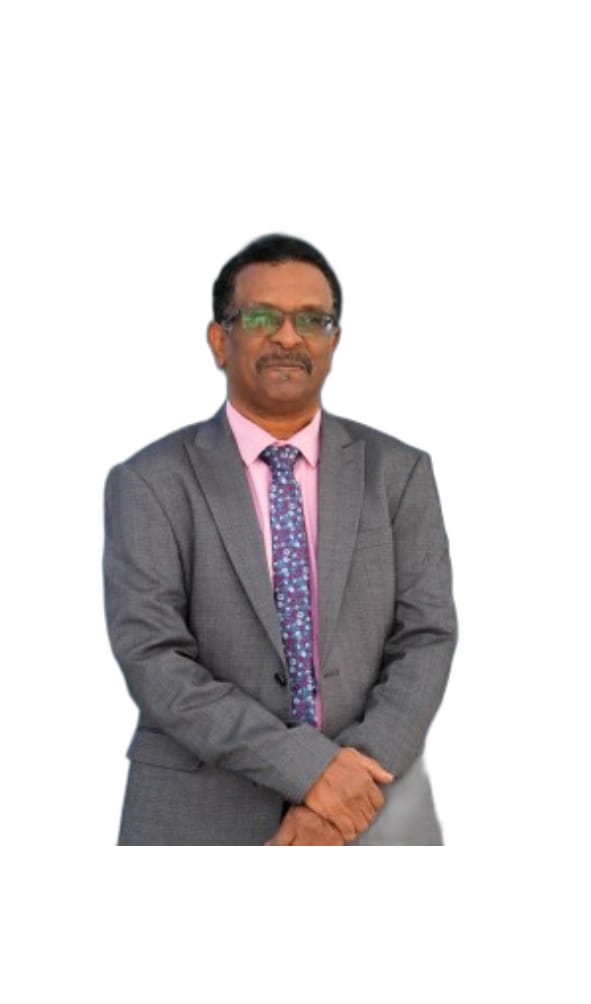
Dr. Elsir Ali Saad Mohamed
A few days ago, Khaled Badawi, Training Specialist at Gaia Training and Consulting, posted a quite interesting observation on LinkedIn that most Sudanese at home and globally are not into smiling in photos. He says he believes it feels deeply entrenched in the Sudanese culture, customs, and even the general broader socio-economic conditions which have helped shape the collective psyche of the country.
Mr. Badawi goes ahead to dwell on the benefits of smiling, more so in a professional perspective, by insisting that it does increase one’s chances of getting a job tremendously. He supports this by referencing several studies indicating that smiling greatly influences first impressions, conveys confidence, and relieves stress during job interviews. Undoubtedly, in most cases, a smile can be such a powerful weapon in the enhancing of perceptions of warmth, competence, and reliability.
However, there is a risk that, however well-intentioned Mr. Badawi is, he oversimplifies an already very complex association between cultural expression and more general socio-political realities. The notion that the Sudanese smile less because of purely cultural factors fails to take all the deep historical and contemporary challenges the nation has faced that no doubt shaped the peoples’ expressions.
Modern Sudan’s history is tainted by decades of war, economic deprivation, and social dislocation—processes that have an impact on the manner in which people perform identity in public and private spaces alike. Consequently, the absence of a smile in a photograph may not simply be cultural artifact but reflect collective resilience born of survival, endurance, and often despair.
Similarly, it follows that such an idea may be conversely deinterpreted: smiling less either because of the changes in course of behavior or because the Sudanese, who have moved to colder climates, smile less. Migration—especially from countries like Sudan into colder, often more economically developed countries—has its own problems with regard to cultural isolation, identity struggles, and burdens of adjustment. In such circumstances, a lack of smiles may not be due to the simple adaptation of cultural behaviors but from these underlying changes in emotion and psyche.
One will also have to take cognizance of the fact that cultural expressions are not monolithic. Sudan is a country comprising different ethnic groups, traditions, and social practices. What might be conceived of as an expression common to all people in one region might not apply for another. In addition, cultural expressions, just like many other aspects of culture, are evolving constantly in today’s globalized world. Younger generations of Sudanese at home and abroad are, of course far more exposed to the presence and expectations of different cultural norms then they ever were and are not as likely always to be so careful of traditional forms of expression—or lack of them—like the smile.
This leads to a broader point: that while smiling can be a benefit in professional and social scenarios, the pressure to adhere to such norms must come with cultural sensitivity. An individual should not be required to hold every standard of smiling or the lack of it, just when it does not accurately portray their experiences.
In summary, although Mr. Badawi posted a blog on how to unlock the power of a smile in the professional theatre, culture, history, and socio-politics must not be neglected. Encouragement for the Sudanese or anybody, at that, to smile more on pictures or professional contexts needs to consider the deeper aspects entailed in their experiences. After all, a smile is much more than simply a facial expression; it is expressive of a person’s inner world, conditioned by a thousand different factors that demand respect and comprehension.